
In September 2026, Loudoun Roofing repaired a roof leak on a home in Leesburg, Loudoun County, Virginia. The leak came from failed flashing where the roof meets the wall. The crew rebuilt that area and tied it back in with GAF shingles in Weathered Wood.
Project at a glance
- Location: Leesburg, Loudoun County, Virginia
- Project: Roof leak repair
- Problem: Leak at the flashing where the roof meets the wall
- Shingles: GAF shingles in Weathered Wood
- Project duration: 1 day (September 8, 2026)
- Completed: September 2026
- Quote: Done as quoted. Rotted plywood or beams are extra, and only when needed. “Never any hidden fees.”
- Contractor: Loudoun Roofing HIC
About Leesburg
Leesburg is the county seat of Loudoun County, with a historic downtown and neighborhoods that range from older brick homes near the town center to newer subdivisions on the edges of town. Learn more from the Town of Leesburg.
The challenge and how we solved it
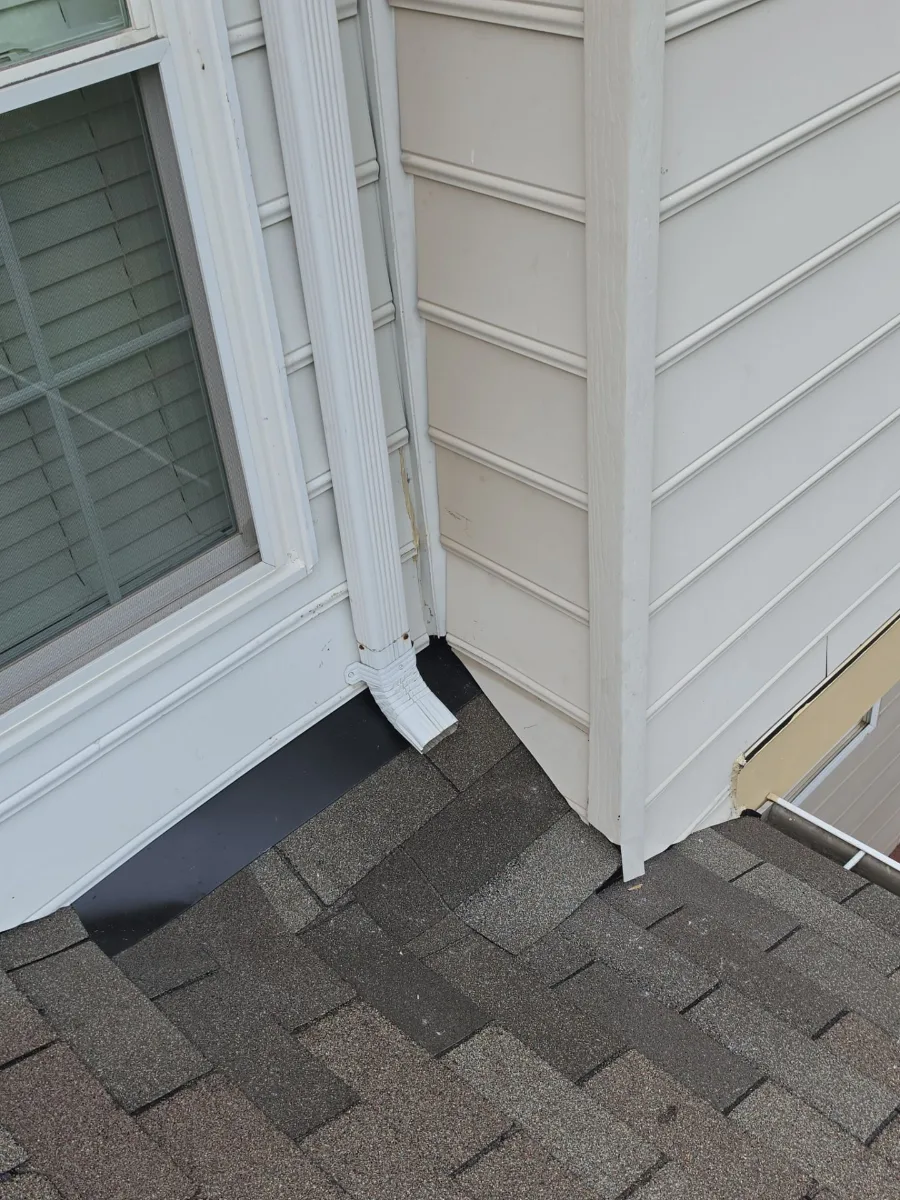
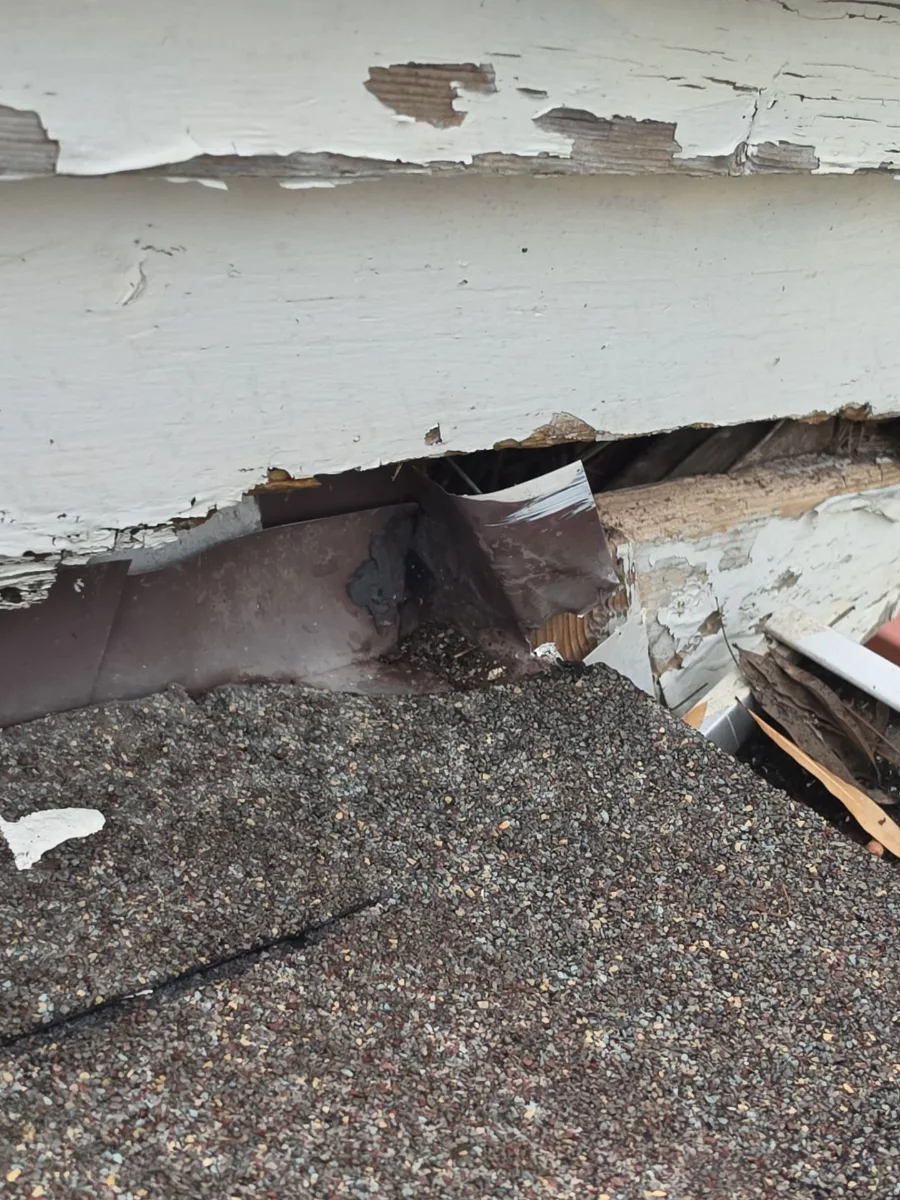
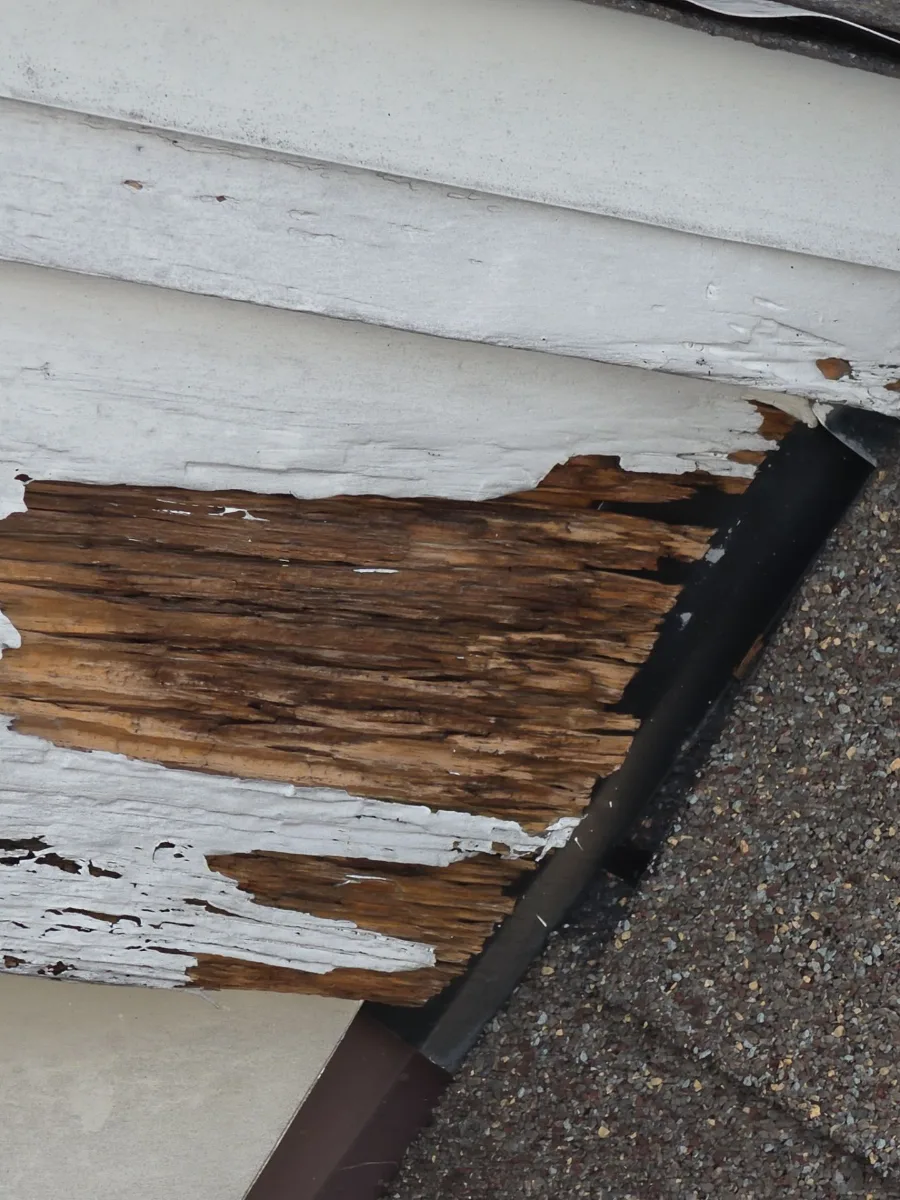
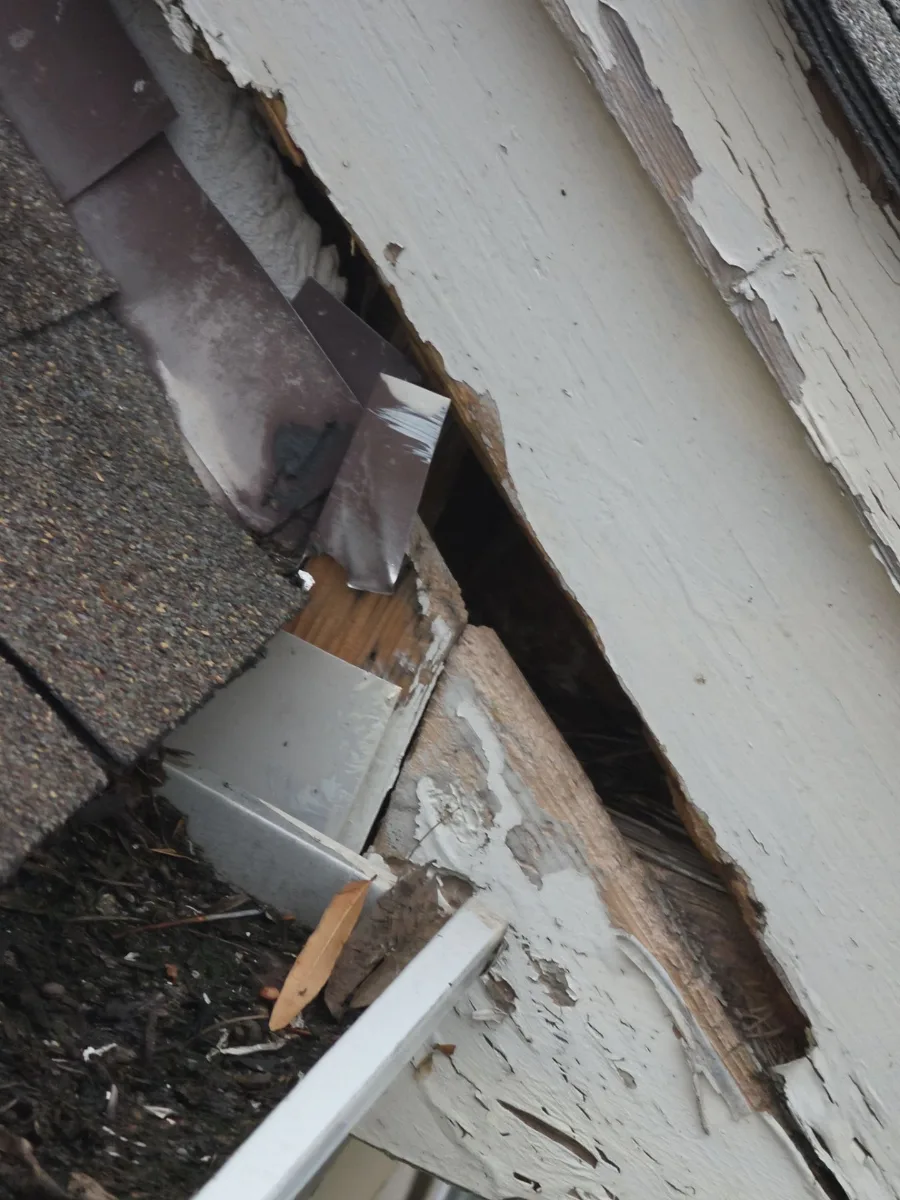
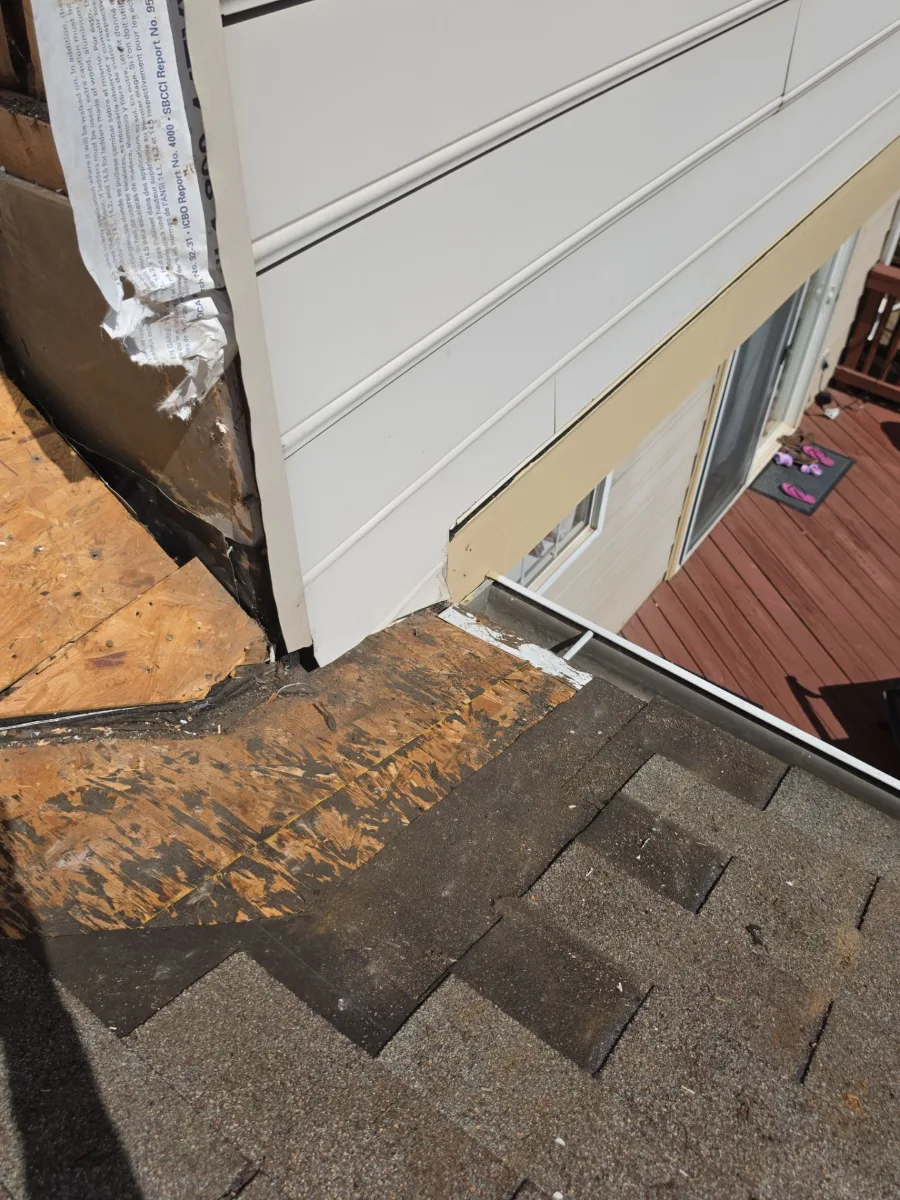
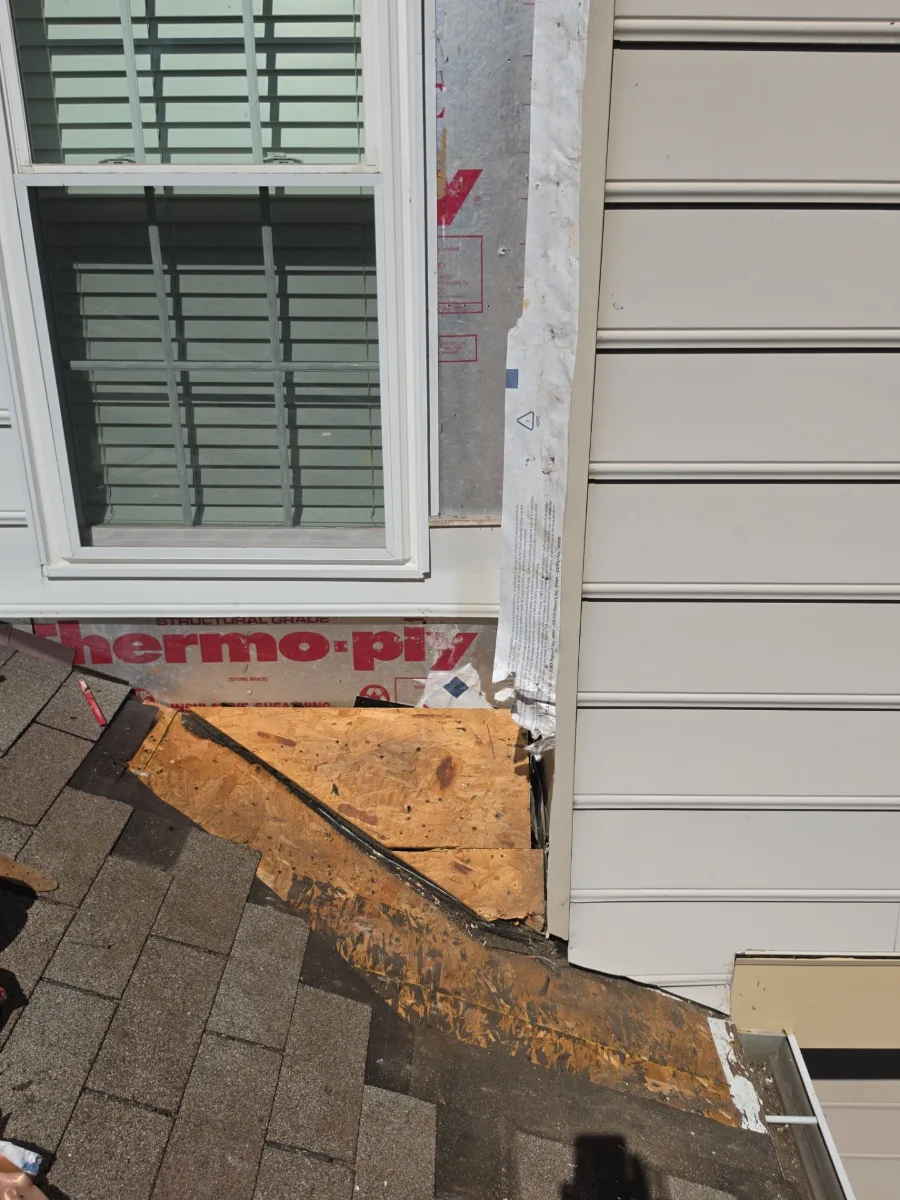
Where a roof runs into a wall, metal flashing is what keeps water from getting behind the siding. On this home, the flashing along the wall had failed. Water was getting in at that line, and the trim along the wall had started to rot.
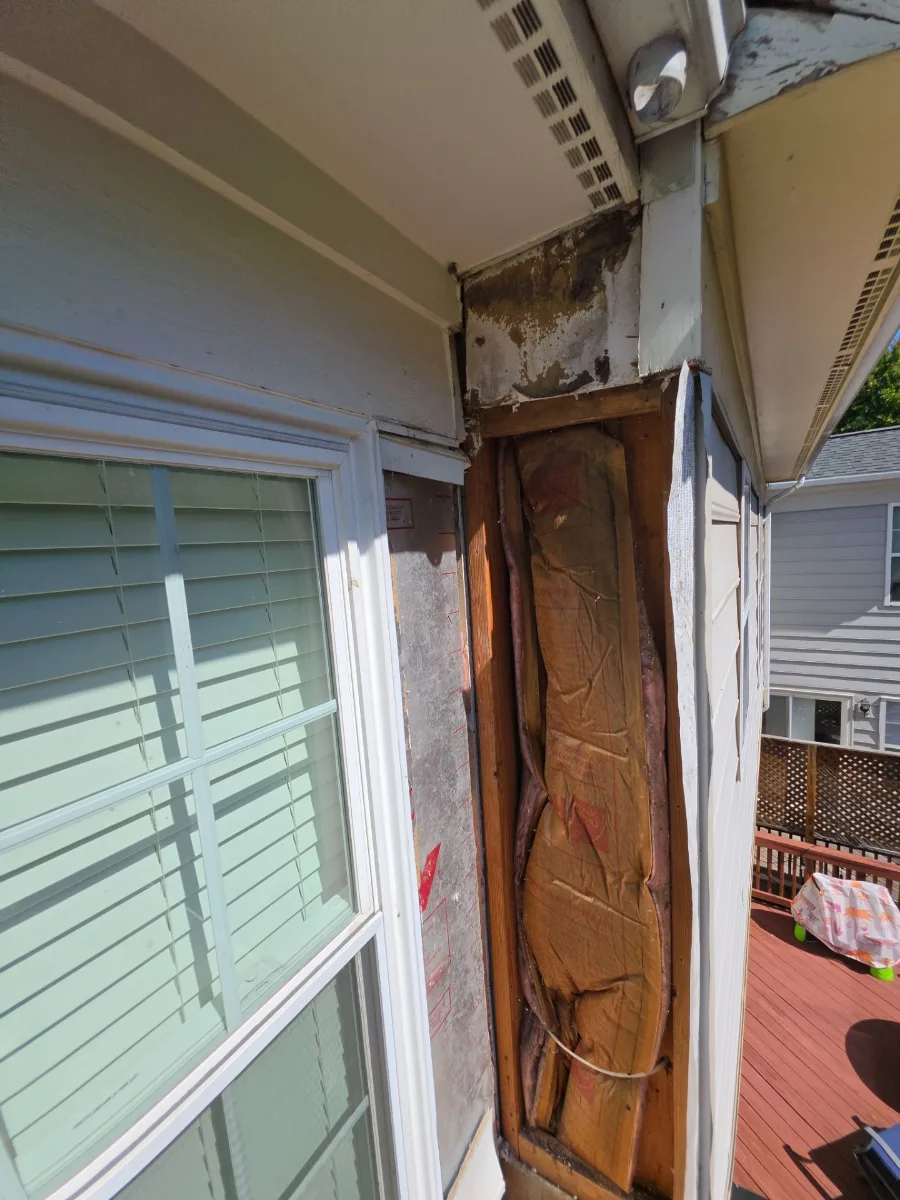
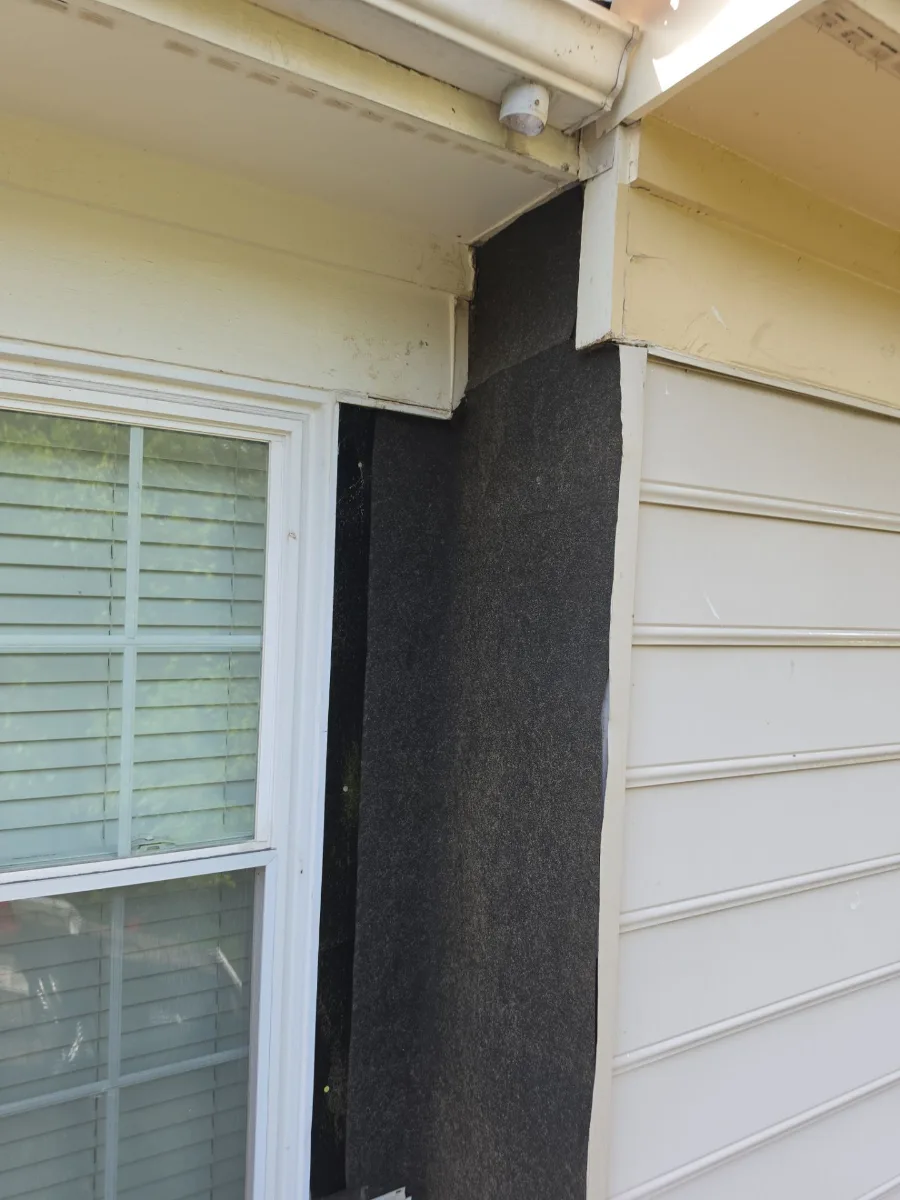
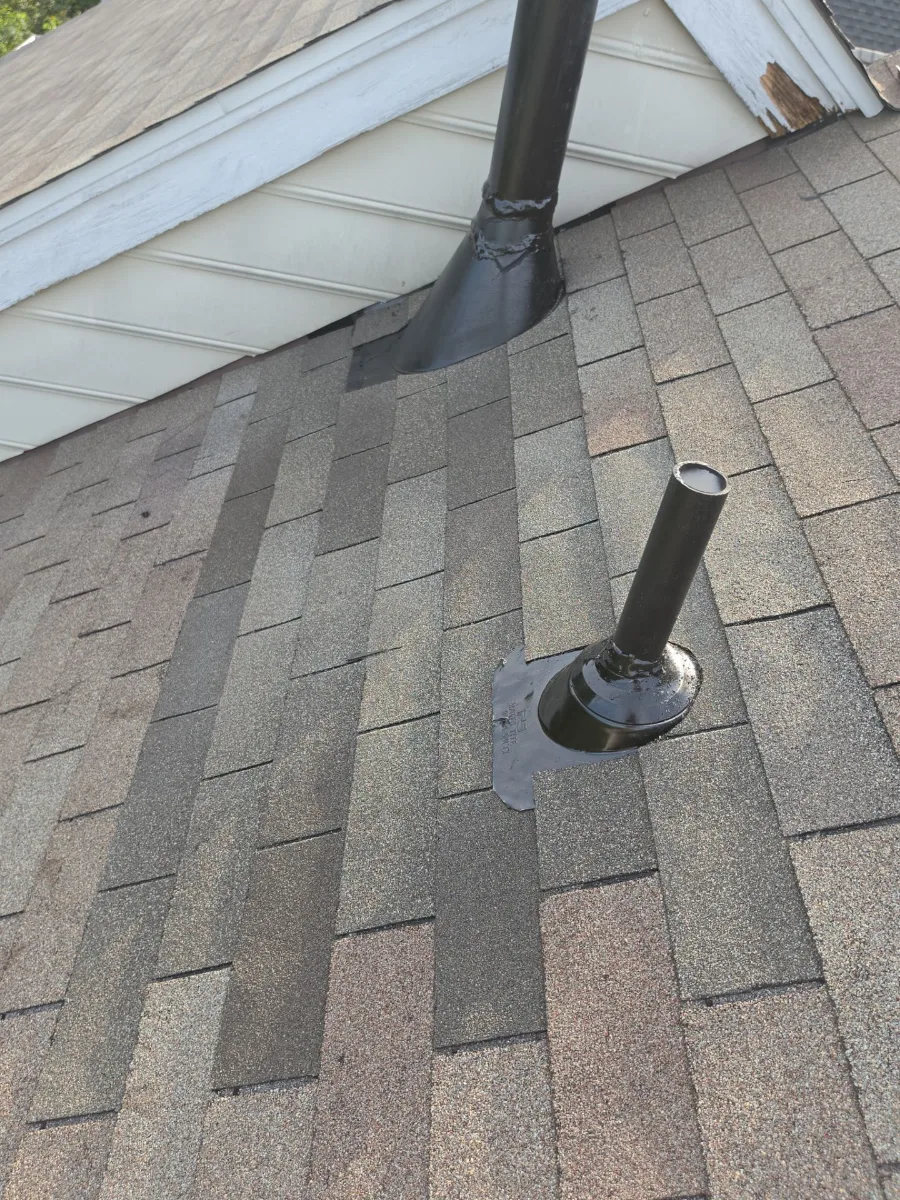
A leak like this doesn’t need a new roof, but it does need more than caulk. The crew opened the wall, cut out the damaged wood, replaced the rotted decking along the wall, flashed the area properly and closed it back up. The new shingles are GAF in Weathered Wood, worked into the existing roof.
Before
What we did
- Inspected the roof and found the failed flashing where the roof meets the wall.
- Removed the siding and trim along the leaking wall.
- Removed the shingles along the wall and replaced the rotted decking.
- Installed underlayment and new flashing along the wall.
- Wrapped the wall and closed it back up with siding and trim.
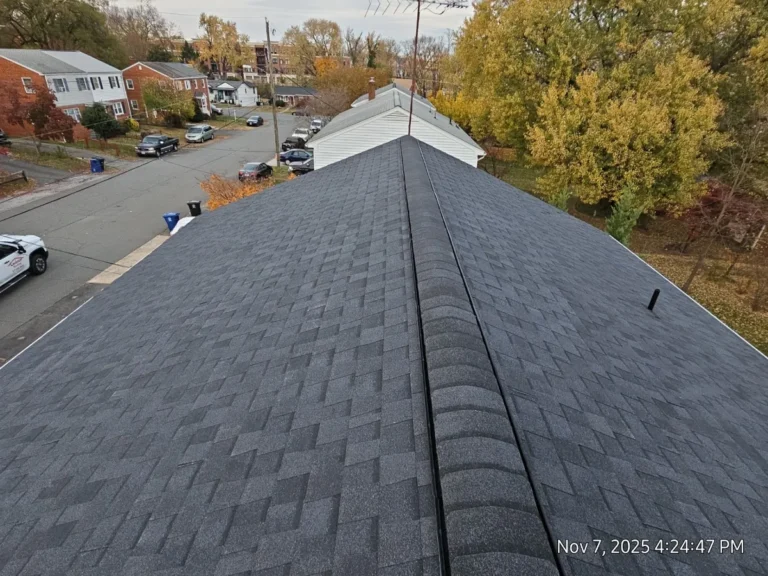
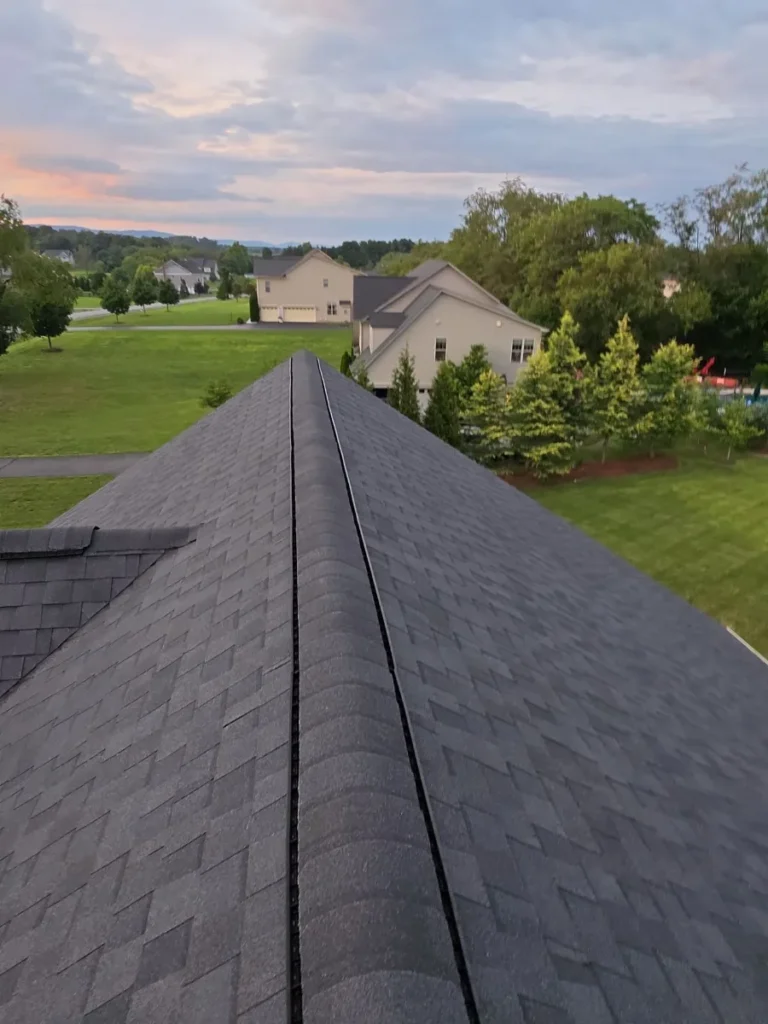
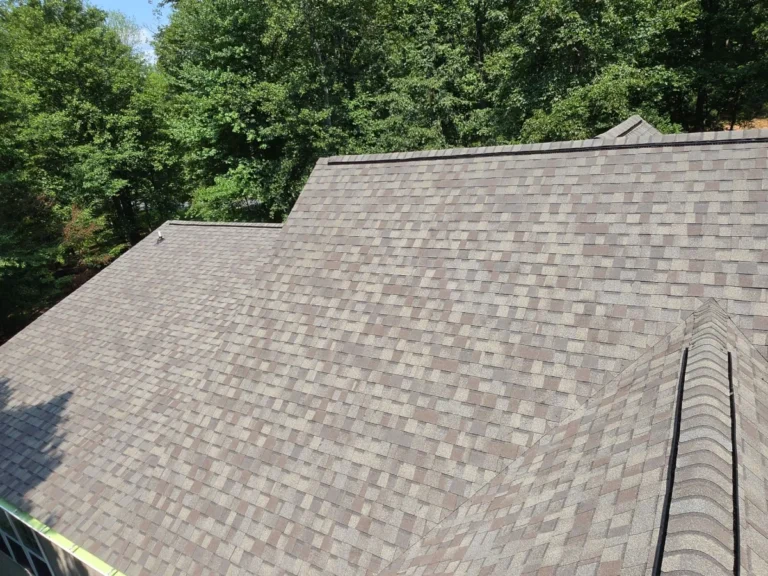
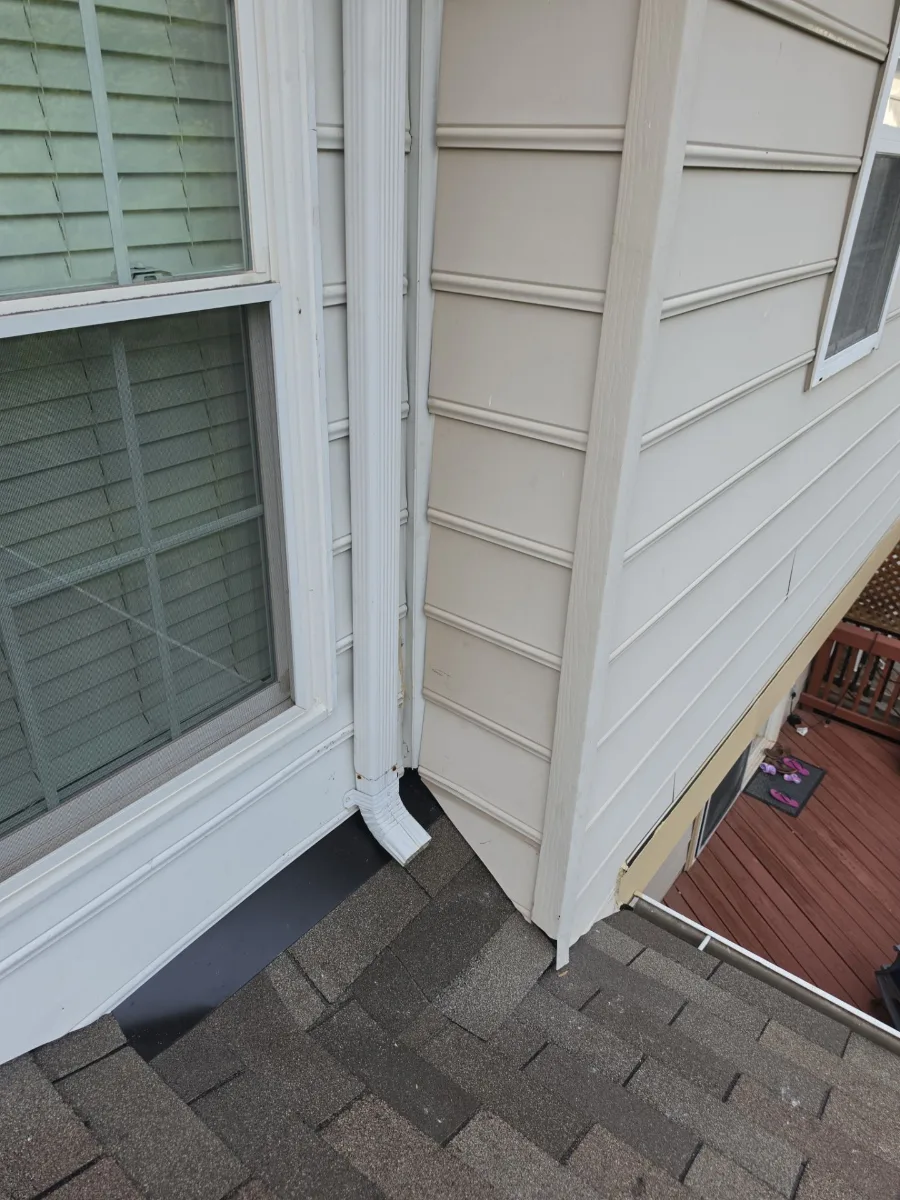
- Installed GAF shingles in Weathered Wood, worked into the existing roof.
- Cleaned up and checked the finished repair.
The finished project
About the shingles
The repair used GAF shingles in Weathered Wood. Weathered Wood is one of GAF’s shingle colors, a blend of browns and grays. See our asphalt shingle roofs page for more on the shingles we install.
Keeping your roof in good shape
- Check your attic a couple of times a year for water stains, and keep attic vents clear so moisture can escape.
- Look for brown stains on ceilings or a musty attic smell. Both can mean slow leaks long before shingles fail.
- Clean your gutters after the fall leaf drop and again in spring. Clogged gutters push water back under the edge of the roof.
- After strong storms or wind warnings from the National Weather Service Baltimore/Washington office in Sterling, look over your roof from the ground for missing or lifted shingles.
- Keep tree limbs trimmed back from the roof so branches don’t scrape shingles or drop debris into valleys.
Frequently asked questions
The roof-to-wall line depends on flashing to steer water away from the wall. When that flashing is missing, loose or installed wrong, water runs behind the siding and into the roof decking.
Often, yes. If the rest of the roof is in good shape, the area along the wall can be opened, any rotted wood replaced, the flashing redone and the shingles tied back in.
A repair uses the closest match available. New shingles can look a little different at first, and the difference usually fades as they weather.
Most repairs like this take about a day. More rotted wood behind the wall can add time.
Planning a roof project in Leesburg?
Planning a roof project in Leesburg? See our Leesburg roofing page, learn about roof replacement and roof repair, browse more completed projects, or contact us for a free estimate.