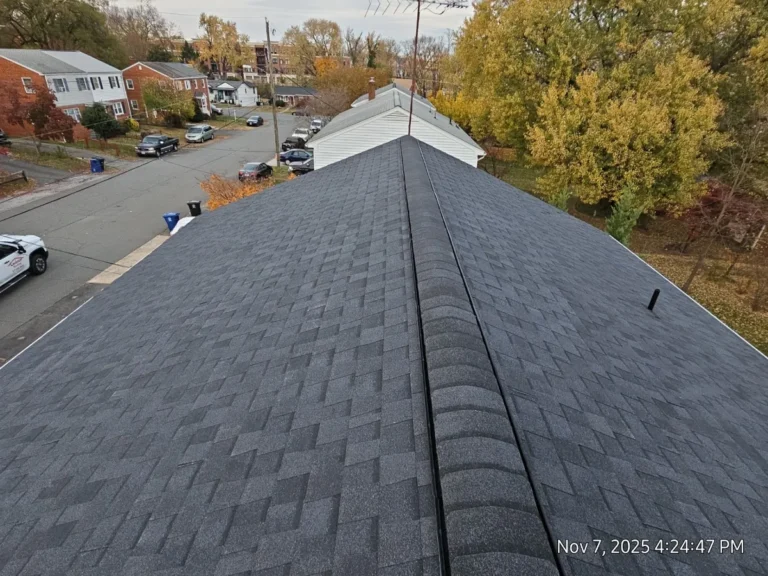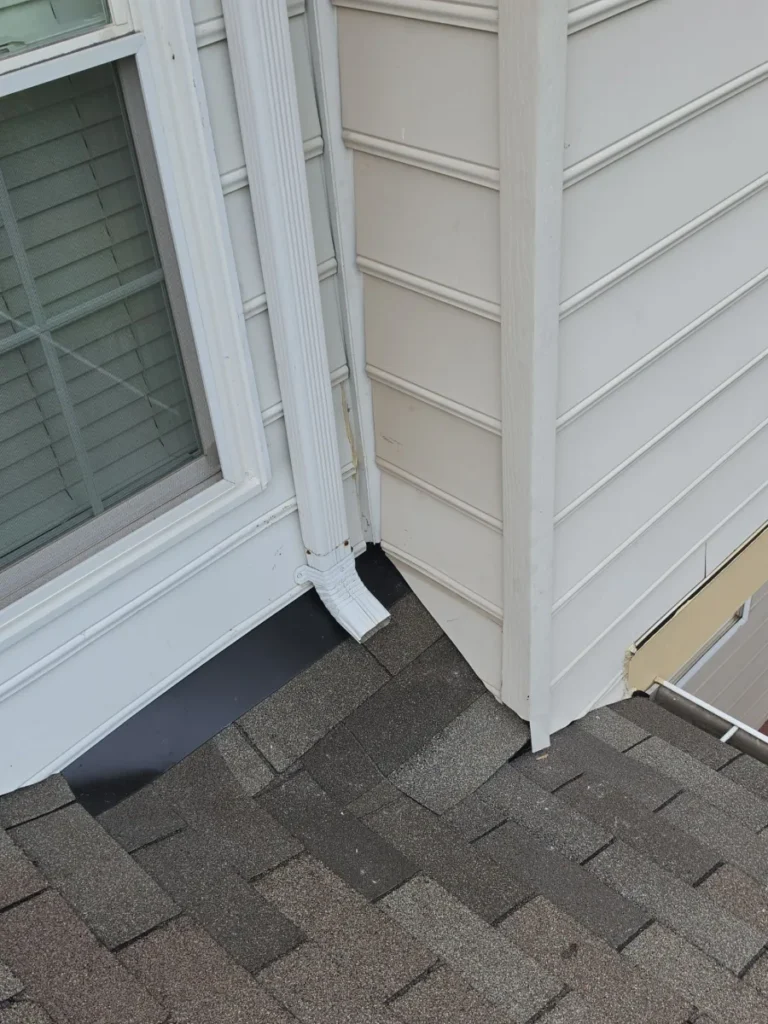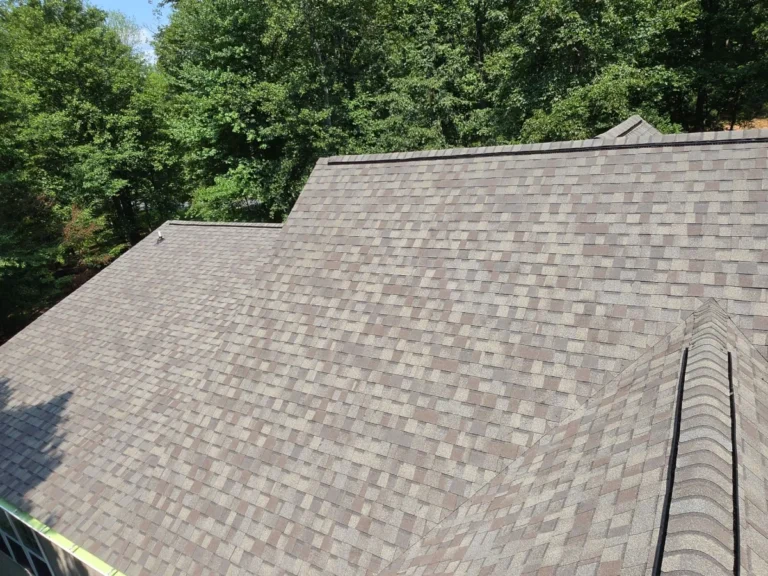

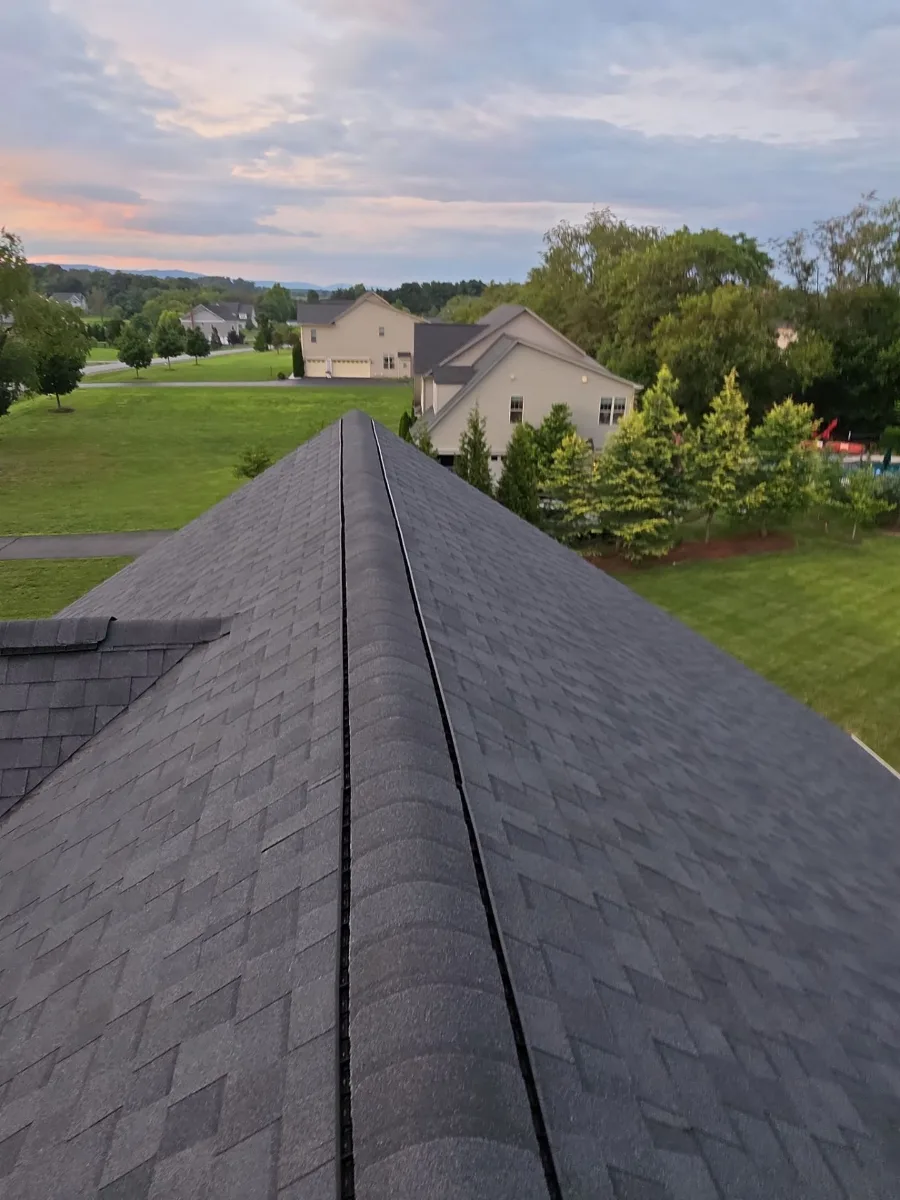
In July 2026, Loudoun Roofing replaced the roof on a home in Hamilton, Loudoun County, Virginia, about two months after the new owner moved in. His home inspection had called the roof satisfactory. Under the shingles, the crew found 17 sheets of rotted plywood, missing flashing and leaks at the ridge vent.
Project at a glance
- Location: Hamilton, Loudoun County, Virginia
- Project: Full roof replacement
- Why he called: One broken shingle at the roof overhang, the only roof item his home inspector flagged
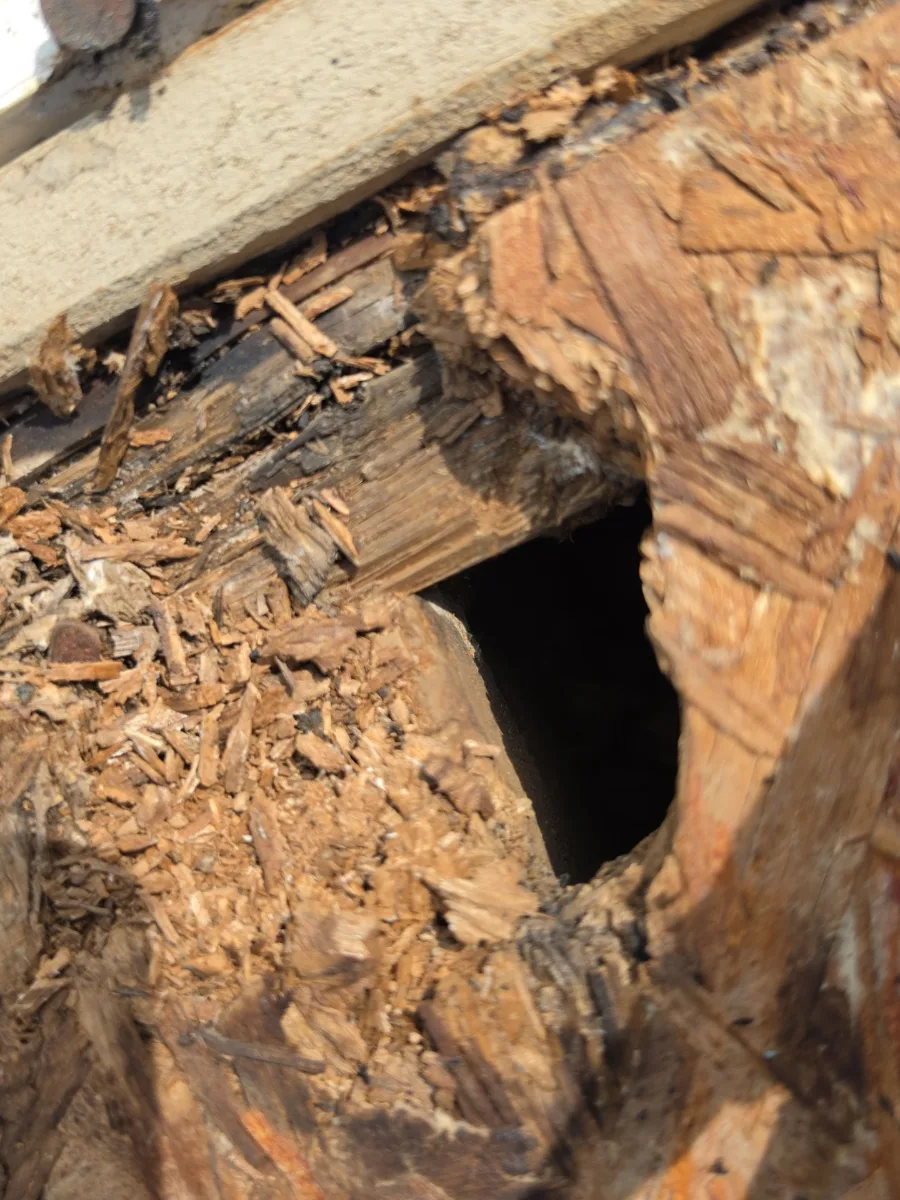
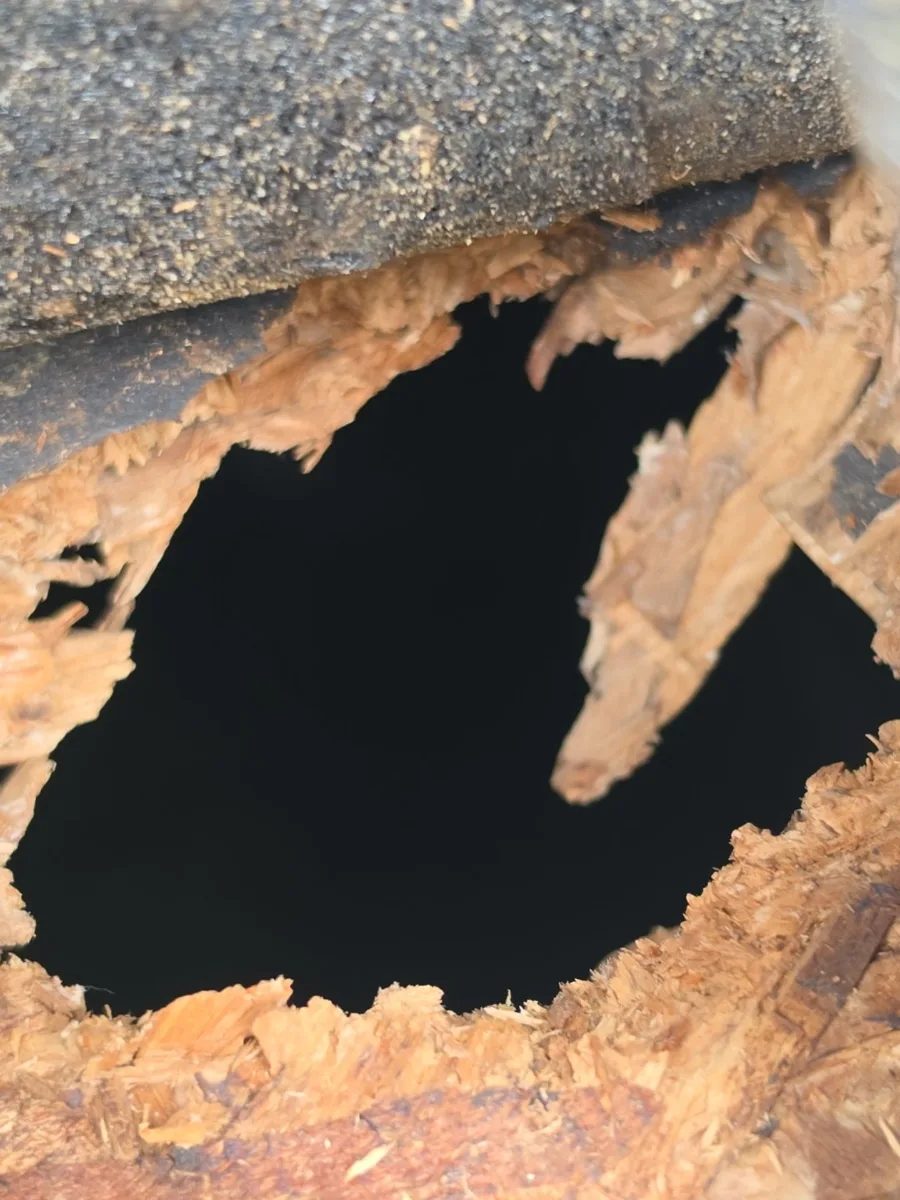
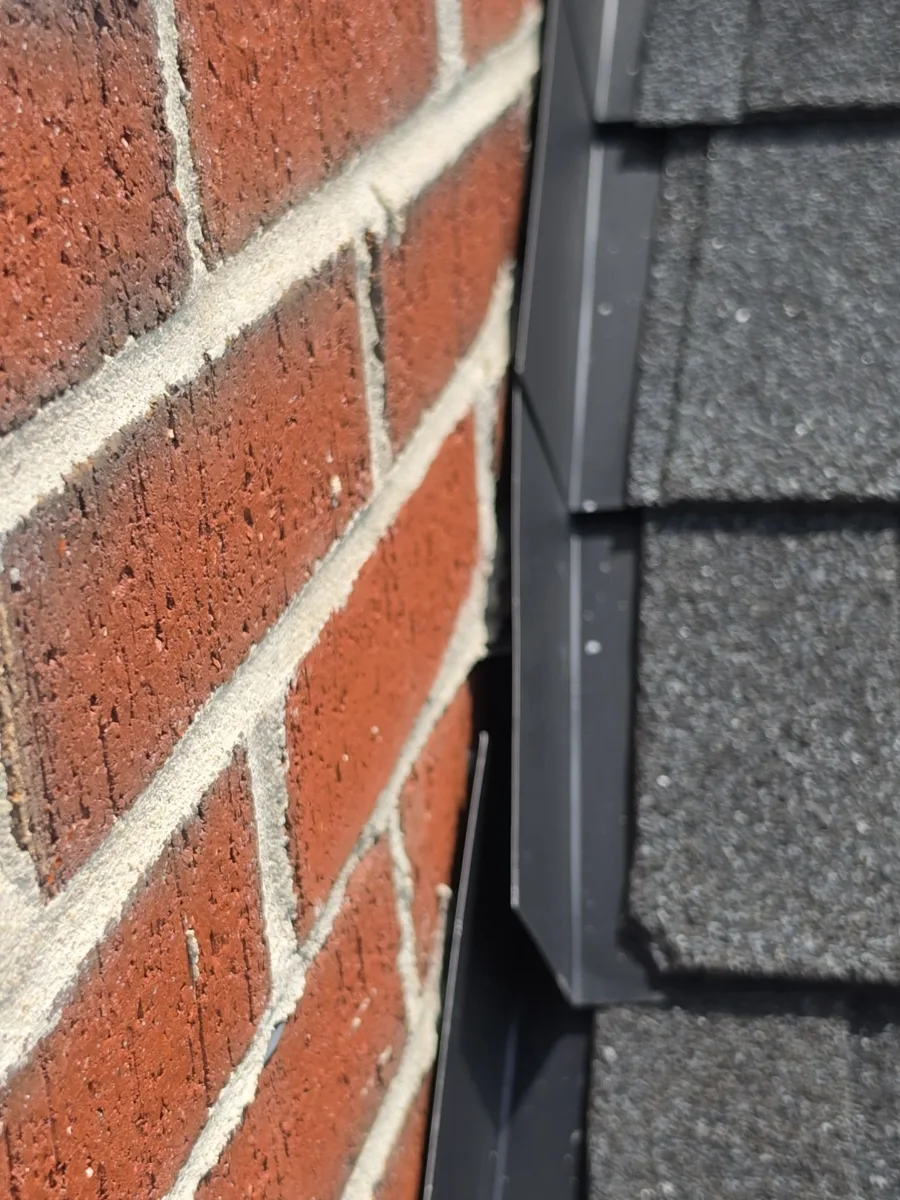
- What we found: 17 sheets of rotted plywood, no counter flashing, missing step flashing at the corners, leaks at the ridge vent, exposed nails and failed plastic pipe boots
- Shingles: CertainTeed Landmark series
- Project duration: July 27–30, 2026, from tear-off to finished roof
- Completed: July 2026
- Quote: Done as quoted. Rotted plywood or beams are extra, and only when needed. “Never any hidden fees.”
- Contractor: Loudoun Roofing HIC
About Hamilton, Virginia
Hamilton is a small town in western Loudoun County. The Town of Hamilton is home to the Hamilton Masonic Lodge, an 1873 Italianate building on South Rogers Street that is listed on the National Register of Historic Places.
The challenge and how we solved it
Jeff bought the home and called us about two months later about one broken shingle at the roof overhang. It was the only thing his home inspector said needed fixing. The inspection called the roof satisfactory, with about five more years left.
When the crew looked closer, they found much more:
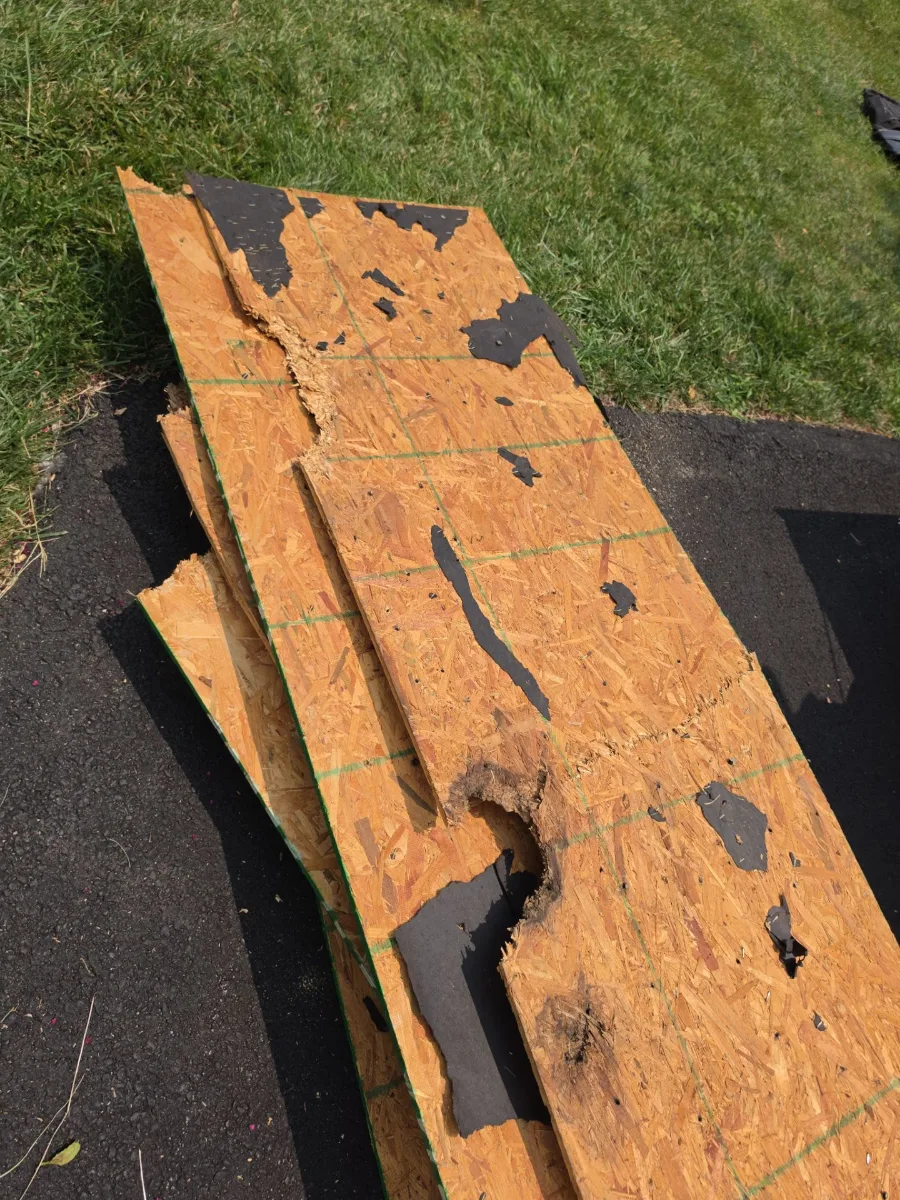
- Extensive rotted plywood decking. In the end, 17 sheets had to be replaced.
- No counter flashing where the roof meets the brick wall.
- Missing step flashing at the corners.
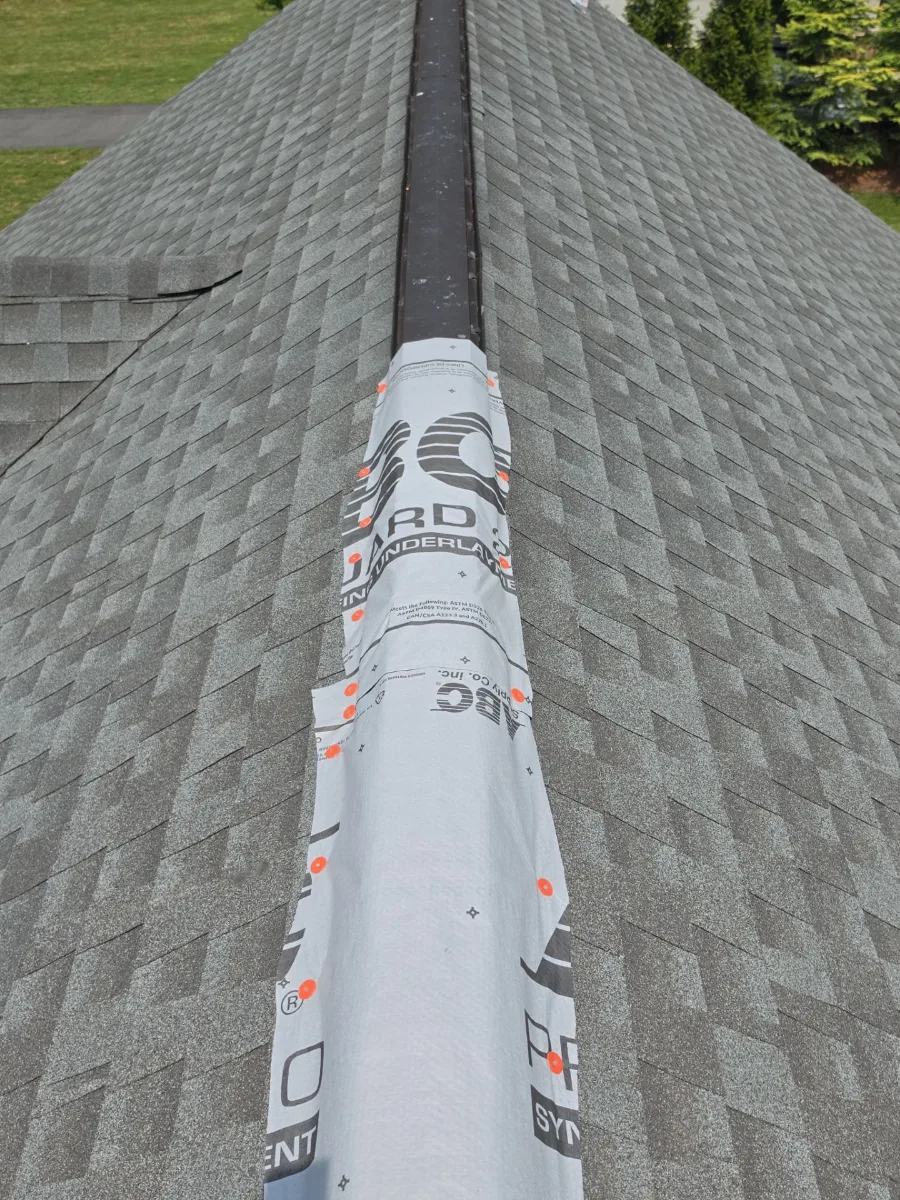
- Leaks near the ridge vent, which we tarped to keep water out until the replacement.
- Exposed nails.
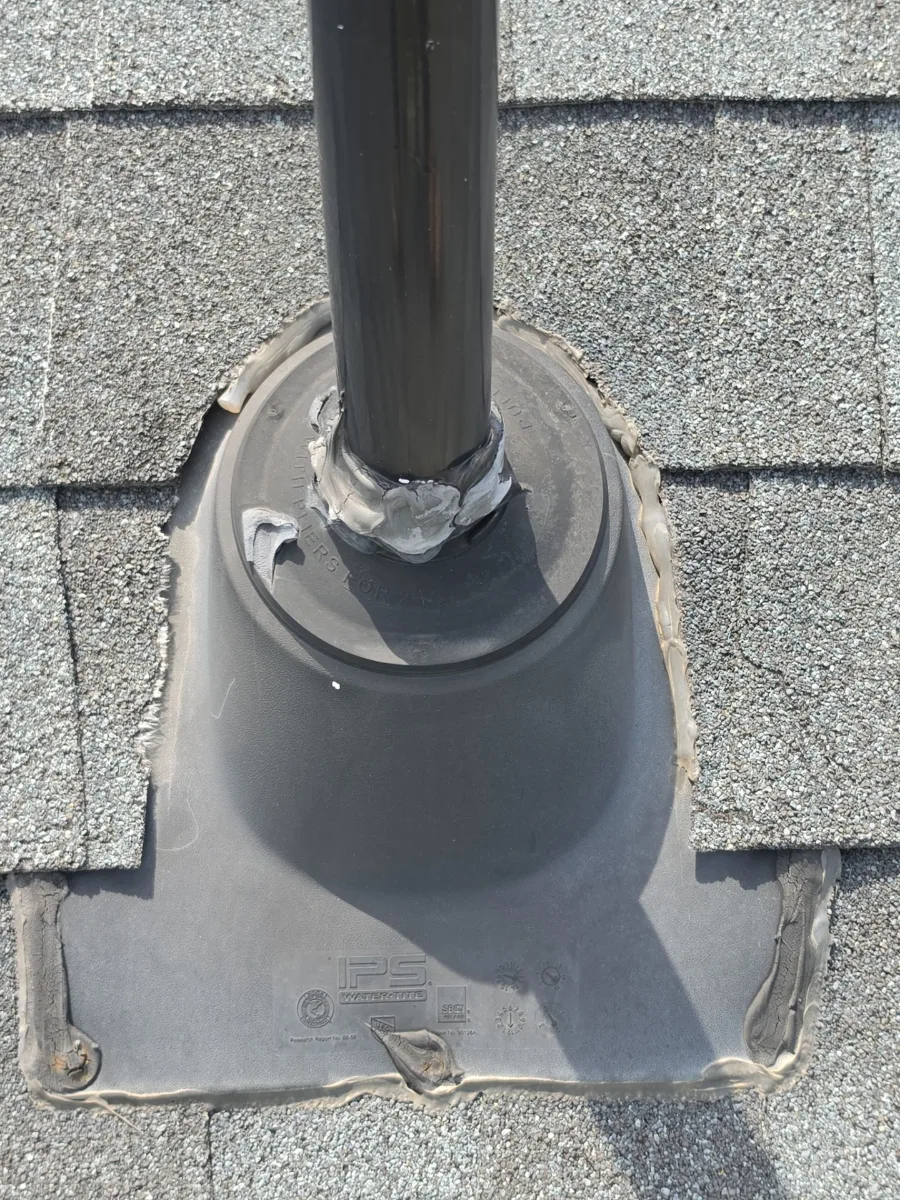
- Failed plastic pipe boots.
A roof in that shape can’t be fixed one shingle at a time, so the fix was a full roof replacement on new, solid decking.
Before

What a home inspection can miss
A home inspection looks at the whole house in one visit, and it is mostly visual. That leaves a lot of a roof out of view: the decking under the shingles, the flashing behind brick and siding, and slow leaks that haven’t reached a ceiling yet. On this home, the only visible clue was one broken shingle.
We see this often. We’ve had customers move in and have leaks the next day, or within their first two weeks in the home.
If you’re buying a home in Loudoun County, these are worth a look before closing:
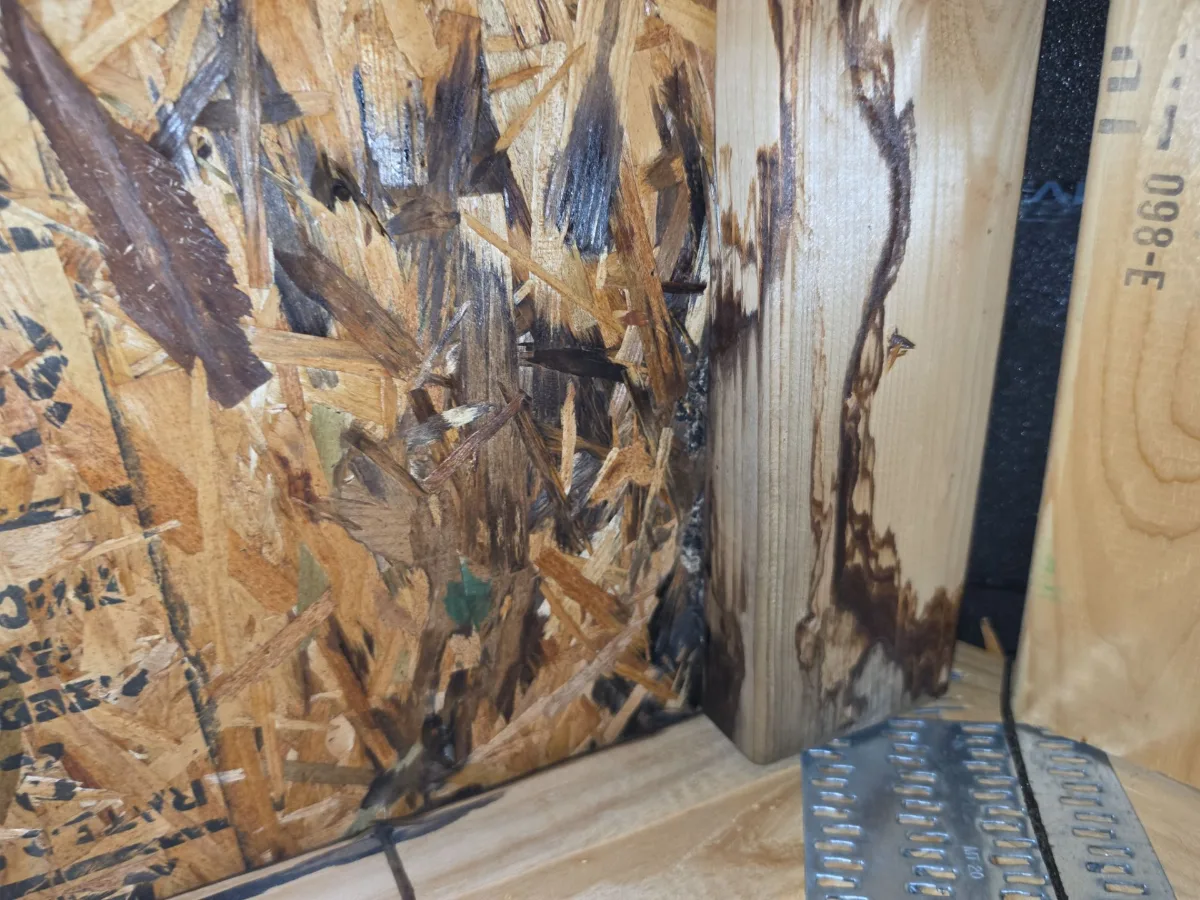
- The attic: water stains or dark, soft spots on the underside of the decking.
- Where the roof meets a wall or chimney: there should be metal flashing, not just caulk.
- Pipe boots: cracked rubber or tape around a pipe means the seal has failed.
- Nails: exposed nail heads on the shingles let water in over time.
- The ridge vent: lifted or cracked sections along the peak.
If anything looks off, or the roof is older, ask a roofer to inspect it before you close.
What we did
- Inspected the roof after the call about the broken shingle and documented every problem.
- Checked the attic and found water damage on the underside of the decking.
- Tarped the leaking ridge to keep water out until the replacement.
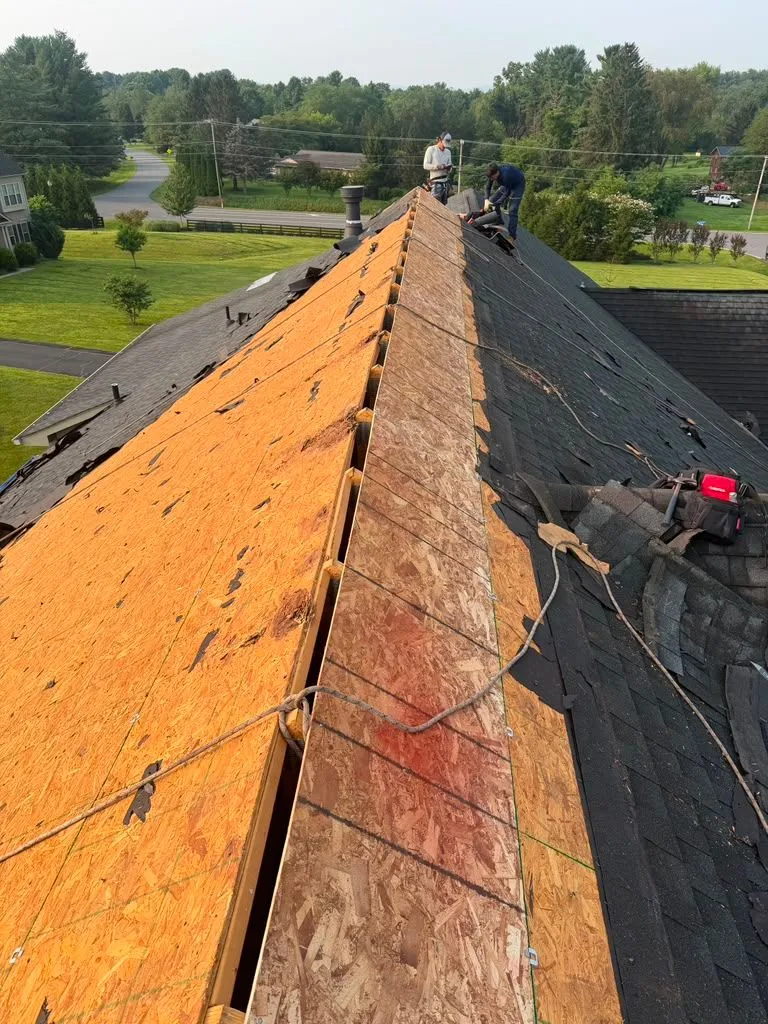
- Removed the old shingles down to the decking.
- Replaced 17 sheets of rotted plywood with new decking.
- Installed drip edge, ice and water shield, underlayment and starter strip.
- Flashed the areas where the roof meets the walls, including the corners.
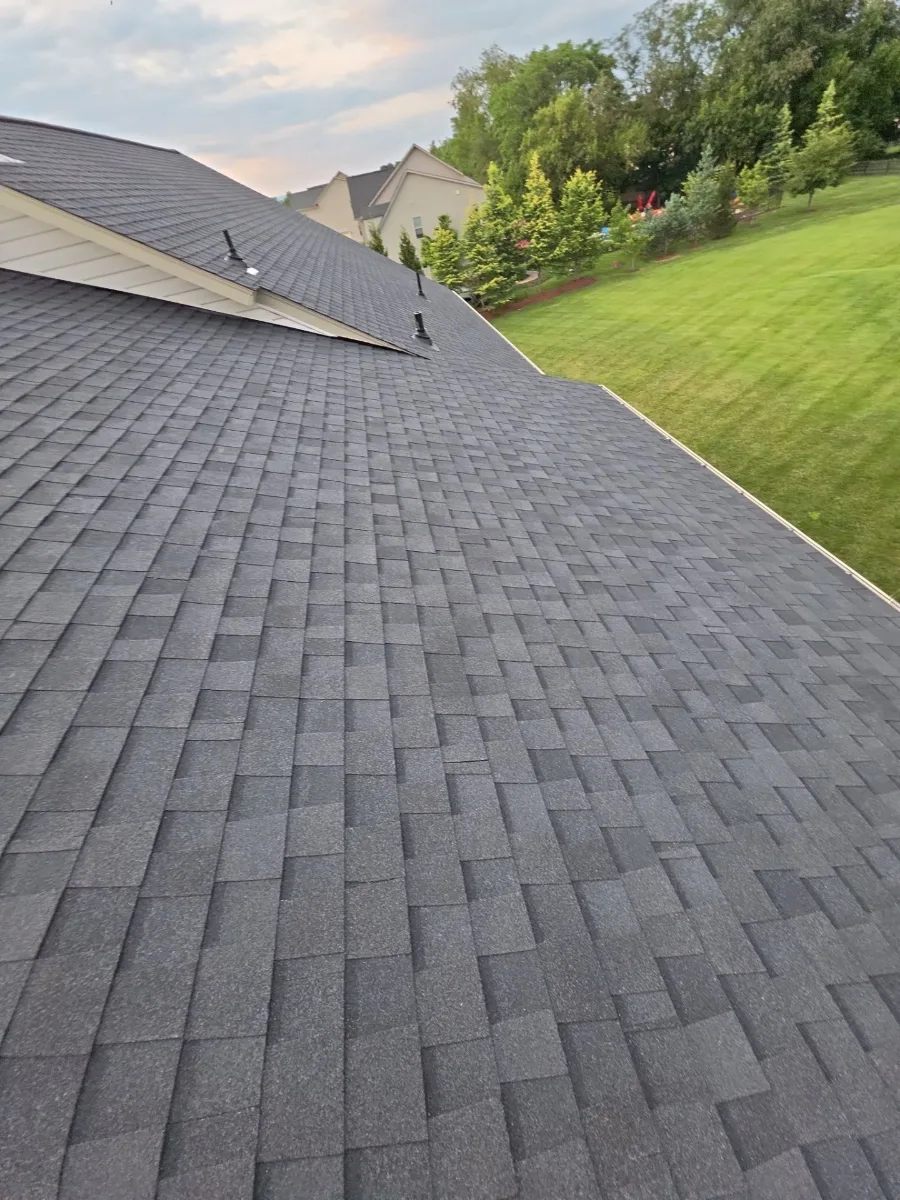
- Installed the new shingles, a new ridge vent and ridge caps.
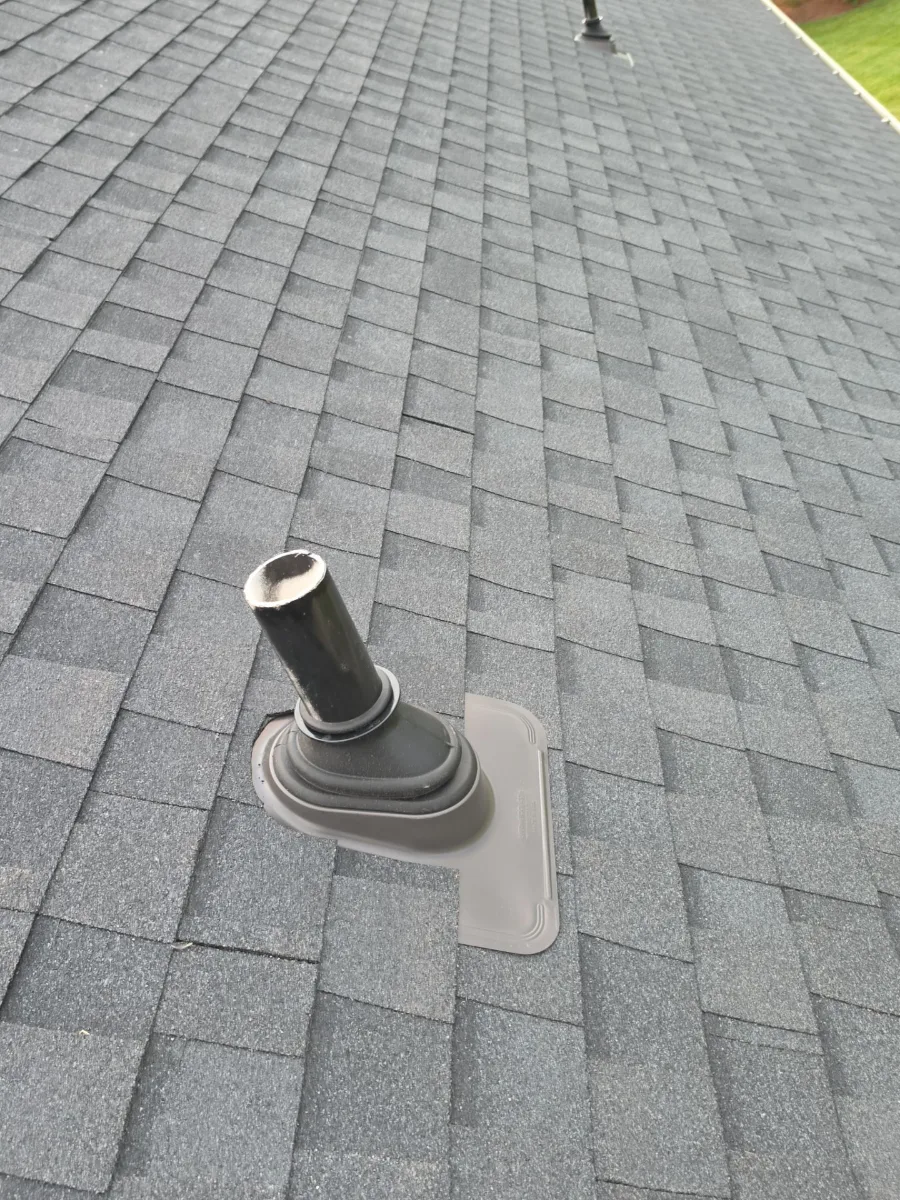
- Replaced the failed plastic pipe boots.
- Cleaned up and checked the finished roof.
The finished project
Keeping your roof in good shape
- Check your attic a couple of times a year for water stains, and keep attic vents clear so moisture can escape. Wet or poorly ventilated attics are a common cause of rotted decking.
- Look for brown stains on ceilings or a musty attic smell. Both can mean slow leaks that damage plywood long before shingles fail.
- Clean your gutters after the fall leaf drop and again in spring. Clogged gutters push water back under the edge of the roof.
- After strong storms or wind warnings from the National Weather Service Baltimore/Washington office in Sterling, look over your roof from the ground for missing or lifted shingles.
- Keep tree limbs trimmed back from the roof so branches don’t scrape shingles or drop debris into valleys.
Frequently asked questions
Yes. A general home inspection is mostly visual and covers the whole house in one visit. Rotted decking under the shingles, missing flashing behind brick or siding, and slow leaks often can’t be seen without a closer look by a roofer.
If the roof is older, or the home inspection notes anything about the roof, a roof inspection by a roofer before closing can catch problems a general inspection may miss.
Counter flashing is metal set into or over a brick wall or chimney that covers the top edge of the step flashing, so water running down the wall can’t get behind it. Without it, water can reach the decking along the wall.
Sun and weather dry out and crack the rubber seal around the pipe over time. Once it cracks, water can run down the pipe into the attic. Tape is not a lasting fix.
Most roofs like these take one to two days, depending on weather and what the crew finds under the old shingles. Replacing a lot of rotted decking can add time.
Planning a roof project in Hamilton?
Planning a roof project in Hamilton? See our Hamilton roofing page, learn about roof replacement and roof repair, browse more completed projects, or contact us for a free estimate.