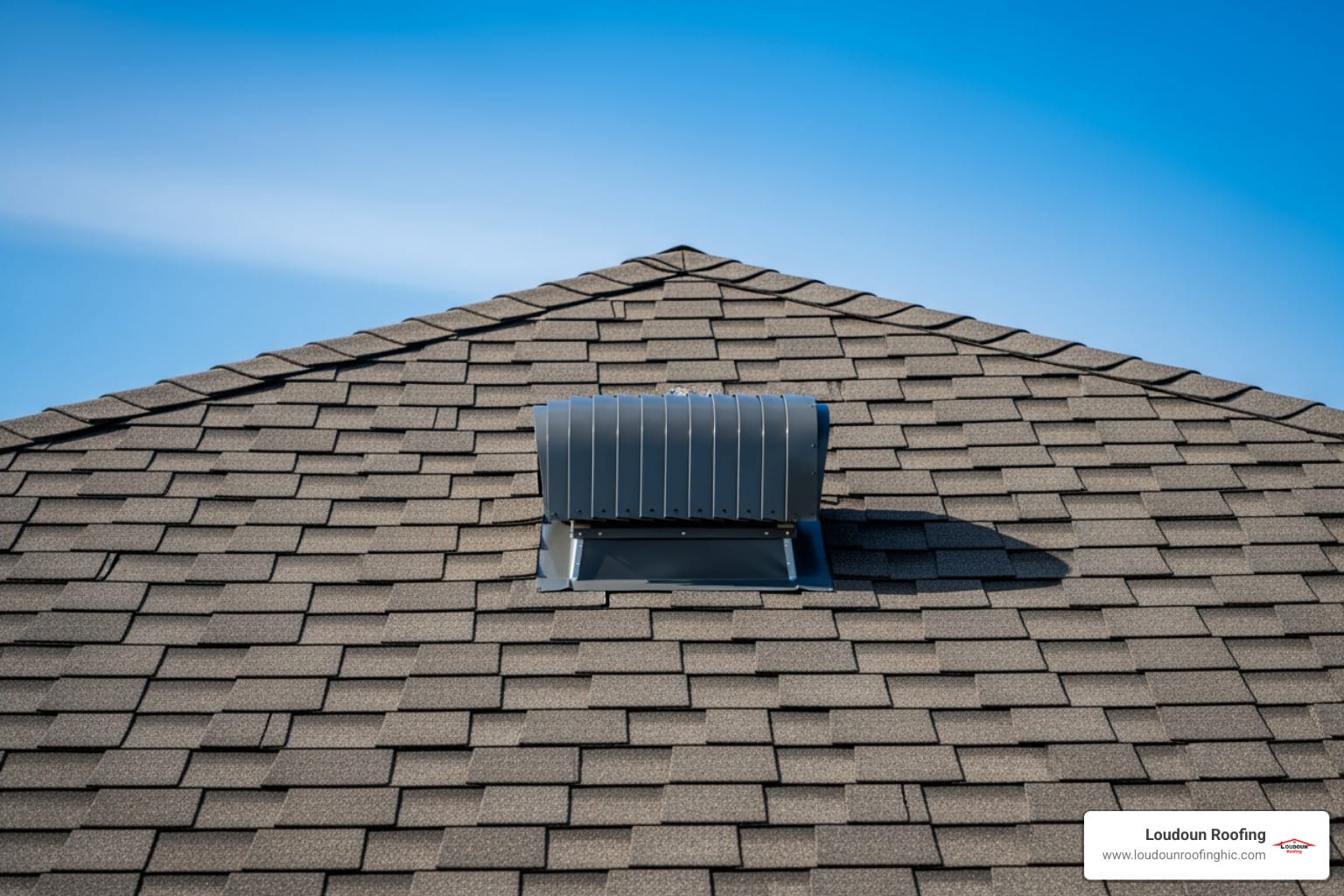

Why Affordable Roof Inspections Start with Smart Technology
Affordable roof inspections are crucial for protecting your home, and modern technology makes them more accessible than ever. As a trusted Loudoun County roofing company, we know that early detection is key to preventing costly repairs. Drones, in particular, have revolutionized how homeowners can monitor their roof’s health safely and effectively.
Quick Answer: Affordable Roof Inspection Options
- DIY Drone Inspection: $100-$500 (one-time drone cost), free for ongoing use.
- Professional Physical Inspection: $75-$200 average cost.
- Professional Drone Inspection: $150-$400 average cost.
- Infrared Inspection: $400-$600 for specialized heat-based detection.
- Best Value: Use a personal drone for regular checks and call professionals for detailed assessments.
Traditional roof inspections involve ladders and walking on shingles—a risk for homeowners and a time-consuming task for contractors. Drones eliminate these risks. For a few hundred dollars, you can own a tool that captures high-resolution images of your roof from the ground, revealing issues like missing shingles or water damage.
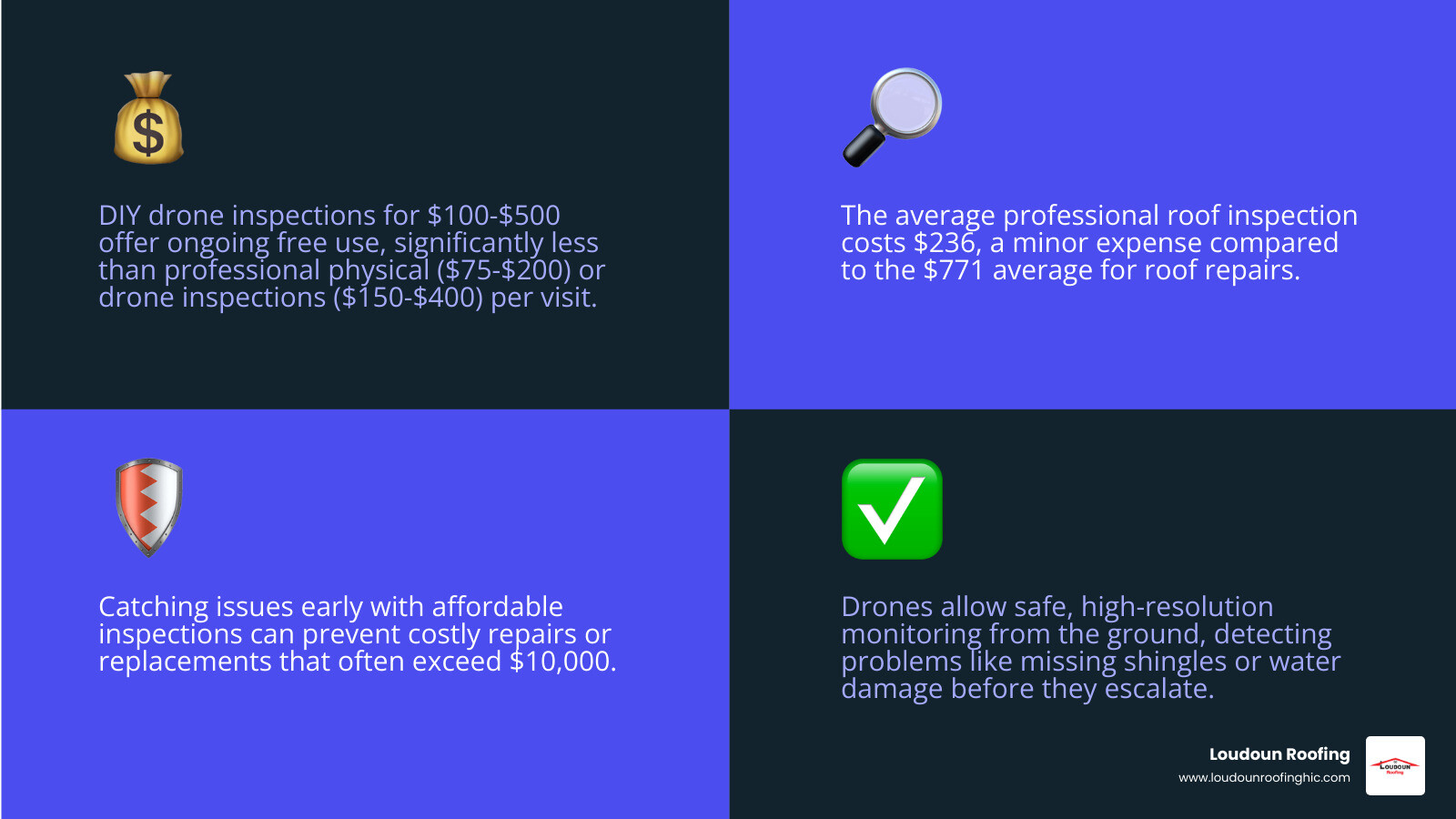
The value is clear when you compare the average professional inspection cost of $236 to roof repair costs averaging $771 or replacements exceeding $10,000. A drone puts the power of early detection in your hands, helping you avoid expensive emergencies.
I’m Esteban Marin, owner of Loudoun Roofing & Home Improvement. Since 2001, I’ve seen how early detection through affordable roof inspections saves homeowners in Loudoun County from costly repairs and provides invaluable peace of mind.
Why a Drone is Your Roof’s Best Friend
Your roof works tirelessly to protect your home from Northern Virginia’s weather. But monitoring its condition often means climbing a ladder, risking a fall, or paying for frequent professional visits. Drones change this, making affordable roof inspections both safer and smarter.
- Safety First: Falls remain a leading cause of unintentional injury nationwide, according to the National Safety Council. A drone gives you a bird’s-eye view while you remain safely on the ground, eliminating ladder risks.
- Significant Cost Savings: A one-time drone purchase of a few hundred dollars pays for itself after a few uses compared to the $75-$200 cost of a typical professional visit. Catching a small issue early can save you thousands in water damage repairs.
- Speed and Efficiency: A drone can survey your roof in about 15 minutes, a fraction of the time a physical inspection takes. This makes it practical to perform regular roof checks after storms or seasonally.
- Early Problem Detection: Drones spot cracked shingles, loose flashing, and moss growth long before they’re visible from the ground, preventing minor issues from becoming major crises.
- Easy Access to Difficult Areas: Steep pitches, multiple levels, and hard-to-reach sections are no match for a drone, ensuring no part of your roof goes uninspected.
- Storm Damage Assessment: After a storm, a drone provides immediate visual evidence of wind or hail damage, which is crucial for filing a timely and accurate insurance claim. If urgent tarping or mitigation is needed, request emergency roof repair.
- Invaluable Visual Documentation: High-resolution photos and videos create a historical record of your roof’s condition, supporting insurance claims and tracking wear over time.
Common Signs of Roof Damage to Spot from Above
Knowing what to look for is key. Here’s what your drone can help you identify:
- Visible Leaks or Water Stains: Look for dark streaks or unusual discoloration, which often indicate underlying moisture problems.
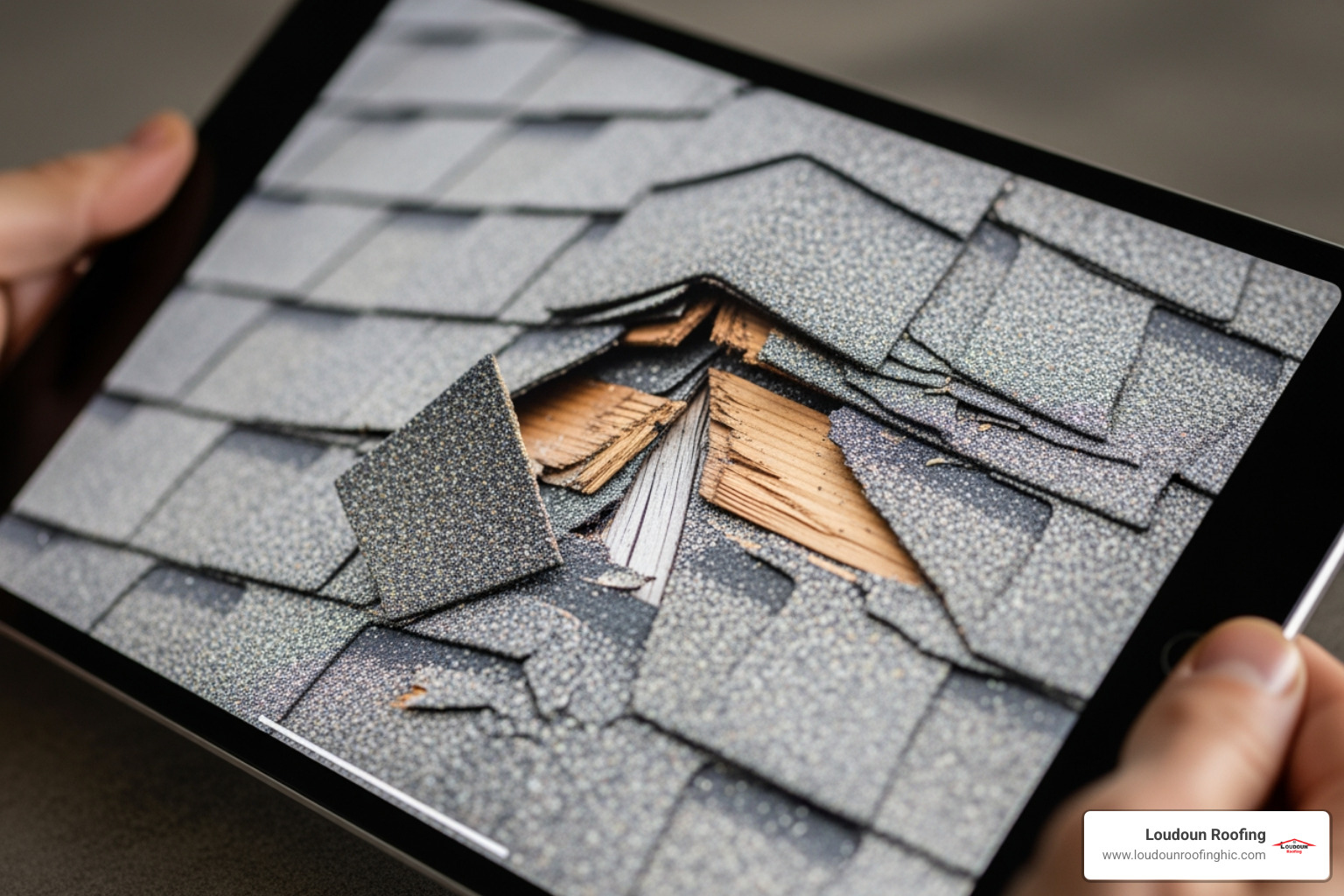
- Missing, Cracked, or Curling Shingles: Any compromised shingle exposes your roof’s underlayment to the elements. Curling or blistering signals that shingles are aging.
- Moss or Algae Growth: Green or black streaks trap moisture and can accelerate roof deterioration.
- Sagging or Uneven Roofline: A dip in the roofline, easily seen from the air, can point to serious structural issues.
- Damaged Flashing: Bent or cracked flashing around chimneys and vents is a common entry point for water.
- Granule Buildup in Gutters: An excessive amount of shingle granules in your gutters means your shingles are losing their protective layer and wearing out.
- Signs of Pests: Nests or holes can indicate pest activity that may be damaging your roof structure.
If your drone reveals any of these signs, it’s time to Find a Roofer for a professional assessment.
Key Features for Your Roof Inspection Drone
Choosing the right drone for affordable roof inspections is about balancing cost with essential features. You need a tool that can clearly reveal your roof’s condition, turning a blurry spot into a clear sign of a cracked shingle.

Camera and Image Quality: Seeing the Smallest Details
Clarity is non-negotiable for roof inspections. You need to see fine details like granule loss or failing sealant.
- 4K Video Resolution: This is the recommended standard. It provides sharp footage that allows you to zoom in on details without losing clarity, which is essential for identifying hail damage or wear.
- High-Resolution Photos: A camera with at least 12 megapixels captures crisp images perfect for documenting damage for insurance claims or personal records.
- 3-Axis Gimbal: This mechanical stabilizer is essential for smooth, steady video, even in windy conditions. It prevents shaky footage that can obscure important details.
- Zoom Capabilities: Zoom allows you to inspect areas like chimney flashing up close without flying dangerously near the roof.
- HDR (High Dynamic Range): This feature balances light and shadow, ensuring details in dark valleys or under bright sunlight are clearly visible.
Clear visuals are critical for identifying hail damage, checking sealant integrity, and spotting granule loss before it becomes a major problem.
Flight Performance and Safety Features
A great camera is useless on an unreliable drone. Flight performance and safety features ensure a productive and stress-free inspection.
- GPS Hold: This technology enables the drone to hover in a fixed position, which is crucial for capturing stable, focused images of specific areas.
- Obstacle Avoidance Sensors: These sensors detect and avoid obstacles like tree branches or power lines, protecting your investment and providing confidence during flight.
- Return-to-Home (RTH) Function: A vital safety feature, RTH automatically brings the drone back to its takeoff point if the battery is low or the connection is lost.
- Flight Time: Look for a drone with at least 25-30 minutes of flight time per battery to ensure you can conduct a thorough inspection without frequent interruptions.
- Wind Resistance: A drone with good wind resistance (rated for Level 5 winds or higher) can operate safely and provide stable footage in the breezy conditions common in Northern Virginia.
- FAA Regulations: Always operate your drone according to FAA rules. For recreational use, follow basic safety guidelines. For commercial purposes, Part 107 certification is required. Learn about drone regulations from the FAA before you fly.
Roundup: Top Categories of Drones for Affordable Roof Inspections
Choosing the right drone for affordable roof inspections means matching your needs to the right features. This guide focuses on drone types, not specific models, to help homeowners select the best tool for preliminary checks.
The User-Friendly Starter Drone for Quick Checks
Ideal for beginners, these drones are perfect for quick visual checks without the hassle of climbing a ladder. They are simple to operate and require minimal setup.
- Weight: Typically under 250g, often exempting them from stricter registration requirements in the US.
- Controls: Feature simple, one-touch takeoff/landing and automated flight modes.
- Flight Time: 15-25 minutes, sufficient for most single-story homes.
- Camera: 2.7K or 1080p resolution, adequate for spotting major issues like missing shingles.
- Best For: Calm weather conditions and basic visual monitoring.
The High-Resolution Detailer for Thorough DIY Inspections
For homeowners who want to see every detail, this category offers the clarity needed for comprehensive inspections.
- Camera: A 4K camera with zoom capabilities is standard, allowing you to identify fine cracks and granule loss.
- Stabilization: A 3-axis gimbal provides rock-solid, professional-quality footage.
- Flight Time: 25-35 minutes, offering ample time for larger or more complex roofs.
- Safety Features: Advanced obstacle avoidance and robust GPS ensure stable, controlled flight.
- Best For: Capturing detailed evidence for a Roof Insurance Claims Explained process and inspecting larger properties.
The All-Weather Workhorse for Demanding Conditions
For serious, frequent monitoring in unpredictable climates like Northern Virginia’s, these drones are built to perform.
- Durability: Improved wind resistance and an IP rating for water resistance allow for inspections in less-than-perfect weather.
- Flight Time: 30+ minutes, enabling coverage of very large properties on a single charge.
- Camera Sensor: A high-quality sensor excels in low-light or overcast conditions.
- Best For: Frequent inspections in varied climates and gathering reliable data for potential Roof and Gutter Repair needs.
DIY Drone Check vs. Professional Affordable Roof Inspections
A drone is an excellent tool for monitoring your roof’s surface condition safely from the ground. It’s perfect for spotting obvious damage and keeping an eye on things between professional visits. However, a DIY drone check is a preliminary screening, not a substitute for a comprehensive professional assessment.
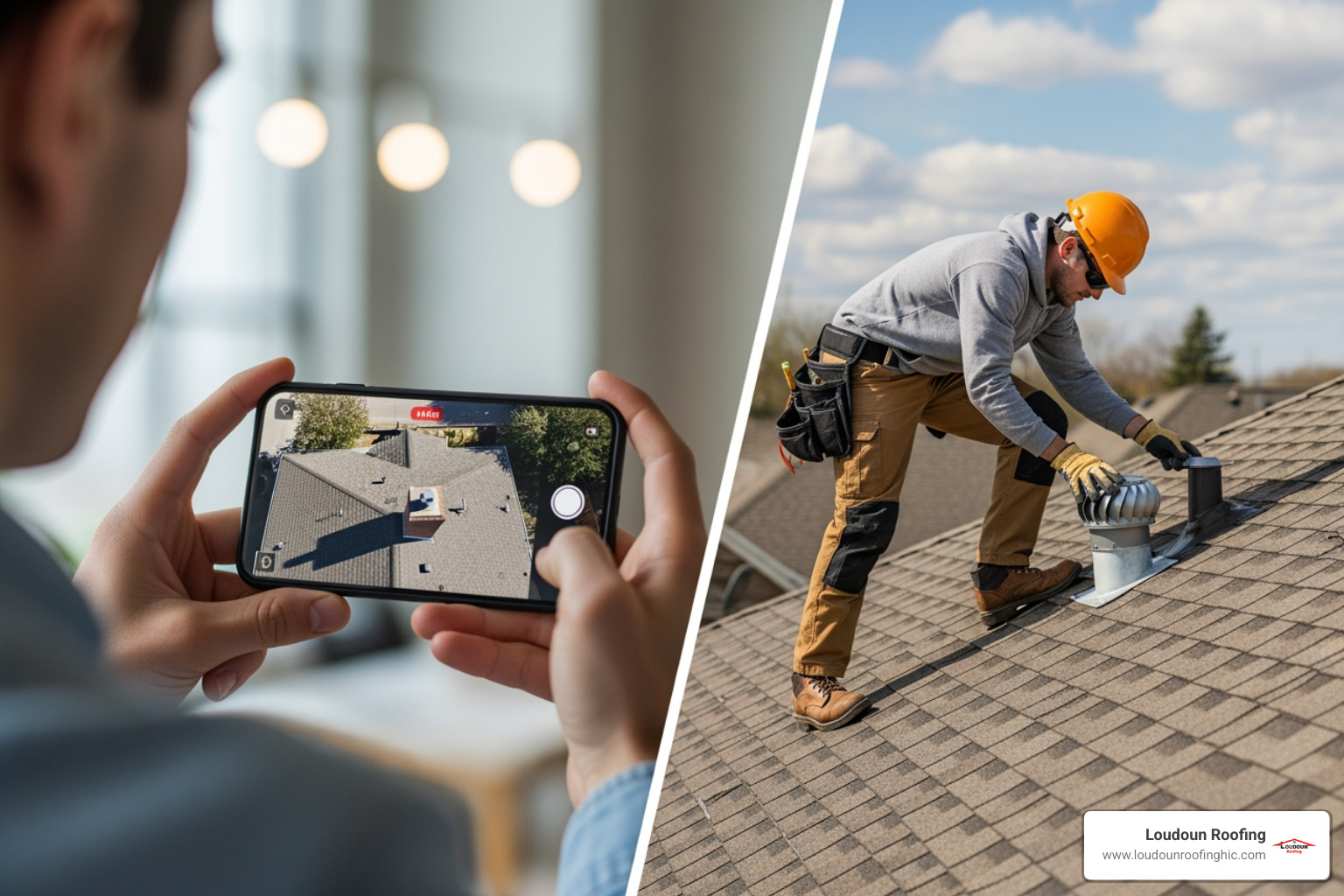
A trained inspector from Loudoun Roofing brings years of experience that a camera cannot replicate. We can identify hidden issues by feel, assess underlying structures, and spot subtle signs of improper installation. Your drone is the scout; our team provides the expert diagnosis.
| Factor | DIY Drone Inspection | Professional Roof Inspection |
|---|---|---|
| Cost | Initial drone purchase ($100-$500), free ongoing use. | $75-$600 (physical), $150-$400 (drone-assisted), $400-$600 (infrared). |
| Safety | High (operator stays on ground). | High (performed by trained professionals with safety gear). |
| Accuracy | Limited to visible surface damage; depends on operator skill. | High; combines visual inspection, hands-on assessment, and expert knowledge to identify hidden issues. |
| Scope | Exterior surface and visible components only. | Comprehensive examination including exterior, interior (attic), structural elements, material condition, flashing, ventilation, gutters, and assessment of underlying issues. Also verifies proper installation and compliance with Leesburg, VA, and Loudoun County building codes. |
| Deliverables | Photos and videos captured by user. | Detailed written report with annotated photos, specific recommendations, repair estimates, and sometimes a roof certification for insurance or real estate purposes. |
| Expertise | Homeowner’s visual interpretation. | Trained, certified, licensed, and insured inspector with extensive experience identifying damage patterns, material degradation, and structural problems specific to Northern Virginia. |
What a DIY Drone Inspection Can’t Tell You
A drone sees the surface, but many critical roof problems lie beneath.
- Structural Integrity: A drone can’t detect rotted decking, compromised trusses, or other structural issues that require a physical inspection of the attic.
- Attic Ventilation: It cannot measure airflow or identify blocked vents causing moisture buildup, a common issue in Northern Virginia’s humid climate.
- Underlayment Condition: The state of the waterproof barrier beneath the shingles can only be assessed by lifting shingles.
- Quality of Previous Repairs: A professional can determine if past repairs were done correctly and will hold up over time.
- Trapped Moisture: Standard drone cameras can’t detect moisture trapped under shingles, which can be identified with professional infrared tools.
- Tactile Feedback: An inspector can feel for “spongy” spots in the decking that indicate water damage invisible to a camera.
- Roof Certification Eligibility: A formal certification for real estate or insurance purposes requires an official report from a licensed professional. You may need to get a professional roof inspection for this.
When to Call a Professional for an Affordable Roof Inspection
Your drone is great for routine checks, but some situations demand an expert.
- After a Major Storm: Hail and high winds can cause subtle damage not visible in photos. We know the specific storm damage patterns in our region.
- When Buying or Selling a Home: Lenders and insurers in Loudoun County require professional documentation and certification. If you’re in Leesburg, find a roofer near me in Leesburg for fast help.
- If You Spot Significant Damage: Widespread missing shingles, sagging, or damaged flashing are signs of deeper issues.
- For an Aging Roof (10+ Years): A professional can evaluate your roof’s remaining lifespan and help you plan for maintenance or replacement.
- For Insurance Claims: Insurers require a formal report with detailed findings and estimates from a licensed contractor.
- If You Suspect a Leak: Finding the true source of a leak requires professional expertise. If you need a Roof Leak Repair McLean, an expert can pinpoint the entry point and prevent further damage.
Frequently Asked Questions about Drone Roof Inspections
How much does a professional drone roof inspection cost?
A professional drone roof inspection typically costs between $150 and $400. This is often a more affordable roof inspection option than a full physical inspection ($75-$600) or a specialized infrared inspection ($400-$600). According to HomeAdvisor, the national average is $236. This small investment is minimal compared to the cost of a major roof replacement, which can exceed $10,000. You can see average costs from HomeAdvisor for more data.
How often should I inspect my roof with a drone?
We recommend homeowners perform a drone inspection at least twice a year (spring and fall) and after any severe weather event. For a more thorough evaluation, a professional Roofing Maintenance inspection is advised every 1-3 years for shingle roofs and every 5 years for tile roofs, depending on age and condition. This helps identify subtle issues a DIY inspection might miss.
Is a drone inspection the same as a roof certification?
No. A drone inspection is a data-gathering method that provides visual information about the roof’s exterior. A roof certification is a formal, legally recognized document issued by a qualified inspector after a thorough physical assessment. It attests to the roof’s condition and remaining lifespan and is often required for real estate transactions or insurance. While a drone inspection can be a preliminary step, it cannot replace a formal certification. Learn more about what’s involved in Certified Roof Inspections McLean VA.
Your Next Step: From Drone View to Professional Review
Using a drone is a smart, proactive step for any homeowner. It empowers you to monitor your roof’s condition safely and affordably, catching small issues before they become major headaches. It’s a fantastic tool for preliminary affordable roof inspections, providing peace of mind and valuable insights.
However, when your drone spots trouble or it’s time for a comprehensive check-up, the expertise of a certified professional is irreplaceable. A trained inspector can tell you why a problem is happening and how to fix it correctly. At Loudoun Roofing, our team has the experience to go beyond surface-level observations to identify hidden problems and provide lasting solutions.
For homeowners in need of Loudoun County Roofing services, a trusted local expert provides the detailed analysis you need. We understand the challenges of Northern Virginia’s weather and know what to look for.
Loudoun Roofing offers thorough assessments to ensure your roof is in top condition. If your drone check has revealed areas of concern, or if you’re simply ready for a professional opinion, we’re here to help. Schedule your expert roof inspection today by visiting our website. A healthy roof means a happy home.