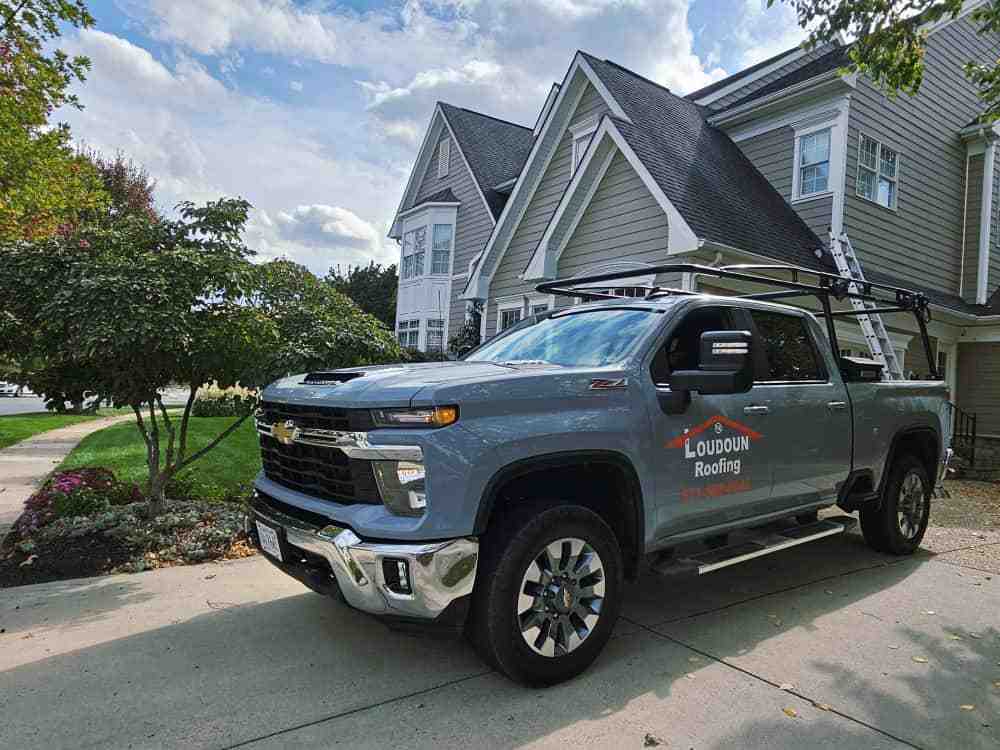

Why Choosing the Right Local Roofing Contractor Matters
When searching for residential roofing contractors near me, you’re looking for professionals to protect your home’s most critical barrier against the elements. Finding a trusted local partner for your roofing needs isn’t just about price—it’s about ensuring long-term protection, proper installation, and peace of mind for decades to come.
Quick Answer: How to Find Trustworthy Residential Roofing Contractors:
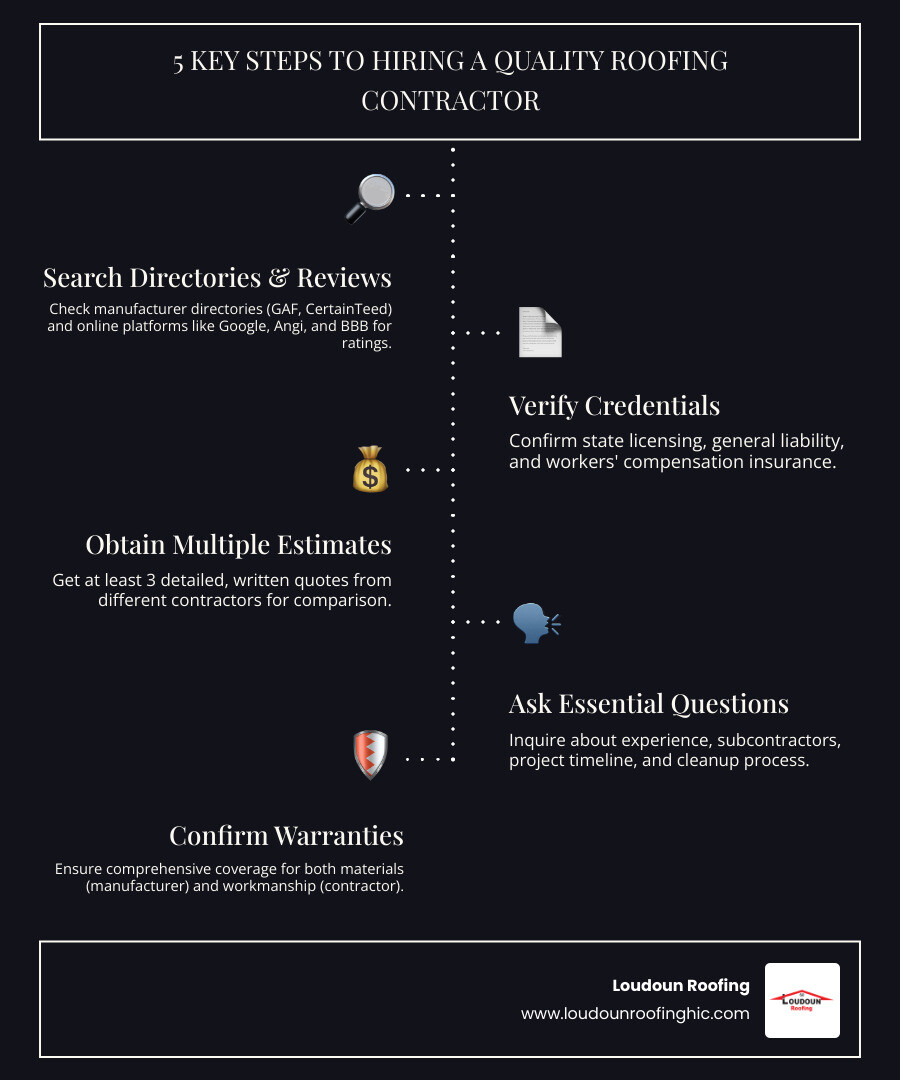
- Search manufacturer directories (GAF, TAMKO, CertainTeed) for certified contractors.
- Check BBB ratings (A+ to F scale) and online reviews on Google, Angi, and Facebook.
- Verify state licensing and insurance (general liability + workers’ compensation).
- Get 3+ written estimates from different contractors.
- Ask for local references from recent projects in your area.
- Confirm warranties offered on both materials and workmanship.
The stakes are high. Most homeowners will spend between $5,890 and $12,800 to replace a roof, with labor accounting for roughly 60% of that cost. A typical asphalt shingle roof lasts 20-25 years, meaning your choice of contractor today affects your home’s protection for the next two decades.
According to the Better Business Bureau, proper vetting requires checking that contractors are licensed, insured, and have a solid reputation. GAF, North America’s largest roofing manufacturer, notes that contractors certified by them “are trusted to offer our strongest guarantees and warranties.”
For homeowners in Loudoun County and Northern Virginia, working with a local roofing expert who understands regional building codes and weather patterns is essential. Whether you’re dealing with storm damage or an aging roof, the right contractor makes all the difference.
I’m Esteban Marin, owner of Loudoun Roofing & Home Improvement. Since 2001, I’ve helped Northern Virginia homeowners by providing a hands-on approach—from initial inspection to final walkthrough—to ensure every project meets the highest standards of quality and professionalism.
How to Find and Vet Reputable Residential Roofing Contractors Near Me
With a clear strategy, you can identify qualified and trustworthy residential roofing contractors near me. For homeowners in Leesburg, VA, and across Northern Virginia, the process starts with knowing where to look and what to verify.
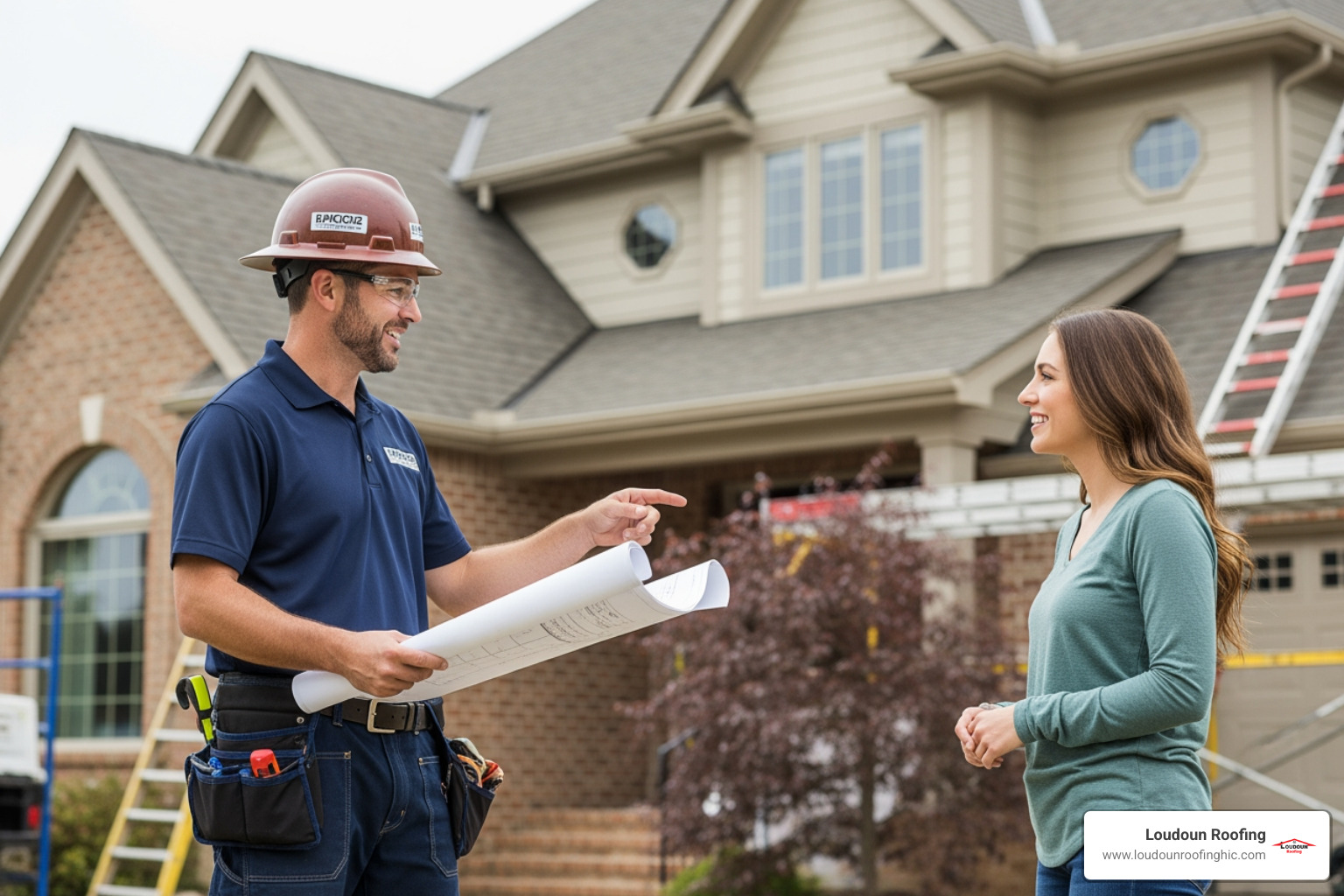
Start your search with manufacturer directories. Major brands like GAF, TAMKO, and CertainTeed maintain databases of certified contractors who meet specific training and quality standards. It’s a reliable starting point.
Check online reviews and BBB ratings. Google reviews, the Better Business Bureau (BBB), and platforms like Angi offer real-world insight. Look for patterns in feedback. A BBB A+ rating indicates a strong track record of customer satisfaction.
Ask for word-of-mouth referrals. Personal recommendations from neighbors, friends, or coworkers who recently had roofing work done are invaluable. Once you have a few candidates, you can begin the vetting process. For more guidance, visit our page on how to Find A Roofer.
Key Questions to Ask Before Hiring
Meeting with potential contractors is your chance to assess their expertise and professionalism. Here are essential questions to ask:
- How long have you been in business in this area? Local experience with Northern Virginia’s weather and building codes is invaluable.
- Do you use subcontractors or your own crew? In-house crews often provide better quality control and consistency.
- What is your project timeline? A good contractor provides a realistic schedule and explains potential delays like weather or material delivery.
- What is your process for cleanup? Professionals protect your property with tarps and use magnetic tools to collect stray nails, leaving your home spotless.
- Can you provide local references? Speaking with past clients offers unfiltered insight into a contractor’s work quality and communication.
- Are you licensed and insured? This is non-negotiable. We’ll cover why this is critical next.
- What warranties do you offer? Strong warranties on materials and workmanship show confidence in the products and installation quality.
- Will you handle all necessary permits? Reputable contractors manage the permitting process to ensure all work complies with local Roofing Permits Local Codes.
- How do you handle unexpected issues? A transparent contractor explains their process for communicating and pricing additional repairs like deck damage.
- What safety measures do you have in place? Professionals prioritize safety with proper equipment, training, and protocols to protect your family and property.
Verifying Licenses, Insurance, and Certifications
Never skip the verification step. A contractor can sound professional, but without proper credentials, you’re taking a serious risk.
State licensing demonstrates that a contractor has met minimum standards of competence. In Virginia, you can verify a license through the Department of Professional and Occupational Regulation. Hiring an unlicensed roofer can lead to poor workmanship, code violations, and voided insurance coverage. For example, California homeowners can check credentials via the Contractors State License Board (CSLB).
Insurance protects you from liability. A legitimate contractor must carry two types of coverage: general liability insurance for property damage and worker’s compensation insurance for injuries to their crew. Without it, you could be held personally liable for accidents. Always request current certificates of insurance directly from their insurance carrier to verify active coverage.
Manufacturer certifications signal excellence. Certifications from brands like GAF or TAMKO show a contractor has completed specialized training. These certified contractors often provide access to improved warranties that offer superior protection.
The Value of a GAF-Certified Contractor
When evaluating residential roofing contractors near me, GAF certification is a mark of distinction. As North America’s largest roofing manufacturer, GAF sets high standards for quality.
GAF certification is earned, not given. Contractors must be properly licensed, insured, have a proven reputation for quality, and commit to ongoing training. This means you’re hiring a professional trusted by the industry’s leading manufacturer.
The warranty advantage is substantial. GAF-certified contractors can offer improved warranties that others cannot. The highest level, GAF Master Elite® status, is achieved by less than 2% of roofing contractors nationwide. These contractors can offer the exclusive Golden Pledge® Limited Warranty, which covers both materials and workmanship for up to 50 years—far exceeding standard warranties and providing decades of peace of mind.
Choosing a GAF Certified Contractor means partnering with a professional backed by the industry’s most trusted name, protecting your home and investment for years to come.
Understanding Roofing Services, Costs, and Materials
Understanding the services, costs, and materials available for your Northern Virginia roofing project empowers you to make a confident investment in your home’s protection.
What Services Do Local Roofing Contractors Typically Offer?
Quality residential roofing contractors near me offer a full range of services to protect your roof throughout its life.
- Professional Roof Inspection: A thorough Roof Inspection identifies small problems before they become expensive emergencies. Annual inspections are recommended.
- Targeted Roof Repair: Professional Roof Repair addresses specific damage, like leaks or missing shingles, to extend your roof’s lifespan at a fraction of the cost of replacement.
- Complete Roof Replacement: When a roof reaches the end of its life, a full replacement is necessary. This involves a complete tear-off and installation of a new system. Our Roof Replacement Complete Guide explains the process.
- Preventive Roofing Maintenance: Regular Roofing Maintenance, including cleaning and minor repairs, is a cost-effective way to prevent premature wear and add years to your roof’s life.
- Emergency Roof Repair: For urgent issues after a storm, Emergency Roof Repair services provide immediate tarping to stop leaks and prevent interior damage.
- Integrated Roof and Gutter Repair: Since gutters are a key part of your roofing system, professional Roof and Gutter Repair ensures water is properly channeled away from your home.
Decoding the Cost of Roofing Projects
Understanding roofing costs helps you budget realistically and identify fair pricing.
Roof repairs typically cost between $380 and $1,800, with an average around $1,100. Simple fixes are on the lower end, while more extensive damage costs more.
Complete roof replacement averages $5,890 to $12,800 for most homes. Larger homes, steep pitches, or premium materials can increase costs significantly. Labor accounts for roughly 60% of the total cost.
Key factors influencing your final price include:
- Roof Size and Pitch: Larger or steeper roofs require more time and materials.
- Complexity: Dormers, skylights, and multiple valleys add labor costs.
- Accessibility: Limited access to the property can increase setup time.
- Deck Damage: Rotted or damaged decking found after tear-off requires additional repairs.
The best way to determine your cost is to request a Free Roof Estimate from a licensed contractor who provides a detailed, written breakdown.
How to Choose the Right Roofing Materials for Your Home
Your choice of roofing material impacts your home’s appearance, protection, and long-term costs. Consider these popular options for the Northern Virginia climate.
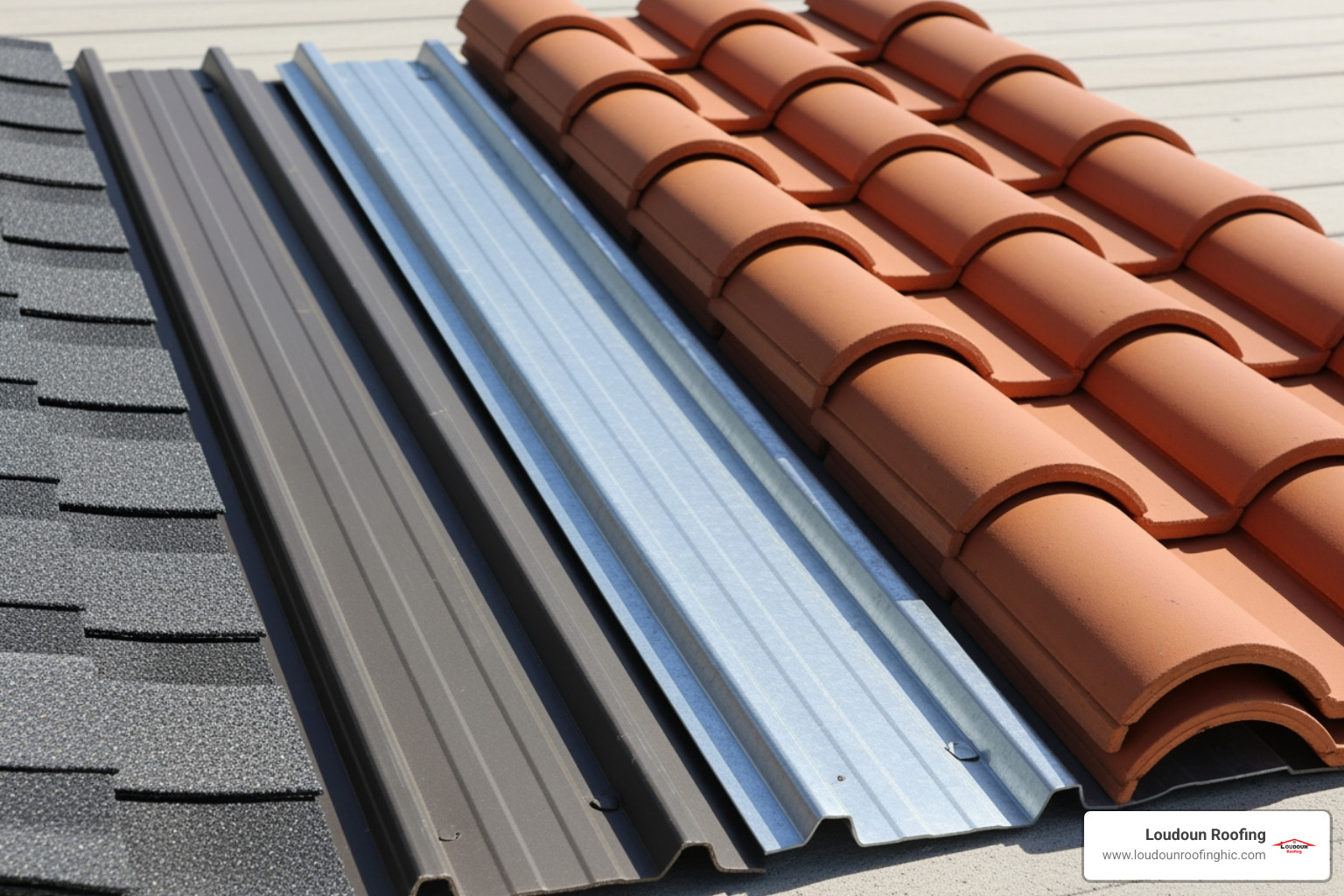
Asphalt shingles are the most popular choice, offering excellent value. With a lifespan of 20-25 years and installed costs of $3.50 to $5.50 per square foot, Asphalt Shingle Roofs come in many styles and are easily repaired. They offer a great balance of budget and performance.
Metal roofing delivers exceptional longevity of 40-60+ years. At $6.00 to $15.00+ per square foot installed, Metal Roofing has a higher upfront cost but is often more economical long-term. It reflects solar heat, reduces cooling costs, and offers superior weather resistance.
Tile roofing is a premium option with a lifespan of 50-100+ years, costing $8.00 to $25.00+ per square foot. As our Tile Roofers Near Me Complete Guide explains, clay and concrete tiles offer best durability and beauty but may require structural reinforcement due to their weight.
When choosing, consider your home’s architectural style, your budget (including long-term value), and our local climate. A metal roof costing $12,000 that lasts 50 years has a lower annual cost ($240/year) than an asphalt roof costing $7,000 that lasts 22 years ($318/year), making it a smarter long-term investment.
Identifying Roof Problems and Handling Damage Claims
Knowing the signs of roof trouble and how to steer insurance claims are critical skills for any homeowner. Addressing issues early can save you from costly repairs down the road.
Telltale Signs You Need Roof Repair or Replacement
Your roof often gives clear signals when it needs attention. A trustworthy team of residential roofing contractors near me can accurately diagnose these indicators and recommend the right solution.
- Leaks or Water Stains: Discolored patches on ceilings or walls are a direct sign of a roof leak that needs immediate attention.
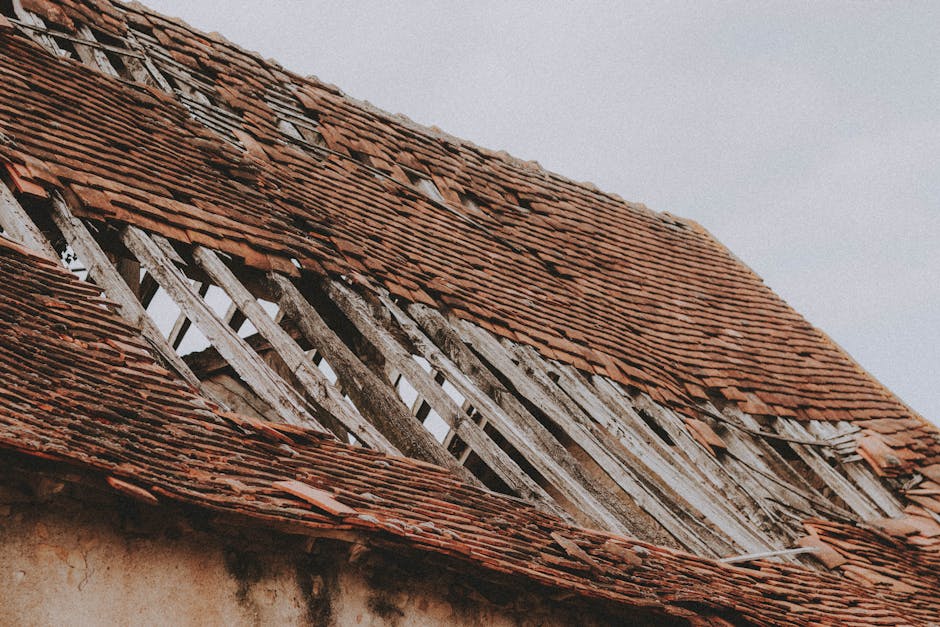
- Missing, Cracked, or Curling Shingles: These are visible signs of wear, aging, and weather damage, indicating your roof’s protective capabilities are compromised.
- Excessive Granule Loss: Finding sand-like granules from your asphalt shingles in your gutters means they are deteriorating and losing their protective layer.
- Spongy or Soft Feel: If your roof feels soft or bouncy when walked on, it suggests the underlying decking has been weakened by moisture and requires professional assessment.
- Roof Age: A typical asphalt shingle roof lasts 20-25 years. If your roof is approaching this age, it’s time for a professional inspection, even without obvious damage.
Regularly asking How Often Should You Inspect Your Roof and acting on these signs is key. Our team offers professional Roof Inspection services to assess these issues and provide timely Roof Repair when needed.
How to Spot Storm Damage That Requires Immediate Attention
Severe weather in Northern Virginia can inflict significant damage on roofs. Knowing what to look for after a storm is crucial for protecting your home.
- Hail Damage: Look for dents, bruising, or circular cracks on shingles. This damage can weaken the shingle and lead to future leaks.
- Wind Damage: High winds can lift, crease, or tear off shingles, often along ridges and eaves. Also check for loose flashing around chimneys and skylights.
- Fallen Debris: Even small tree limbs can scratch or dent shingles, while larger branches can cause structural damage or punctures.
- Water Intrusion: Any new leaks or dampness in your attic after a storm is a clear sign the roof’s barrier has been breached.
If you suspect storm damage, contact a local expert for a Storm Hail Damage assessment. Prompt action can prevent more extensive problems like mold and rot.
A Homeowner’s Guide to Filing a Roof Insurance Claim
Navigating the insurance process can be stressful, but following a clear plan helps ensure you get the coverage you deserve.
- Document All Damage: As soon as it’s safe, take detailed photos and videos of all visible roof damage and any interior water damage.
- Contact Your Insurance Provider: Notify your insurance company promptly to start the claims process. They will assign an adjuster to assess the damage.
- Get Professional Estimates: Before the adjuster visits, get at least three detailed, itemized estimates from reputable roofing contractors to understand the scope and cost of repairs.
- Have Your Contractor Meet the Adjuster: Your roofer can point out damage the adjuster might miss, ensuring a fair and comprehensive assessment.
- Understand Your Policy: Review your insurance policy to know your deductible, coverage limits, and what types of damage are covered.
For a more detailed walkthrough, see our Roof Insurance Claims Explained guide. Following these steps will help you manage the process with confidence.
What to Expect: The Roofing Project from Start to Finish
Starting on a roofing project can feel like a major undertaking, but when you choose the right residential roofing contractors near me, the process is smooth and straightforward. Knowing the steps involved helps you prepare and feel confident from start to finish.

The Typical Process for residential roofing contractors near me
A professional roofing project in Loudoun County follows a structured, efficient process:
- Initial Consultation & Estimate: We conduct a thorough inspection and provide a detailed written estimate outlining the scope, materials, timeline, and costs.
- Site Preparation: Before work begins, our crew protects your landscaping, driveway, and other vulnerable areas with tarps.
- Tear-Off of Old Materials: We remove all old roofing layers down to the roof deck. This is often the noisiest part of the project.
- Deck Inspection & Repair: With the deck exposed, we inspect for rot or damage and make necessary repairs to ensure a solid foundation.
- Installation of New Roofing System: Our team installs the new underlayment, flashing, and your chosen material—like Asphalt Shingle Roofs or Metal Roofing—according to manufacturer specifications and local Roofing Permits Local Codes.
- Final Cleanup & Walkthrough: We perform a meticulous cleanup, removing all debris and nails. You’ll then do a final walkthrough with the project manager to ensure your complete satisfaction.
How to Prepare Your Home for a Roofing Project
A few simple preparations can minimize disruption and help the project run smoothly:
- Clear the Driveway: We need space for vehicles and a debris dumpster. Please move cars to the street or a safe distance away.
- Move Outdoor Items: Relocate patio furniture, grills, and potted plants at least 15 feet from the house to protect them from falling debris.
- Protect Interior Valuables: Vibrations can cause items on walls to shift or fall. Temporarily remove fragile pictures or decorations.
- Plan for Noise: Roofing is noisy. If you work from home or have young children, consider making arrangements for a quiet space during work hours.
- Keep Children and Pets Safe: For their safety, keep children and pets indoors and away from the work area at all times.
- Trim Overhanging Branches: Pruning branches close to the roof prevents damage during the project and helps keep your new roof clean.
Understanding Roofing Warranties
A new roof is a major investment, and warranties are your protection. There are two main types:
- Manufacturer Warranty: This covers defects in the roofing materials themselves. Provided by the manufacturer (e.g., GAF), coverage typically ranges from 20 to 50 years.
- Contractor Workmanship Warranty: This covers errors in the installation process and is provided by your contractor. A 20-year workmanship warranty is considered excellent and shows a strong commitment to quality.
It’s crucial to understand what is covered and what is excluded. Exclusions often include damage from severe weather, lack of maintenance, or unauthorized alterations. Manufacturer certifications, like GAF Master Elite®, provide access to improved warranties like the GAF Golden Pledge® Limited Warranty, which offers superior, long-term coverage for both materials and workmanship. Improper maintenance can void your warranty, so follow all recommended care guidelines.
Frequently Asked Questions About Hiring Residential Roofing Contractors
When considering residential roofing contractors near me, homeowners often have similar questions. Here are clear, direct answers to some of the most common inquiries.
How much does a professional roof inspection cost?
While most contractors offer a Free Roof Estimate for a potential replacement or repair project, a formal, detailed inspection report intended for a real estate transaction or insurance purposes typically costs between $200 and $600. The price varies based on the roof’s size, complexity, and the level of detail required in the report.
Can I install a new roof over my old one?
This practice, known as a “roof-over,” is generally not recommended, although some local codes may permit one layer. A complete tear-off of the old shingles is the best practice for several key reasons:
- It allows for a thorough inspection of the underlying roof deck for rot or damage that would otherwise be hidden.
- It ensures a proper, watertight installation on a clean surface, maximizing the new roof’s lifespan and performance.
- It avoids adding excessive weight to your home’s structure.
- It provides a better aesthetic finish and is often required to validate manufacturer warranties.
The long-term benefits of a full tear-off far outweigh the minor upfront savings of a roof-over.
How long does a typical roof replacement take?
For an average-sized residential home, a complete roof replacement typically takes 1 to 3 days. However, the timeline can be influenced by several factors:
- Roof Size and Complexity: Larger or steeper roofs with features like skylights and dormers take longer.
- Weather Conditions: Rain, high winds, or extreme heat can cause delays for safety reasons.
- Roofing Material: Materials like metal or tile may require more installation time than asphalt shingles.
- Unexpected Repairs: If significant damage to the underlying deck is finded, repairs will add to the project duration.
A professional contractor will provide a realistic timeline before starting and communicate any potential delays.
Conclusion: Partnering with the Right Local Roofer
Choosing the right contractor is the most critical step in ensuring a durable, long-lasting roof. By verifying credentials, asking the right questions, and understanding the process, you can protect your investment and your home. For homeowners in the Northern Virginia area, partnering with a trusted company like Loudoun Roofing ensures quality craftsmanship and peace of mind. For expert guidance on your next project, explore our Residential Roofing services.