
Why Your Commercial Property Demands a Specialized Flat Roofer
A flat roofer is a specialized contractor with unique expertise in installing, repairing, and maintaining low-slope roofing systems common on commercial buildings. For business owners in Northern Virginia, finding a partner for comprehensive commercial roofing services is a critical investment. Unlike residential roofing, flat roofs present unique challenges—from engineering proper drainage to creating seamless, waterproof membranes—that demand specialized knowledge to prevent costly water damage.
The difference between a roof that performs for decades and one that fails within years often comes down to the installer’s expertise. For example, a properly installed Built-Up Roofing (BUR) system can last up to 50 years, but improper installation can lead to premature failure. Commercial flat roofs must be engineered to drain water effectively, and membrane seams must be perfectly sealed to prevent infiltration—skills honed through years of specialized work.
This guide provides expert tips for hiring the right commercial flat roofer to protect your asset. As Esteban Marin, owner of Loudoun Roofing & Home Improvement, I’ve specialized in commercial flat roofing projects across Northern Virginia since 2001. My hands-on approach ensures your property receives the expert installation and waterproofing it demands.
Understanding Flat Roofing Systems and Materials
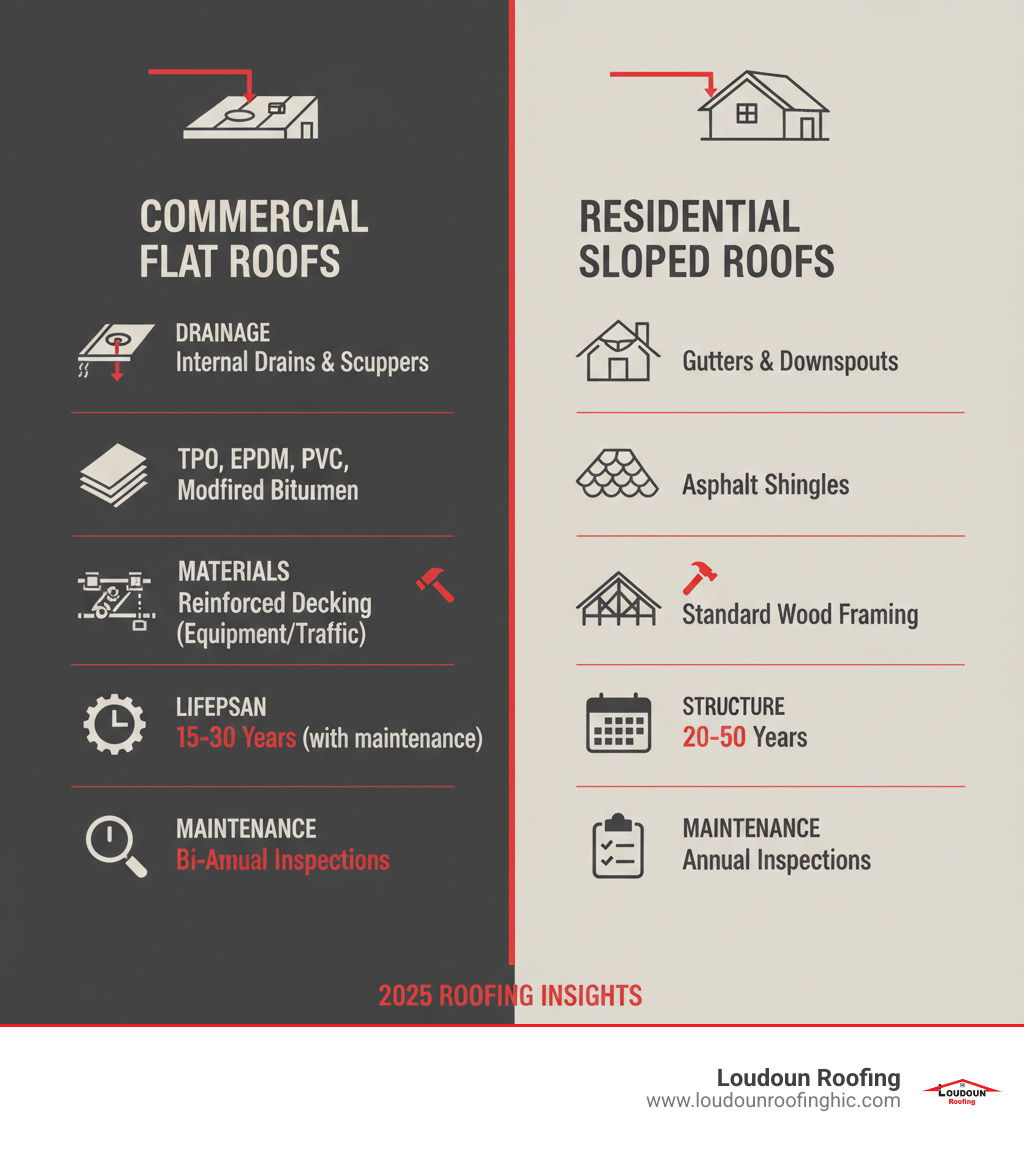
A flat roof isn’t actually flat; it has a slight slope of 10 degrees or less to ensure proper water drainage. Even minimal ponding water can cause membrane deterioration and leaks. Understanding the primary systems and materials is the first step to making an informed decision for your property. For expert guidance, property owners can partner with experienced roofing professionals in Leesburg who understand local weather and building requirements.
Common Flat Roofing Systems
Commercial flat roofing systems offer diverse solutions based on climate, building use, and budget. The right system protects your investment for decades.
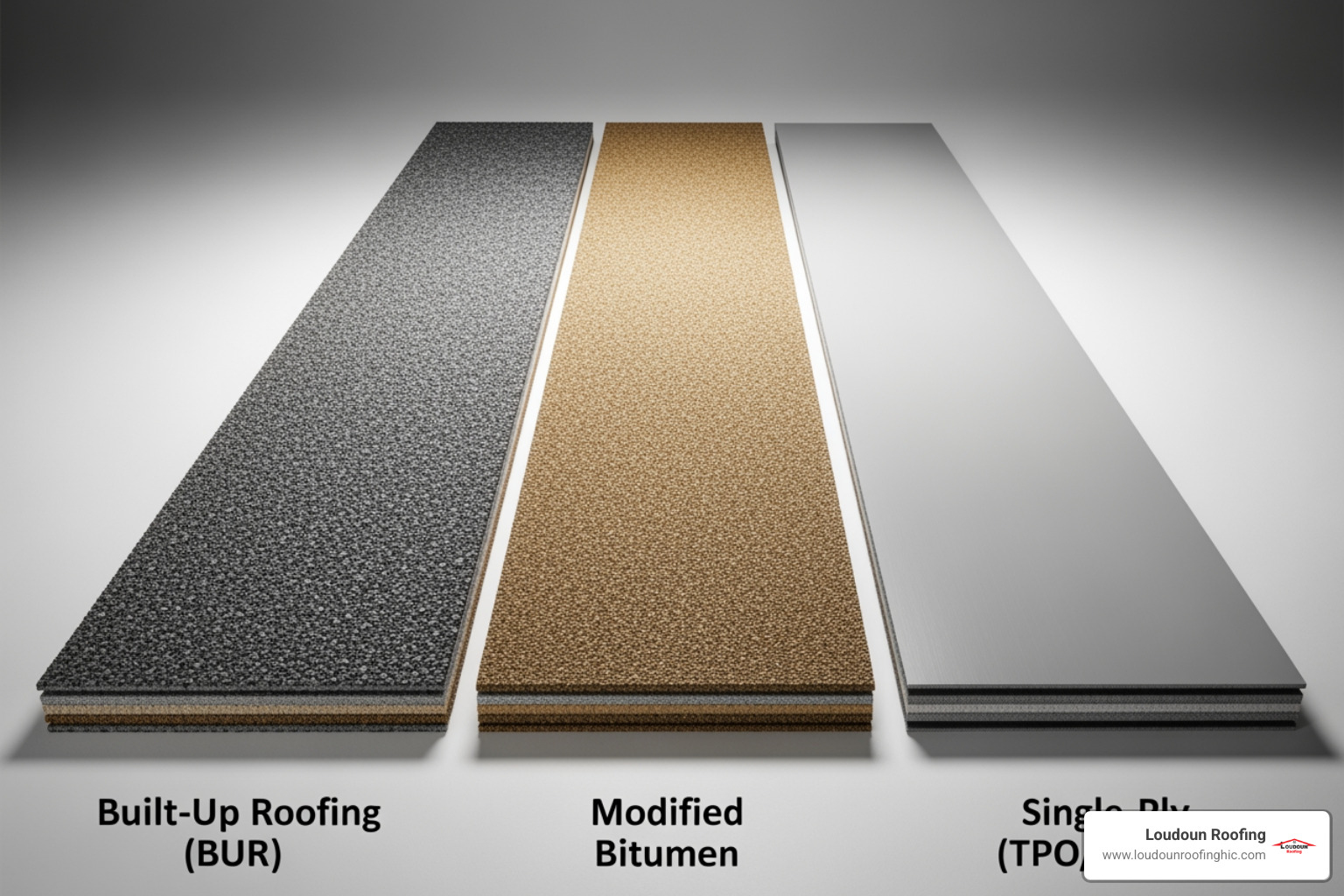
- Built-Up Roofing (BUR): Known as “tar and gravel” roofs, BUR systems consist of multiple layers of asphalt and reinforcing fabric. This creates a durable, robust membrane that can last up to 50 years with proper installation, making it ideal for roofs with heavy equipment or foot traffic.
- Modified Bitumen: An evolution of BUR, this system incorporates polymers for improved flexibility in extreme temperatures. It can be torch-applied, hot-applied, or self-adhered, offering a reliable lifespan of up to 20 years with proper maintenance.
- Single-Ply Membranes: These systems use a single layer of waterproofing material, reducing the number of seams and potential leak points. Their flexibility and reflective surfaces contribute to performance and energy efficiency. Learn more about our professional flat roof installation process.
A Closer Look at Materials
- Thermoplastic Polyolefin (TPO): A popular single-ply membrane with a highly reflective white surface that can significantly reduce cooling costs. Its heat-welded seams create a strong, watertight bond, offering excellent resistance to tears and punctures.
- Ethylene Propylene Diene Monomer (EPDM): Often called “rubber roofing,” EPDM is a synthetic rubber membrane known for its exceptional durability and flexibility. Properly installed EPDM roofs can last 30 years or more, with excellent resistance to UV radiation and temperature extremes.
- Polyvinyl Chloride (PVC): A premium single-ply membrane with exceptional strength and chemical resistance, making it ideal for restaurants or manufacturing facilities. Its heat-welded seams form a monolithic waterproof layer, and it offers high solar reflectivity for energy savings.
- Metal Roofing: Low-slope metal systems made from galvanized steel or aluminum offer legendary durability, with lifespans of 40-60 years. They provide exceptional resistance to wind, fire, and impact damage with minimal maintenance.
- Spray Polyurethane Foam (SPF): A liquid foam that expands to create a seamless, monolithic layer with superior insulation (high R-value). It is ideal for complex roof shapes and can be applied over many existing roof types. With proper recoating every 10-15 years, SPF systems can last indefinitely.
Vetting Your Commercial Flat Roofer: A Checklist for Success
Hiring the right contractor is the most critical factor in your roof’s performance. A qualified flat roofer has specific skills that set them apart from generalists. When you need roofing work, you’re investing in the long-term protection of your building. For a trusted roofer near Leesburg, ensure they meet these standards.
Key Qualities of a Professional Flat Roofer
- Specialized Experience: A true flat roofer has extensive experience with commercial low-slope systems. Look for a contractor with a deep understanding of flat roof challenges like ponding water and drainage.
- Proper Licensing and Insurance: Your contractor must be fully licensed in Virginia and carry comprehensive liability and worker’s compensation insurance. Ask to see current certificates to protect your business from financial risk.
- Manufacturer Certifications: Certifications from leading manufacturers like GAF or Firestone indicate a contractor’s expertise in installing products to strict guidelines. This often open ups extended warranties (10-20 years) for your protection.
- Strong Local Reputation: Look for a roofer with positive reviews from other businesses in Northern Virginia. A long-standing local presence is a reliable indicator of quality and trustworthiness.
- Knowledge of Local Codes: An experienced flat roofer understands Virginia’s specific local building codes and permits, ensuring your project is compliant and avoids costly delays. You can also find your local NFRC roofing contractor for a directory of qualified professionals.
Questions to Ask a Potential Flat Roofer
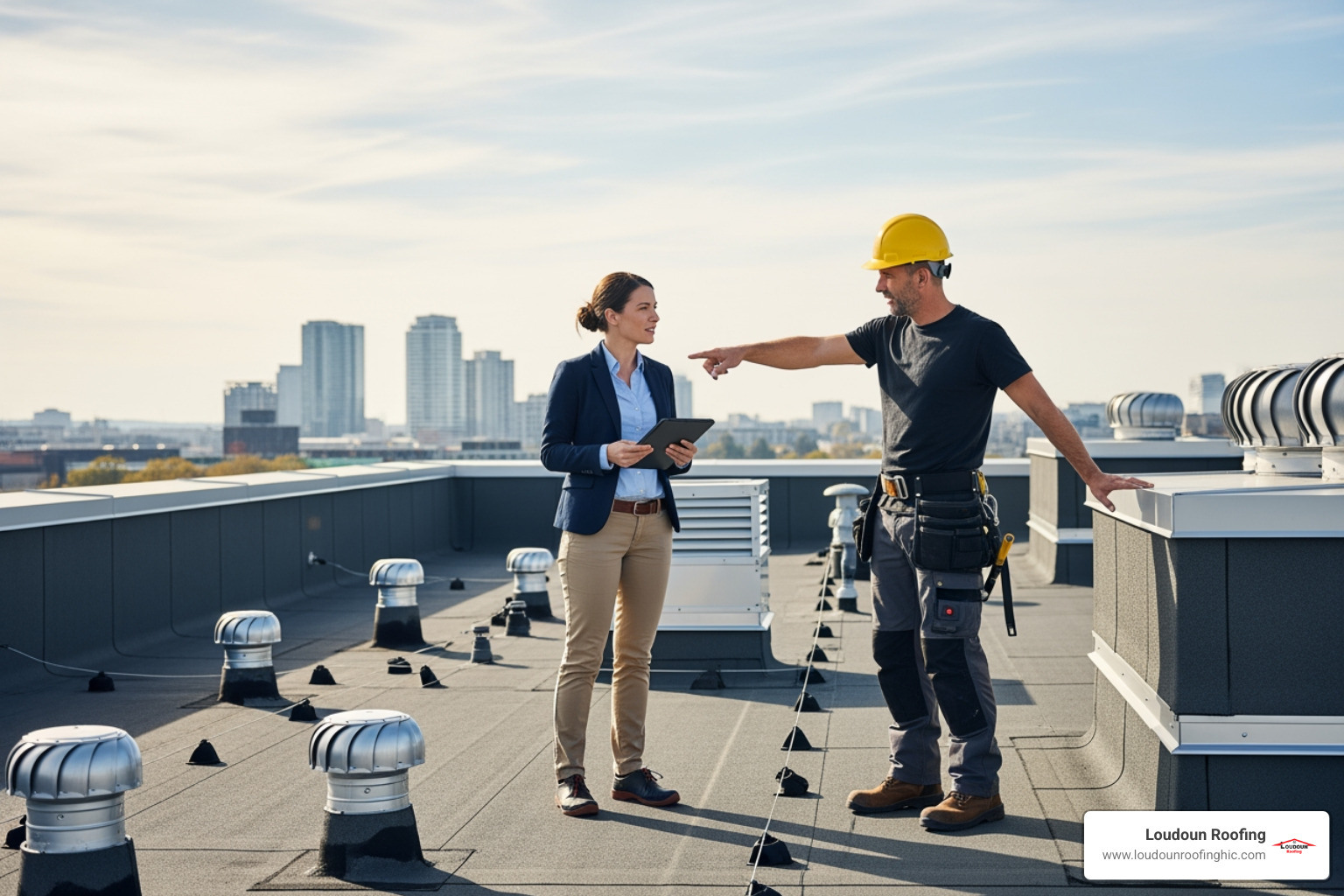
- “How many years have you specialized in commercial flat roofing?” Look for a proven track record of over a decade in Northern Virginia.
- “Can you provide proof of insurance and licensing?” A legitimate contractor will gladly provide these documents. If they hesitate, it’s a red flag.
- “What manufacturer certifications do you hold?” This confirms their training and ensures you qualify for the best available warranties.
- “How do you handle project safety and site cleanup?” A professional will have strict safety protocols and a clear plan for daily cleanup to minimize disruption.
- “What warranties do you offer on labor and materials?” Understand both the contractor’s workmanship warranty and the manufacturer’s material warranty. Get everything in writing.
- “Can you provide examples of local commercial roofer projects you’ve completed?” Reviewing past work and contacting references will give you insight into their quality and capabilities.
When you’re ready to discuss your project, contact Loudoun Roofing for a comprehensive consultation.
The Flat Roofing Process: From Installation to Repair
A professional flat roofing process follows a structured approach to ensure quality and durability. This meticulous methodology is what separates a general contractor from a specialized flat roofer.
New Roof Installation
A successful flat roof installation combines precision planning and expert execution.
- Consultation and Inspection: The process begins with an initial consultation to understand your needs and budget, followed by a detailed roof inspection to assess the structure, insulation, and drainage. We use Haag Certified inspectors to ensure a precise, dispute-free assessment.
- Material Selection: Based on the assessment, we present suitable options like TPO, EPDM, or PVC, explaining the pros and cons of each so you can make an informed decision.
- Substrate Preparation: This critical step involves cleaning and repairing the roof deck or installing a separation board to create a smooth, stable surface for the new membrane.
- Installation and Detailing: Our technicians expertly install the new system, heat-welding seams for a watertight bond and custom-fabricating flashing for all penetrations like HVAC units, pipes, and vents. This attention to detail is key to a long-lasting roof.
- Final Inspection: We conduct a rigorous final inspection to ensure every detail meets our high standards and manufacturer specifications before considering the job complete. Learn more on our flat roof installation page.
Repair and Maintenance
Proactive and precise maintenance extends your roof’s life and prevents costly damage.
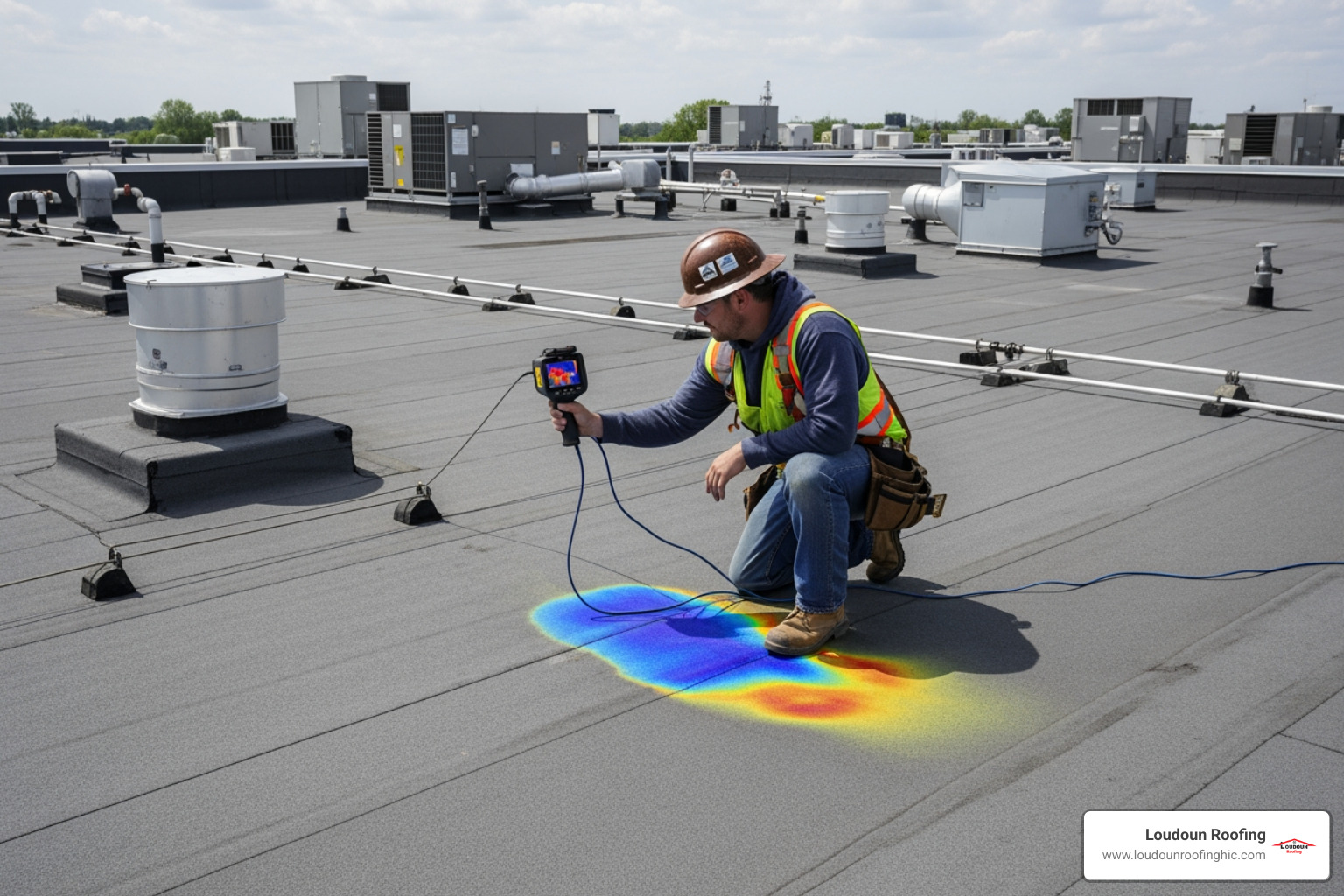
- Leak Detection: We use advanced thermal imaging to non-invasively pinpoint moisture intrusion, targeting the exact problem area without guesswork.
- Damage Assessment and Repair: After a thorough assessment, we perform expert patching and sealing using materials compatible with your specific roof type.
- Drainage System Clearing: Clogged drains are a primary cause of flat roof problems. Regular clearing prevents ponding water, which accelerates roof deterioration.
- Preventive Maintenance: Our preventive roofing maintenance program includes bi-annual inspections, debris removal, and minor repairs to stop problems before they escalate.
- Emergency Repairs: When disaster strikes, our emergency roof repair service provides a rapid response to minimize disruption and prevent further property loss.
The Long Game: Flat Roof Lifespan, Maintenance, and Costs
A flat roof is a long-term investment, and its lifespan is directly influenced by installation quality, material choice, and routine maintenance. Understanding these factors helps maximize your return on investment.
Typical Lifespan and Influencing Factors
The lifespan of a flat roof varies. A well-installed system can last for decades, but performance depends on several key factors.
| Material Type | Average Lifespan (with proper maintenance) |
|---|---|
| Built-Up Roofing | 30-50 years |
| Modified Bitumen | 15-20 years |
| EPDM | 25-35 years |
| TPO | 15-25 years |
| PVC | 20-30 years |
- Material Quality: Premium materials from respected manufacturers will consistently outlast cheaper alternatives.
- Installation Workmanship: The precision of the flat roofer is paramount. Proper seam sealing and flashing details ensure a roof reaches its full expected lifespan.
- Weather Conditions: Northern Virginia’s temperature swings cause expansion and contraction, testing a roof’s durability.
- Foot Traffic: Regular activity from maintenance crews can cause punctures and wear. Limiting access helps preserve the roof.
- Maintenance Frequency: Proactive care is the most controllable factor and can help a roof exceed its expected lifespan.
Maintenance for Longevity
Proper maintenance protects your investment. We recommend the following:
- Regular Inspections: Professional inspections twice a year (spring and fall) catch minor issues before they become emergencies. An inspection is also wise after any storm and hail damage.
- Debris Removal: Clearing leaves and branches prevents trapped moisture that can accelerate deterioration.
- Drain and Gutter Cleaning: This prevents standing water, the number one enemy of flat roofs.
- Seam and Flashing Checks: These vulnerable areas should be inspected regularly for signs of wear.
- Prompt Repairs: Addressing small issues immediately prevents them from escalating. A minor issue today could require prompt roof leak repairs, but if ignored, it could lead to a full roof tear-off and replacement.
Understanding the Costs
The cost of a flat roof project depends on size, materials, and complexity. The lowest bid isn’t always the best value; consider the total cost of ownership. A quality installation costs more upfront but delivers decades of reliable service, while a cut-rate job can lead to chronic repairs and premature replacement. Reflective roofs like TPO or PVC can also reduce cooling costs, offering long-term savings. For a detailed estimate custom to your specific needs, reach out to our team for a comprehensive consultation.
Frequently Asked Questions about Flat Roofers
What are the most common problems with flat roofs?
The most common problems with flat roofs are ponding water from improper drainage, membrane punctures from debris or foot traffic, seam failure where membrane sheets join, and flashing deterioration around vents and HVAC units. Proper installation by a specialized flat roofer and regular maintenance are the best ways to prevent these issues.
How often should a commercial flat roof be inspected?
A commercial flat roof should be professionally inspected at least twice a year, typically in the spring and fall. This allows a qualified flat roofer to identify and address any seasonal damage. An additional inspection is also recommended after any severe weather event, such as a hailstorm, to check for storm and hail damage before leaks can develop.
Can you install a new flat roof over an old one?
Yes, in some cases, a new flat roof can be installed over an old one. This process, known as a “retrofit” or “roof-over,” can save significant money by avoiding a full tear-off. However, it is only a viable option if the existing roof structure is sound and the underlying insulation is not saturated with water. A thorough inspection by an experienced flat roofer, often using thermal imaging, is required to determine if your property is a good candidate. When a retrofit isn’t possible, a full roof tear-off and replacement is the necessary long-term solution.
Conclusion
Hiring a specialized commercial flat roofer is a necessity for protecting your property. Their expertise in materials, drainage, and installation ensures your roof will perform for decades. By prioritizing quality over cost and asking the right questions, you can secure a partnership that delivers long-term value and peace of mind.
At Loudoun Roofing, we provide expert craftsmanship and durable solutions for commercial properties in Northern Virginia. We deliver results that stand the test of time, backed by industry-leading warranties. If you’re ready to protect your investment, contact us today to discuss your flat roof installation needs.