
Why Understanding Roof Repair in Northern Virginia Protects Your Home
Your home is your most significant investment, and roof repair northern virginia is a critical service for protecting it from the region’s demanding weather. From humid, 95°F summers to icy winters with freezing rain and snow, your roof is the first and most important line of defense. Choosing experienced Northern Virginia roofing professionals and understanding the essentials of the process ensures you make decisions that protect your property for years to come. When you notice a leak or storm damage, acting quickly is essential, but rushing into a decision without the right information can lead to costly mistakes, subpar work, and recurring problems. Taking the time to understand the process is the first step in protecting your home in Northern Virginia.
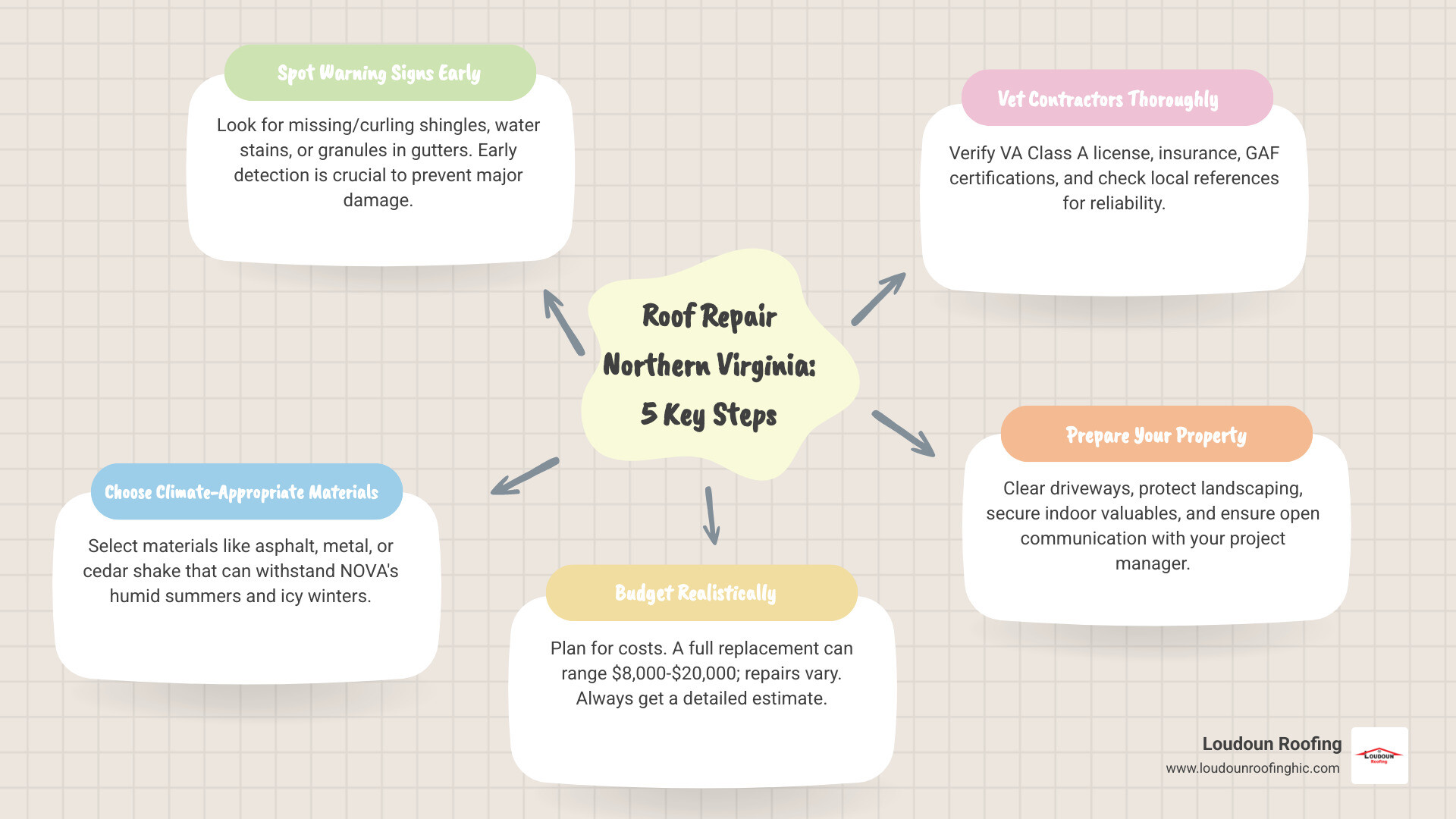
Quick Answer: What You Need to Know Before Roof Repair in Northern Virginia
- Recognize the warning signs early: Don’t ignore missing shingles, water stains on ceilings, curling shingle edges, or an unusual amount of granules in your gutters. These are definitive signals that your roof needs a professional inspection.
- Choose climate-appropriate materials: The best material for your home depends on your budget, desired lifespan, and aesthetic. Asphalt shingles, metal roofing, and cedar shakes each offer distinct advantages and disadvantages in NOVA’s four-season climate.
- Budget realistically for repairs and replacement: A full roof replacement in Northern Virginia can range from $8,000 to $20,000+, while targeted repairs cost significantly less. The final price depends on the roof’s size, the materials chosen, and the extent of the damage.
- Vet contractors thoroughly: Your most important decision is your choice of roofer. Always verify they hold a Virginia Class A license, carry full insurance, have GAF or other manufacturer certifications, and can provide local references and comprehensive warranties.
- Prepare your property for the project: Simple steps like clearing your driveway, protecting landscaping, securing valuables inside, and maintaining open communication with your contractor will ensure a smooth and efficient process.
Northern Virginia’s climate places unique and intense stress on roofing systems. The region experiences dramatic temperature swings, sometimes over 100°F between winter lows and summer highs, causing roofing materials to expand and contract constantly. This thermal shock, combined with frequent thunderstorms, high humidity that encourages algae growth, and the potential for winter ice dams, creates conditions that can rapidly accelerate the deterioration of even high-quality roofs.
I’m Esteban Marin, Owner and President of Loudoun Roofing & Home Improvement. Since 2001, I’ve dedicated my career to mastering the craft of roof repair northern virginia, working hands-on with everything from complex valley and skylight flashing to complete storm damage restoration across Loudoun County. My philosophy is simple: every project, whether it’s a minor repair or a full roof replacement, deserves the highest level of attention to detail and quality workmanship. This commitment has earned our team consistent praise from homeowners and established us as a trusted local partner for residents in Leesburg, VA, and beyond. We provide comprehensive residential and commercial roofing services backed by industry-leading warranties and a strict adherence to all building codes, ensuring your peace of mind.
Roof repair northern virginia terms you need:
For homeowners comparing regional climate demands, the National Weather Service climate data clearly shows how Northern Virginia’s temperature swings and precipitation patterns intensify roof wear compared to milder regions.
1. Spotting the Signs: When Does Your Northern Virginia Roof Need Repair?
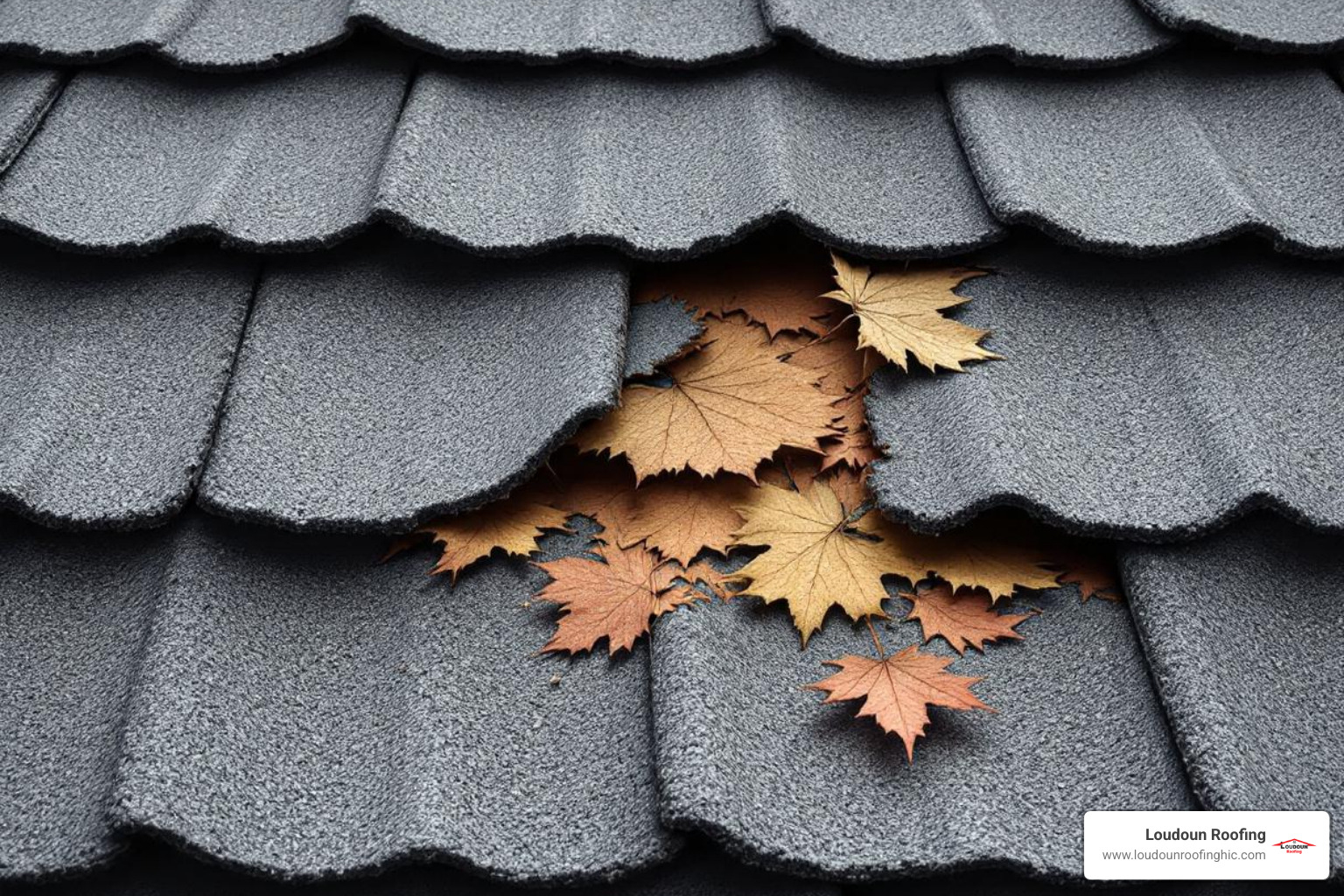
Your home’s roof is constantly exposed to the elements, and in Northern Virginia, that means enduring scorching summer sun, high humidity, freezing winter temperatures, heavy snow, and strong winds. This relentless cycle of expansion and contraction, coupled with severe weather events, significantly accelerates wear and tear. Recognizing the early warning signs that your roof needs attention is the most effective way to protect your home. A timely roof inspection is the definitive method for catching problems early, preventing small issues from escalating into expensive structural damage or a premature full replacement.
A roof’s age is a primary indicator of its condition; most asphalt shingle roofs are designed to last between 20 and 25 years. However, severe weather is the great accelerator. It is always a wise practice to visually inspect your roof after a major storm, regardless of its age. Homeowners should regularly look for these common warning signs, both from the ground and inside their attic. Ignoring these indicators can turn a simple, affordable repair into a major, costly crisis.
Common Roof Damage Indicators
- Water stains on ceilings: This is the most obvious sign of an active leak. The stain may appear far from the actual roof entry point, as water can travel along rafters and insulation. Unaddressed moisture leads to wood rot, structural decay, and hazardous mold growth.
- Missing or cracked shingles: High winds can lift and tear shingles completely off the roof, exposing the vulnerable underlayment. Cracks, often caused by hail impact or age-related thermal shock, create direct pathways for water intrusion.
- Curled or buckling shingles: Shingles that curl at the edges or buckle in the middle are a sign of advanced age and moisture absorption. This is often exacerbated by poor attic ventilation, which traps heat and moisture, essentially “cooking” the shingles from below.
- Granules in gutters: The sandpaper-like granules on asphalt shingles are their primary shield against UV radiation and fire. As a roof ages, it naturally sheds some granules, but finding excessive amounts in your gutters means the shingles are becoming brittle and losing their protective capability.
- Sagging roof deck: A visible sag, dip, or curve in your roofline is a serious structural concern. It often indicates that the underlying decking (plywood or OSB) is waterlogged and rotting, or that there is a problem with the rafters in your attic. This requires immediate professional attention.
- Damaged flashing around chimneys or vents: Flashing consists of metal or rubber seals installed around any roof penetration, such as chimneys, vents, and skylights. It is the most common source of roof leaks. If flashing is cracked, rusted, or pulled away, it creates an easy entry point for water.
- Storm damage from hail or wind: Hail leaves bruises or pockmarks on shingles that may not be visible from the ground but compromise their integrity. Strong winds can lift shingle edges, breaking the sealant bond and making them susceptible to being torn off in future storms.
- Higher energy bills: A sudden, unexplained increase in your heating or cooling costs can be a symptom of a failing roof system. Damaged roofing and inadequate attic insulation allow conditioned air to escape, forcing your HVAC system to work harder.
- Moss or algae growth: Dark streaks (algae) or green, fuzzy patches (moss) are common in Northern Virginia’s humid climate. While algae is mostly cosmetic, moss can trap significant moisture against the shingle surface, leading to faster deterioration and granule loss.
- More info on identifying leaks: Understanding the specific signs and causes of leaks is vital for effective roof repair northern virginia.
We strongly recommend a professional, honest roof inspection as the first step in diagnosing any issue. Our team provides evidence-based recommendations, complete with photos of any damage found, so you can make a fully informed decision about your home’s protection.
2. Choosing the Right Materials for the Northern Virginia Climate
The materials you choose for your roof directly impact its longevity, performance, and ability to withstand Northern Virginia’s challenging climate. With its hot, humid summers and cold, icy winters, NOVA demands roofing materials that can handle constant thermal expansion and contraction without cracking, warping, or failing prematurely. While asphalt shingle roofs remain the most common choice due to their excellent balance of cost and durability, other options offer unique benefits that might be better suited for your specific needs and aesthetic preferences.
When considering roof repair northern virginia, it’s not just about fixing the immediate problem, but about selecting materials that offer lasting protection and value. The right material can improve your home’s energy efficiency, increase its curb appeal, and provide decades of peace of mind. Independent testing summarized by the National Roofing Contractors Association shows that material selection and proper installation are the two biggest predictors of roof service life in four-season climates.
Popular Roofing Materials for roof repair northern virginia
| Material Type | Lifespan (Years) | Cost (Relative) | NOVA Climate Suitability |
|---|---|---|---|
| Asphalt Shingles | 20-30 | $$ | Excellent. Versatile, cost-effective, and designed to handle four-season weather. Architectural shingles (like GAF Timberline HDZ®) are best for wind and impact resistance. |
| Metal Roofing | 40-70+ | $$$$ | Superior. Highly durable against wind, hail, and ice. Reflects solar heat, improving energy efficiency in hot summers. Less prone to moss and algae growth. |
| Cedar Shake | 20-40 | $$$$ | Good. Offers a beautiful, natural aesthetic that is popular in many NOVA neighborhoods. Requires regular maintenance to prevent rot and moss in the region’s humid climate. |
| Synthetic Slate & Tile | 50+ | $$$$$ | Excellent. Mimics the high-end look of natural slate or tile at a lower weight and cost. Highly resistant to impact, wind, moisture, and fire. |
A Closer Look at Your Options
- Asphalt Shingles: The most popular roofing material in North America for a reason. Modern architectural shingles, such as those from leading brands like GAF and CertainTeed, are thick, durable, and come in a vast array of colors and styles. They offer excellent resistance to wind uplift and algae growth, making them a reliable and cost-effective choice for most Northern Virginia homes.
- Metal Roofing: Once reserved for commercial buildings, standing-seam energy efficient metal roofs are gaining popularity in residential applications. While the initial investment is higher, a metal roof can last two to three times longer than an asphalt roof. Its superior durability against hail and wind, combined with its ability to reflect solar radiation and lower cooling costs, makes it an outstanding long-term investment. Many metal roofing products are also ENERGY STAR® rated, signifying their high efficiency.
- Cedar Shake: For a timeless, rustic beauty, nothing compares to natural cedar. A cedar shake roof provides excellent insulation and durability. However, it requires a specialized installation and a commitment to maintenance. To maximize its lifespan in our humid climate, follow a proper cedar shake roof care plan to prevent moss, mildew, and rot.
- Synthetic Slate & Tile: If you love the look of classic slate or tile but are concerned about the weight and cost, synthetic materials are one of the most durable roofing solutions available. Made from advanced polymer or composite materials, these products are lightweight, incredibly strong, and virtually maintenance-free. They offer top-tier resistance to impact, fire, and wind, providing elite performance for decades.
For homeowners planning a full roof upgrade rather than a spot repair, exploring Loudoun Roofing’s comprehensive roof replacement services can help align material choice with long-term budgeting and energy-efficiency goals.