
Why Multi-Family Complex Roofing Requires Specialized Expertise
Multi-family complex roofing is a commercial-grade undertaking that differs fundamentally from residential projects. Property managers, HOA boards, and building owners face unique challenges that demand specialized knowledge, materials, and planning. As a leading roofing company in Northern Virginia, we understand that the roof protects not just the structure but also the residents and your long-term investment. A compromised roof can lead to water damage affecting multiple units, mold growth, and significant repair costs.
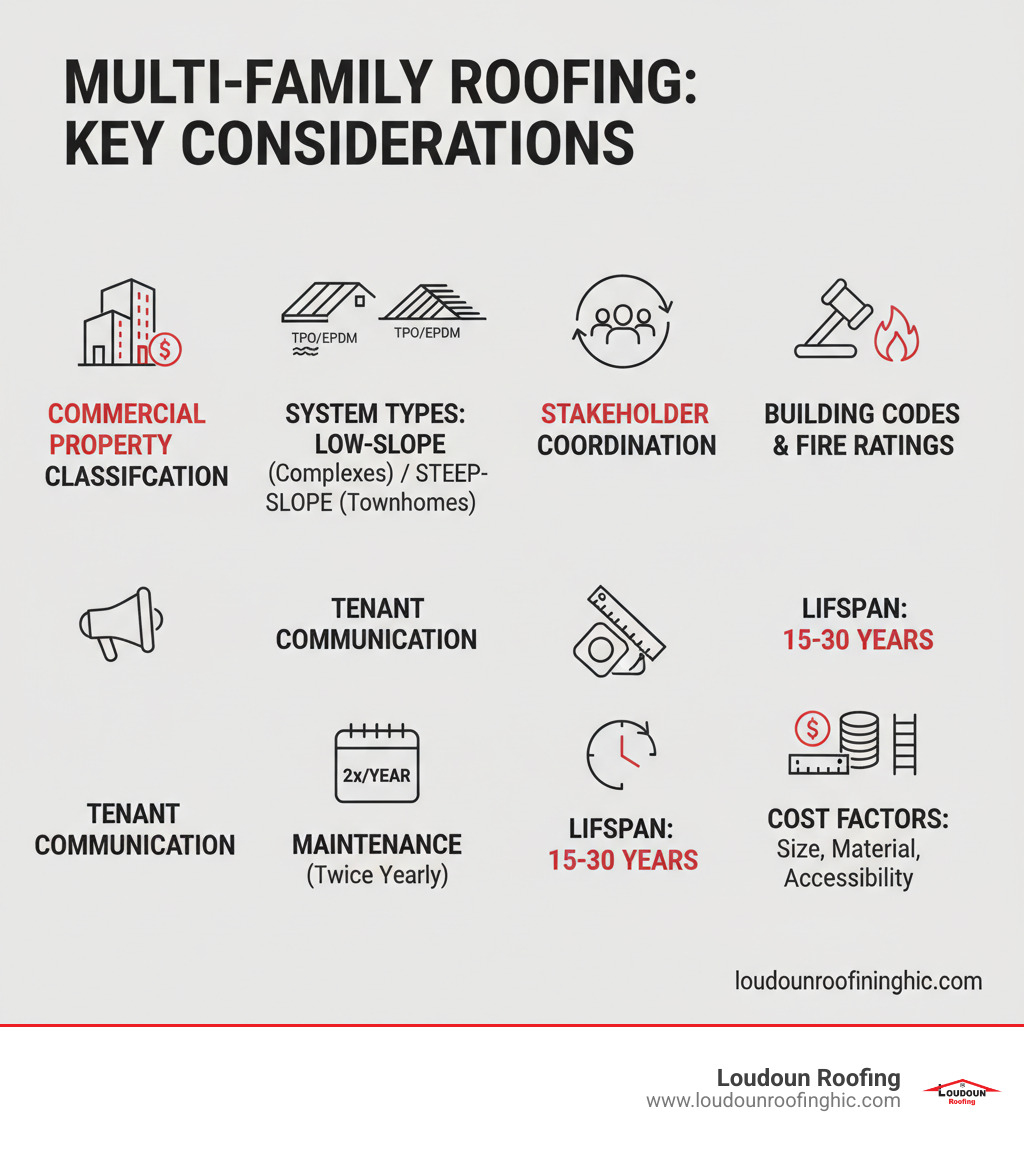
Key differences between multi-family and residential roofing:
- Scale and complexity: Multi-family roofs are larger, often covering multiple buildings with complex drainage systems.
- Classification: These properties are classified as commercial real estate due to their income-generating nature.
- Stricter regulations: Projects must meet commercial building codes, fire ratings, and energy standards.
- Multiple stakeholders: Coordination is required between property managers, HOAs, tenants, and contractors.
- Tenant impact: Work must minimize disruption to occupied units while maintaining safety.
- Commercial materials: Low-slope systems like TPO, EPDM, or modified bitumen are common, rather than standard residential shingles.
Most roofs last 15-30 years, making proper material selection and maintenance planning critical for your property’s financial health. Since 2001, our team at Loudoun Roofing & Home Improvement has specialized in complex roofing projects, including multi-family complexes across Northern Virginia. Our hands-on approach ensures every apartment building, condo association, and townhome community receives the commercial-grade expertise these large-scale projects demand.
Related content about multi-family complex roofing:
Why Multi-Family Roofing is a Commercial Endeavor
Multi-family complex roofing is not a scaled-up residential job; it is a distinct category of commercial roofing. This classification is due to the income-generating nature of these properties, which house multiple families and operate under different legal frameworks. Consequently, any roof repair or replacement falls under commercial roofing services, demanding specialized expertise and planning.
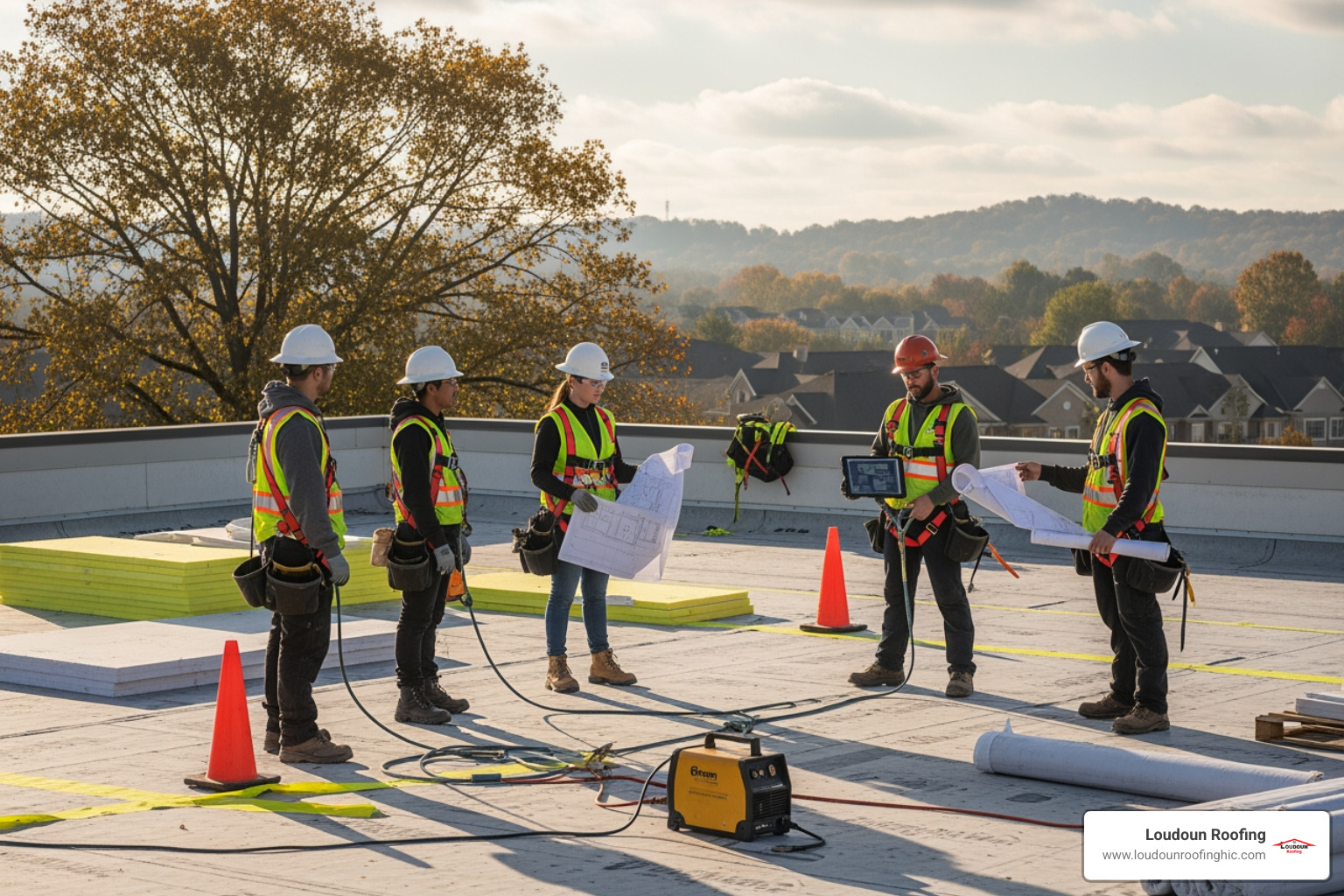
Several factors define multi-family roofing as a commercial endeavor:
- Project Scale: These projects involve roofs covering dozens or hundreds of units, often across multiple buildings. This requires commercial-grade logistics for materials and storage.
- Tenant Coordination: Unlike an empty warehouse, these properties are occupied homes. Work requires meticulous scheduling and clear communication to minimize disruption to residents’ daily lives.
- Stakeholder Landscape: Decision-making involves multiple parties, including property managers, HOA boards, owners, and investors, each with unique concerns and approval processes.
- Liability and Insurance: The increased number of residents and higher property value mean that commercial-grade insurance and strict safety protocols are essential to protect all parties.
The Impact of Building Codes, Zoning, and Insurance
Multi-family properties in Northern Virginia must adhere to commercial building codes, which are significantly more stringent than residential codes. These regulations are designed for higher occupancy structures and impact project timelines and budgets.
- Fire Ratings: Commercial roofs often require specific fire-resistant materials and assembly methods not needed for single-family homes.
- Load Requirements: The roof must support heavy equipment like multiple HVAC units and complex drainage systems, necessitating stricter load-bearing standards.
- Zoning Laws: Commercial zoning laws dictate factors like work hours, site access, and building height. Non-compliance can halt a project, which is why experience in navigating roofing permits and local codes is crucial for keeping projects on schedule.
- Insurance Policies: Commercial property insurance has specific requirements for roof condition and maintenance. A poorly maintained roof can lead to higher premiums or denied claims. Understanding how to manage roof insurance claims is vital to protecting your investment.
Managing Stakeholders and Minimizing Disruption
Effective project management in multi-family complex roofing requires strong people skills to minimize disruption to residents. Key strategies include:
- HOA Coordination: We provide detailed, transparent estimates to help HOA boards with long-term budget planning. Clear communication about timelines, costs, and processes ensures smooth project execution.
- Tenant Communication Plan: Before work begins, a plan is developed to inform residents about schedules, expected noise, access restrictions, and safety measures. An informed community is a cooperative one.
- Logistics Management: Careful planning for access, parking, and material storage is crucial to prevent friction. We designate zones and coordinate deliveries to maintain clear pathways for residents.
- Noise and Debris Control: While unavoidable, noise and debris are managed by working within agreed-upon hours, performing daily cleanups, and using containment systems.
- Flexible Scheduling: We use phased approaches, completing one building at a time and adjusting work hours as needed to respect residents’ routines and ensure efficient project completion.
Essential Roofing Systems and Materials for Multi-Family Properties
Your roof is far more than just overhead protection—it’s the cornerstone of your multi-family property’s structural integrity, energy performance, and visual appeal. The right roofing system safeguards your investment, improves curb appeal, and can dramatically reduce your operating expenses over time. If you’re looking for expert guidance on Northern Virginia roofing services for your property, understanding your material options is the first step.
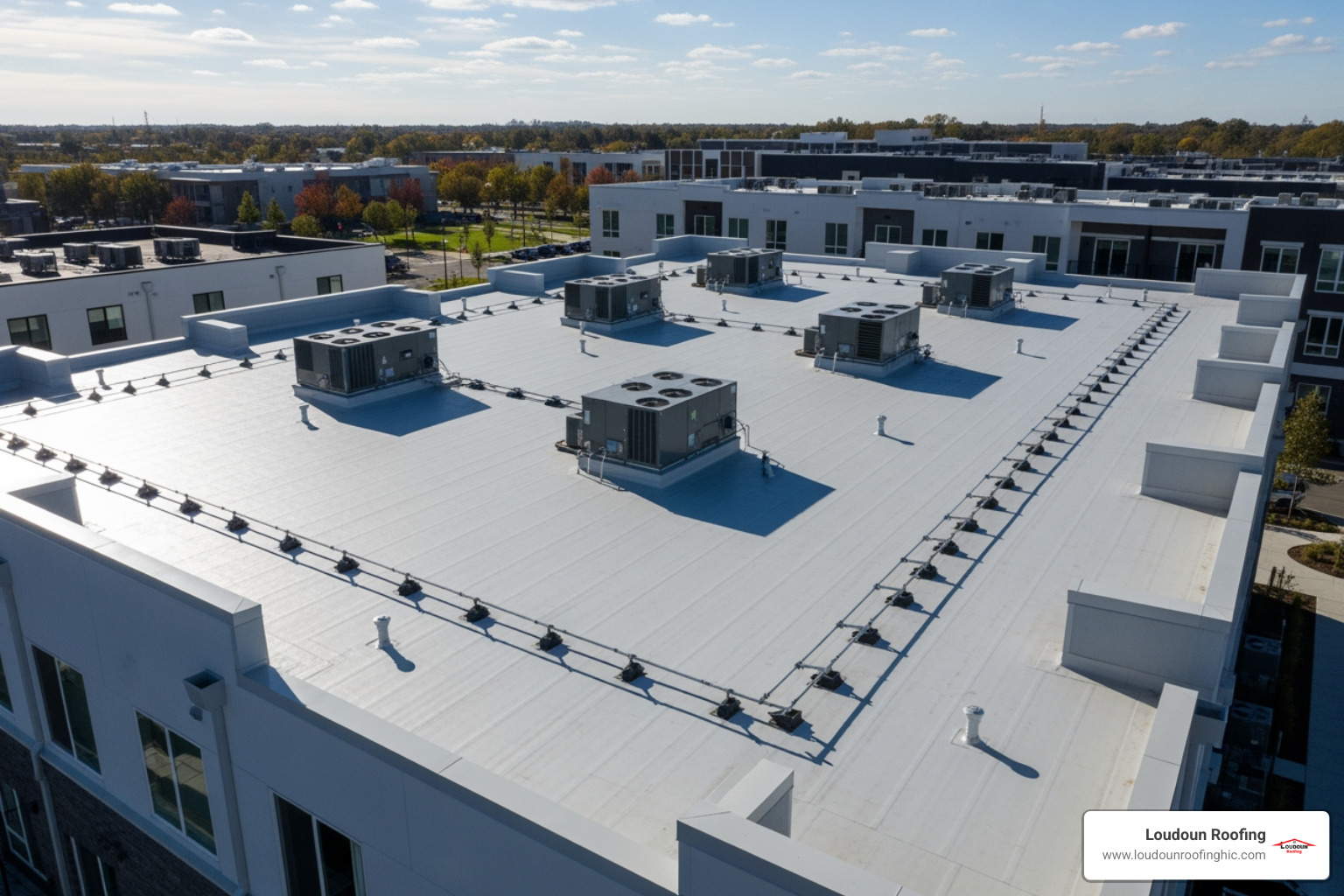
The choice of roofing system typically depends on your building’s architectural design. Most multi-family complexes feature either steep-slope (pitched) roofs—common in townhome communities and smaller buildings—or low-slope (flat) roofs, which you’ll find on larger apartment buildings throughout Northern Virginia.
Common Materials for Multi-Family Complex Roofing
Durability is essential for multi-family complex roofing. The materials must withstand constant exposure while protecting numerous residents. The most common options are:
| Material | Cost (Upfront) | Lifespan (Years) | Maintenance | Best Use Case |
|---|---|---|---|---|
| TPO | Medium | 15-30 | Low | Flat/low-slope roofs, energy efficiency |
| EPDM | Medium | 20-30 | Low | Flat/low-slope roofs, extreme weather resistance |
| Metal | High | 40-70+ | Very Low | Steep or low-slope, durability, aesthetics, energy |
| Asphalt Shingles | Low | 15-30 | Medium | Steep-slope roofs, budget-friendly, common for townhomes |
Low-slope systems are ideal for large apartment buildings. TPO (Thermoplastic Polyolefin) is popular for its energy efficiency and UV resistance, reflecting sunlight to keep buildings cooler. EPDM (Ethylene Propylene Diene Terpolymer) is a flexible synthetic rubber that withstands extreme weather. Modified bitumen offers excellent waterproofing with a multi-layered, asphalt-based system. Our team specializes in professional flat roof installation for all these membrane types.
Steep-slope systems are standard for townhomes and pitched roofs. Asphalt shingles are a cost-effective and versatile choice, available in many styles. Our asphalt shingle roofs services cover all options. Metal roofing is a premium investment with a 40-70+ year lifespan, superior fire resistance, and minimal maintenance. We provide custom metal roofing solutions for multi-family properties.
The Benefits of Energy-Efficient Roofing Solutions
An energy-efficient roof is a practical investment that lowers operating costs and improves tenant satisfaction. A cool roof can reduce surface temperatures by 50°F or more.
Cool roofs reflect more sunlight and absorb less heat. Reflective membranes like TPO (Thermoplastic Polyolefin) and PVC reduce heat transfer into the building, leading to several key benefits:
- Reduced HVAC Costs: Lower roof temperatures mean cooling systems work less, with property managers reporting energy savings of 10-30%.
- Improved Tenant Comfort: A cooler building leads to more comfortable living spaces and higher tenant retention.
- Tax Credits and Incentives: Federal, state, and local programs may offer financial incentives for energy-efficient upgrades, offsetting the initial investment.
Metal roofs with reflective coatings also offer outstanding thermal performance and durability. We install energy efficient metal roofs designed for multi-family applications, combining longevity with performance.
Choosing the Right Contractor for Your Multi-Family Complex Roofing Project
The decision to undertake a multi-family complex roofing project is significant, and selecting the right contractor is arguably the most critical step toward success. This isn’t a job for just any roofer—you need a true partner with proven experience in large-scale commercial work, someone who understands the unique dynamics of occupied multi-unit properties and brings an unwavering commitment to quality and communication.
Key Vetting Criteria for a Commercial Roofer
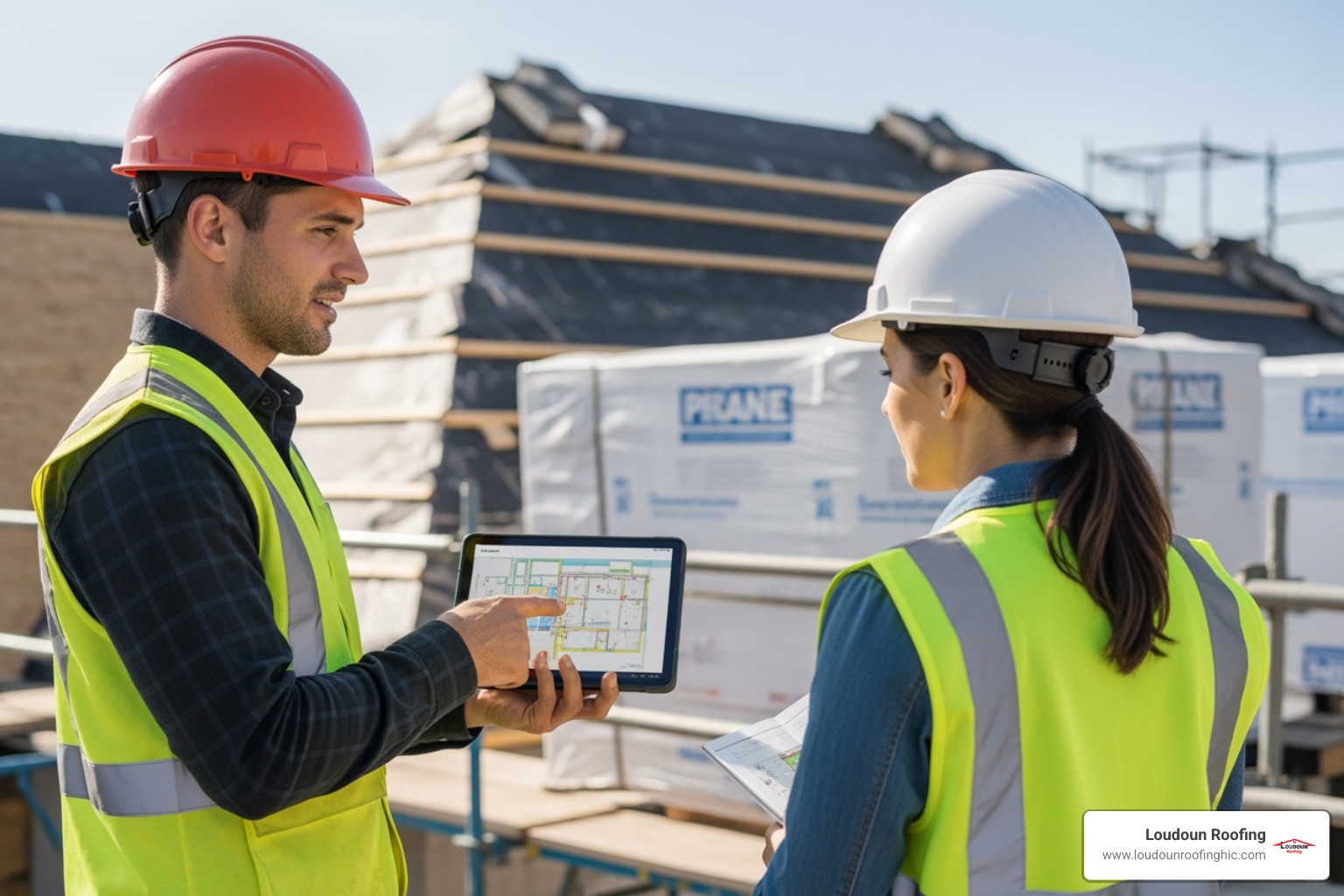
When you’re entrusting your property to a roofing contractor, thorough vetting isn’t just smart—it’s essential. The right team brings specialized expertise that makes all the difference.
Experience with multi-family properties is the foundation. A contractor who has successfully managed multi-family projects understands the logistics of working around tenants, coordinating with HOA boards, and adhering to stricter commercial codes. They know how to handle complex roof lines, manage large-scale material deliveries, and minimize disruption to residents’ daily lives. This isn’t something learned from residential jobs alone.
Proper licensing and insurance protects everyone involved. Verify that any contractor you consider holds all necessary licenses for commercial roofing in Northern Virginia and carries comprehensive liability and worker’s compensation insurance. This protects your property and significantly reduces your risk exposure. For a deeper dive into what to look for, our local commercial roofer guide provides valuable insights.
Strong references and a robust portfolio tell the real story. Ask for references specifically from other multi-family property managers or HOA boards—not just residential homeowners. A reputable contractor will be proud to showcase their past work and connect you with satisfied clients. You can view our project gallery to see examples of our commercial and multi-family projects throughout Northern Virginia.
Safety record and OSHA compliance should be non-negotiable. Safety is paramount on any job site, but especially on occupied properties where residents are going about their daily lives. Inquire about the contractor’s safety protocols, their OSHA compliance record, and how they train their teams. A strong safety culture protects both their workers and your residents.
Clear communication and detailed estimates separate professionals from the rest. The contractor should provide a transparent, itemized estimate that outlines all costs, materials, and realistic timelines. Beyond the initial proposal, they should commit to clear, ongoing communication throughout the project—providing regular updates to all stakeholders and being responsive when questions or concerns arise.
Understanding Warranties and Protection Plans
A roof represents a substantial long-term investment, and the warranties that come with it are your assurance of that investment’s protection. For multi-family properties, understanding warranty nuances becomes even more critical given the scale and value at stake.
Material warranties are provided by the manufacturer and cover defects in the roofing materials themselves. Depending on the product and manufacturer, material warranties typically range from 10 to 50 years. Premium materials often come with more extensive coverage.
Workmanship warranties are offered by the roofing contractor and cover the quality of the installation itself. These typically range from 5 to 10 years, though premium contractors with confidence in their craftsmanship offer longer terms. This warranty is crucial because even the highest-quality materials can fail if installed incorrectly.
Manufacturer-backed warranties represent a higher tier of protection. Some manufacturers offer extended warranties that cover both material defects and contractor workmanship, often contingent on using their complete roofing system and installation by a certified contractor. These integrated warranties provide greater peace of mind and streamlined claims processes.
NDL (No Dollar Limit) warranties are the gold standard in commercial roofing. An NDL warranty means the manufacturer will cover the cost of repairs or replacement for material and workmanship defects without a cap on the dollar amount for the specified warranty period. This level of protection is especially valuable for large multi-family properties where repair costs can escalate quickly.
The importance of comprehensive, long-term protection cannot be overstated. Quality warranties demonstrate both the manufacturer’s and contractor’s confidence in their products and services. We often partner with GAF for strong warranties to ensure our clients receive industry-leading protection backed by one of the most respected names in commercial roofing. When you’re managing a property that houses dozens or even hundreds of residents, this level of assurance isn’t just nice to have—it’s essential for protecting your investment and your peace of mind.
Long-Term Maintenance and Recognizing the Need for Replacement
Think of your multi-family roof as a hardworking employee—it shows up every day, rain or shine, protecting your property and everyone inside. But just like any valuable asset, it needs regular check-ins and occasional care to perform at its best. A new roof on a multi-family complex represents a significant investment, often lasting 15-30 years depending on the material and conditions. The key to reaching—or even exceeding—that lifespan? A proactive maintenance approach and knowing when to act on warning signs.
Catching small issues early is the difference between a quick, affordable fix and a crisis that affects multiple units, disrupts residents, and drains your budget. When you invest in durable roofing solutions from the start and pair them with consistent upkeep, you’re setting your property up for long-term success.
Essential Elements of a Roof Maintenance Plan
A strong maintenance plan for your multi-family complex roofing isn’t complicated, but it does require commitment. Think of it as preventative medicine for your building—far more cost-effective than emergency surgery.
Scheduled professional inspections form the foundation of any good plan. We recommend having your roof professionally examined at least twice yearly—spring and fall are ideal—and always after severe weather hits Northern Virginia. These inspections catch problems while they’re still small and manageable. You can easily schedule a roof inspection with our team, and we’ll provide a detailed assessment of your roof’s condition.
Between professional visits, debris removal shouldn’t be overlooked. Leaves, branches, and other materials accumulate surprisingly fast, especially in valleys and around roof penetrations. When debris sits on your roof, it traps moisture against the surface, accelerating wear and potentially leading to rot or membrane damage.
Gutter and drain cleaning is equally critical for multi-family properties. Clogged drainage systems prevent water from properly shedding off the roof, which can cause pooling, leaks, and even structural damage over time. Our roof and gutter repair services include thorough cleaning and maintenance to keep water flowing where it should.
When inspections reveal minor issues—loose flashing, cracked sealant, a few damaged shingles—prompt repairs are your best friend. Addressing these small problems immediately costs far less than waiting until they’ve become major leaks affecting multiple units. It’s the roofing equivalent of fixing a small crack in your windshield before it spreads across the entire glass.
For property managers and HOAs looking for a comprehensive solution, our roofing maintenance plans offer routine inspections and preventative care custom to multi-family properties. These programs provide peace of mind and often extend your roof’s lifespan significantly, saving money in the long run.
Signs Your Multi-Family Complex Roofing Needs Attention
Your roof will tell you when it needs help—you just need to know what to listen for. Being vigilant about these warning signs can save you from major headaches and unexpected expenses.
Water stains on ceilings or walls are the most obvious red flag. If you’re seeing discoloration, peeling paint, or water marks inside any units, water has already penetrated your roofing system. This requires immediate professional attention, as the visible damage is often just the tip of the iceberg.
For steep-slope sections of your property, missing or damaged shingles are clear indicators of trouble. Cracked, curled, blistering, or completely absent shingles leave your roof deck exposed to the elements. Even a few compromised shingles can lead to leaks during the next storm.
Sagging roof areas are serious business. If you notice any drooping or depression in your roofline, this often indicates structural damage or significant water intrusion. This isn’t something to put off—it needs immediate professional evaluation. Our guide, “Does your multi-family building need roof repair?,” offers detailed insights into identifying these issues.
On flat or low-slope sections, pooling water that remains for more than 48 hours after rainfall signals a problem. While these roofs have minimal slope by design, standing water indicates poor drainage or depressions in the membrane that can lead to premature failure.
Keep an eye on your utility bills too. Increased energy costs across your property can indicate a damaged or poorly insulated roof. When your roof isn’t performing efficiently, HVAC systems work overtime to compensate, driving up costs for both you and your residents.
Visible mold or algae growth—those green or black streaks on shaded areas—indicates moisture retention. While some algae are primarily cosmetic, extensive growth can degrade roofing materials over time and may signal underlying moisture problems.
After any significant weather event, especially hail or high winds common in our area, a professional assessment is crucial. Hidden damage can worsen rapidly if left unaddressed. Our team provides thorough storm and hail damage assessment to identify issues that aren’t always visible from the ground.
When these warning signs become frequent or severe, it’s time to have an honest conversation about whether ongoing roof repair makes financial sense or if a full roof replacement is the smarter long-term investment. Often, the cumulative cost of repeated repairs exceeds the investment in a new, more durable system—plus, you get the peace of mind that comes with a fresh warranty and decades of reliable protection ahead.
Frequently Asked Questions about Multi-Family Roofing
Property managers and HOA board members often have similar questions when it comes to managing their roofs. We’ve answered the most common ones here to help you make informed decisions about your multi-family complex roofing needs.
How often should a multi-family roof be inspected?
Your multi-family roof deserves professional eyes on it at least twice a year – ideally in the spring and fall. These seasonal checks help catch problems when they’re still small and manageable. Think of it like a regular health check-up, but for your building’s most important protective barrier.
Beyond these routine inspections, schedule an additional assessment after any severe weather event like a hailstorm or high winds. Northern Virginia weather can be unpredictable, and what looks fine from the ground might hide significant damage that will only worsen over time. Regular inspections, like those detailed in our guide on roof inspection frequency, help catch minor issues before they become costly emergencies that affect multiple units. This proactive approach extends the overall lifespan of your roof and protects your investment.
Who is responsible for roof repairs on a condo or townhome?
The answer to this question isn’t one-size-fits-all – it depends entirely on your HOA governing documents. In most multi-family communities, the HOA is responsible for the roof because it’s considered a common element that protects multiple units and the overall structure.
However, some HOA agreements have unique stipulations. Some bylaws might specify that individual unit owners are responsible for certain repairs, particularly in townhome communities where each unit has its own roof section. Others might have shared responsibility models where the HOA covers major replacements but unit owners handle minor maintenance.
The key is to review your specific bylaws carefully. Property managers and residents should know exactly what’s covered before an issue arises. This clarity prevents disputes and ensures that when your roof needs attention, everyone knows who’s writing the check and making the decisions.
How long does a multi-family roof replacement take?
The timeline for replacing a multi-family roof isn’t a simple answer – it varies significantly based on several factors. A smaller townhome cluster with just a few units might be completed in a few days, while a large apartment complex with multiple buildings, intricate rooflines, and dozens of units could take several weeks or even longer.
Several factors influence the timeline: the size of the project, the complexity of the roof design, the type of materials being installed, and of course, the weather. Low-slope commercial membranes often install faster than steep-slope shingle systems, but accessibility and tenant coordination can add time to any project.
An experienced commercial contractor will provide a detailed project schedule before work begins, outlining each phase and setting realistic expectations. They’ll also develop a communication plan to minimize tenant disruption and keep all stakeholders – from property managers to residents to HOA boards – informed throughout the process. This transparency is crucial for maintaining good relationships with tenants and ensuring the project proceeds smoothly. When you work with Loudoun Roofing for your multi-family project, we prioritize clear timelines and consistent communication every step of the way.
Your Partner for Expert Multi-Family Roofing in Northern Virginia
Protecting a multi-family complex requires a specialized approach that balances budget, durability, and tenant satisfaction. From understanding commercial building codes to selecting energy-efficient materials and implementing a long-term maintenance plan, every decision impacts your property’s value and safety. We know that managing a multi-family property is no small task, and the roof is one responsibility that should never be overlooked. By partnering with an experienced commercial roofer, you ensure your investment is secure for decades.
Loudoun Roofing has the expertise, the dedicated division, and the commitment to handle the unique challenges of large-scale multi-family complex roofing projects in communities like Leesburg and across Northern Virginia. We’re here to provide the commercial-grade solutions that protect your investment and give your tenants peace of mind. For a comprehensive assessment of your property’s needs, explore our dedicated multi-family roofing services. Contact us today for a free, no-obligation estimate.