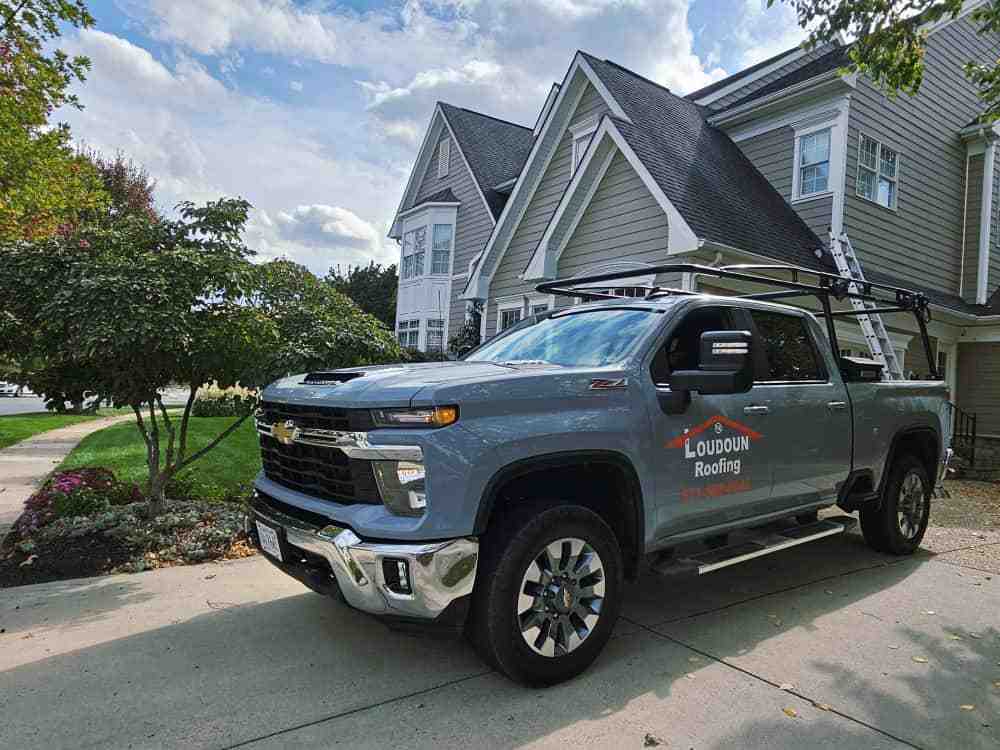

Why Immediate Action on Storm Damage Roof Repair Matters
When a storm hits McLean, VA, the integrity of your roof is the first line of defense for your home. High winds, hail, and heavy rain can cause immediate damage, making prompt storm damage roof repair essential. As your trusted local partner, Loudoun Roofing provides comprehensive residential roofing services to protect your home from escalating problems. Delaying repairs can turn a small issue into a major expense, with water infiltration leading to mold and structural damage.
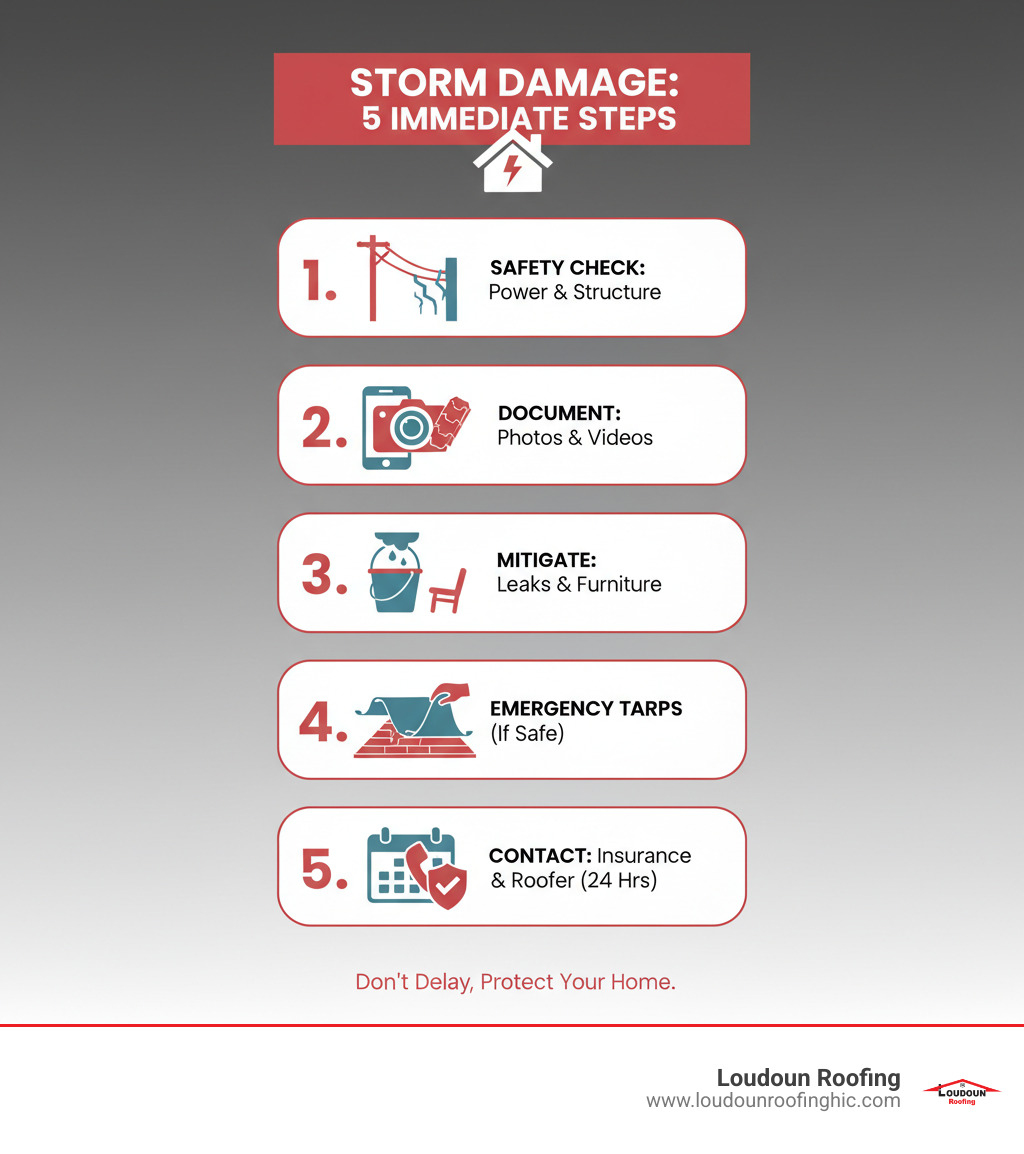
If you suspect storm damage, act quickly:
- Safety First: Check for downed power lines or structural instability.
- Document: Take photos and videos of all visible damage.
- Temporary Fix: Use tarps to cover active leaks if it’s safe.
- Call Your Insurer: Start the claims process immediately.
- Call a Professional: Get an expert emergency roof repair assessment within 24-48 hours.
I’m Esteban Marin, Owner and President of Loudoun Roofing & Home Improvement, and since 2001 I’ve helped hundreds of McLean homeowners steer storm damage roof repair—from emergency tarping to complete restoration, ensuring every repair meets the highest standards for long-term protection. My team and I understand the stress of finding roof damage and we’re committed to providing rapid, thorough service when you need it most.
Basic Storm damage roof repair vocab:
First Steps: What to Do Immediately After a Storm
The moments after a storm are critical. Your first priority is safety. Before inspecting any damage, check for downed power lines and stay clear. From a safe distance, look for any signs of structural damage to your home, like sagging. If you have any doubts, evacuate and call for help.
Once you’ve confirmed it’s safe to be on your property, it’s time to assess the damage—but keep your feet firmly on the ground. Use binoculars to get a closer look at your roof’s condition. Take initial photos and videos of everything you can see from ground level. These images will be invaluable for your insurance claim. Inside your home, check for active leaks. If water is dripping through your ceiling, place buckets under the drips immediately and move furniture away from wet areas to prevent further damage.
How to Temporarily Stop a Leaking Roof
A leak in your roof can feel like an emergency. There are temporary measures you can take to minimize damage before professional help arrives, but only if conditions are truly safe.
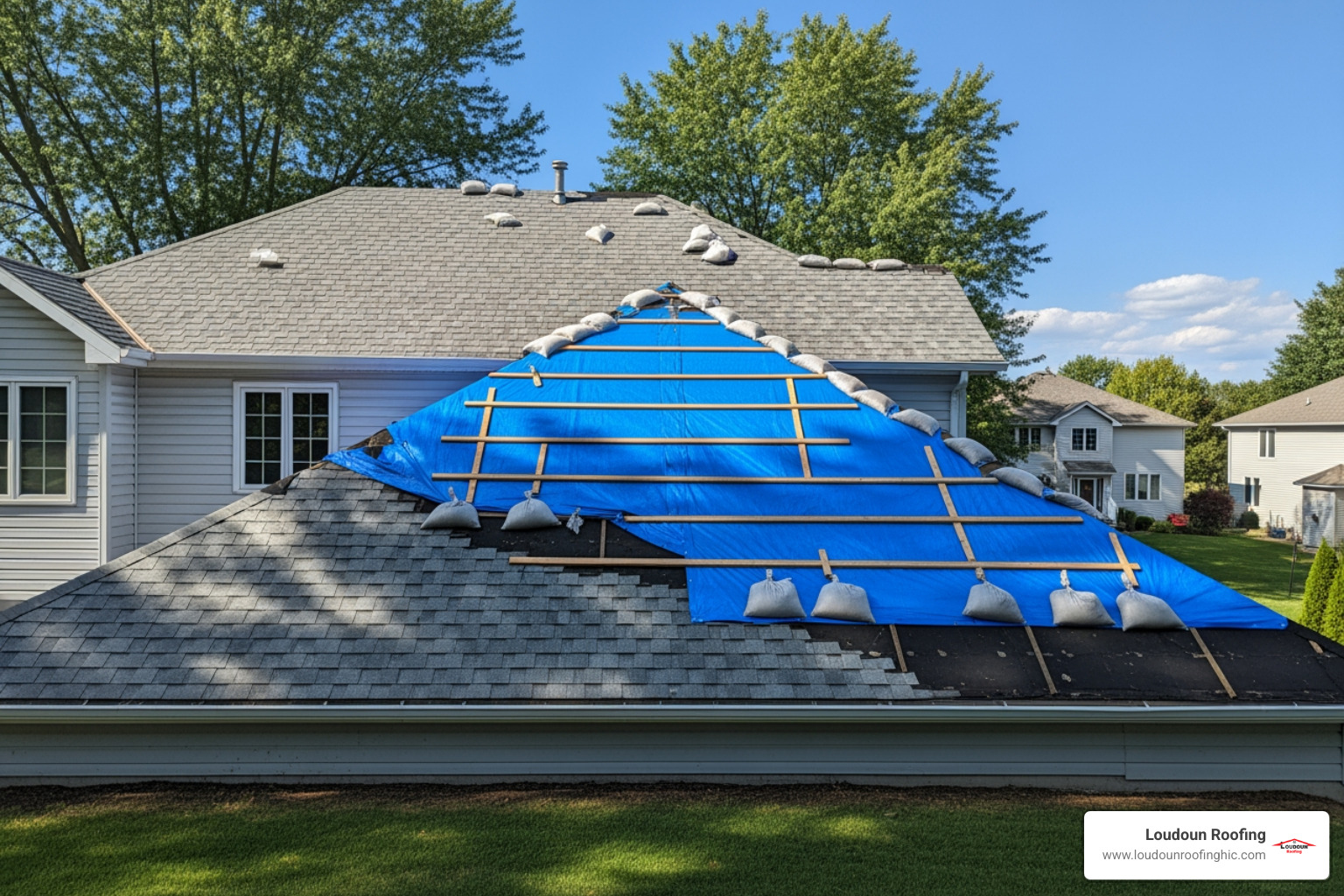
DIY tarping can work in the right circumstances. The storm must be completely over, the roof must be dry, and there can be no power lines nearby. If you’re uncomfortable on a ladder or the roof pitch is steep, don’t attempt this. Your safety is worth more than any temporary fix.
If you do decide to tarp, you’ll need a heavy-duty waterproof tarp that extends at least three feet beyond the damaged area on all sides. Secure one edge to a sturdy part of the roof using wood boards screwed down through the tarp. Pull the tarp tight and secure the remaining edges, weighing them down with sandbags or bricks. The goal is to direct water away from the damaged area and into your gutters.
These temporary fixes buy you time, but they’re not a permanent solution. The real fix requires professional emergency roof repair from our experienced team.
Documenting Damage for Insurance Claims
Your insurance claim lives or dies on the quality of your documentation. Comprehensive evidence is your best advocate when dealing with adjusters.
- Photo and Video Evidence: Take extensive photos and videos of all visible damage. Get wide shots for context and close-ups of specific issues like missing shingles, dents, or punctures. Don’t forget to document any interior damage, such as water stains on ceilings.
- Date and Time Stamp: Ensure your photos and videos are dated and timed to confirm the damage occurred during the specific storm event.
- Damage Inventory: Create a detailed written list of all damaged items, both on the roof and inside your home. Be specific.
- Keep Receipts: Save all receipts for temporary repairs, including tarps, wood, or other materials.
When our team conducts a professional storm damage assessment, we provide a detailed report that carries significant weight with insurance adjusters and helps ensure you receive fair compensation for your storm damage roof repair. For more guidance, check out our comprehensive guide to roof insurance claims.
Identifying Common Types of Storm Damage in McLean
McLean’s weather can be harsh, with high winds, hail, and heavy rain all posing a threat to your roof. Understanding the signs of damage is the first step toward a quick and effective repair.
- Wind Damage: Look for missing, curled, or creased shingles. Wind can also lift and loosen the flashing around chimneys and vents, creating entry points for water.
- Hail Damage: Hail leaves dents or “bruises” on asphalt shingles, knocking off the protective granules. On metal roofs, you’ll see visible dings. This damage compromises the shingle’s integrity and shortens its lifespan. Learn more about storm hail damage.
- Debris Impact: Fallen branches or other objects can cause obvious punctures or cracks, requiring immediate attention.
- Water Damage: Water stains on your ceiling are a clear sign of a leak. In our climate, water can freeze and expand in small cracks, turning minor issues into major ones.
For more insights, the Storm Damage Roofing Resources from GAF offer valuable information.
Signs of Damage on Different Roof Types and Materials
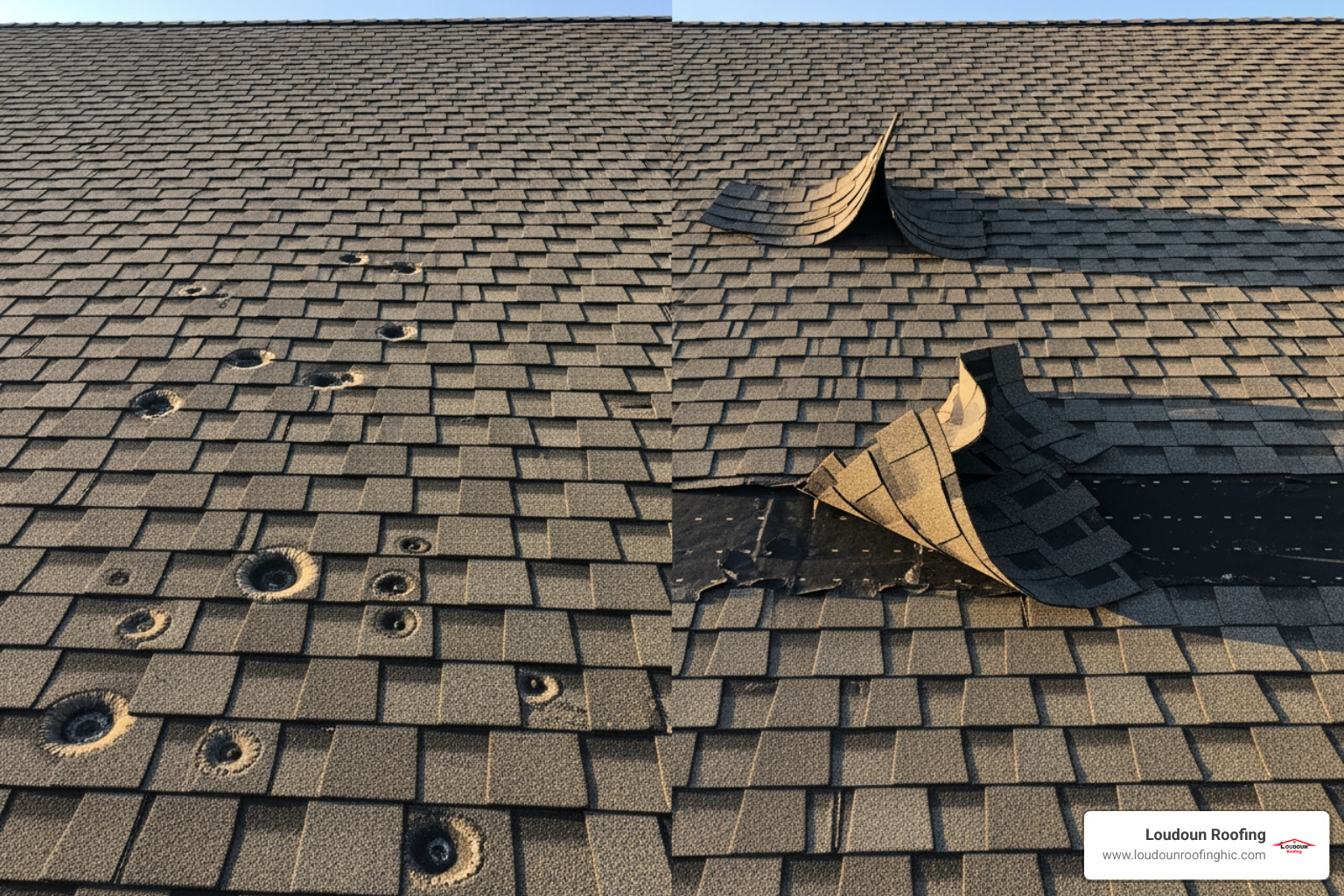
Every roofing material shows storm damage differently. Here’s what to look for:
- Asphalt Shingles: Check for missing shingles and an accumulation of black granules in your gutters. These are the most common roofing material in McLean, and you can learn more about them on our asphalt shingle roofs page.
- Metal Roofing: Look for dents, scratches, and any panels that appear lifted or loose.
- Tile Roofs: Inspect for cracked, chipped, or missing tiles.
- Flat Roofs: Watch for blisters, cracks, or areas of ponding water that don’t evaporate.
When to Get a Professional Storm Damage Assessment
While you can spot obvious issues from the ground, much storm damage is subtle and requires a trained eye. A professional storm damage assessment will identify all problems, both visible and hidden, ensuring your home is secure and your insurance claim is comprehensive. If you suspect any damage, call us at (703) 777-0077 for an expert evaluation.
The Critical Need for Professional Storm Damage Roof Repair
Ignoring roof damage, even if it seems minor, is a costly mistake. A small leak can quickly lead to widespread water damage, mold growth, and compromised structural integrity. Your home also becomes more vulnerable to future storms, and delaying repairs can even jeopardize your insurance claim. Prompt, professional storm damage roof repair is not just a fix—it’s an investment in your home’s safety and value.
What to Expect from an Emergency Roofer
When you call us for an emergency, we act fast.
- Rapid Response: We prioritize storm damage calls to secure your home quickly.
- Thorough Inspection: We assess all damage, not just the obvious, and provide a clear, no-obligation estimate.
- Temporary Protection: If needed, we’ll apply emergency tarping to prevent further water intrusion.
- Clear Communication: We explain the damage and your options, whether it’s a simple roof repair or a full roof replacement.
- Insurance Assistance: We provide the documentation needed to support your insurance claim.
- Professional Cleanup: We leave your property clean and free of debris.
The Cost of Emergency Storm Damage Roof Repair vs. Regular Maintenance
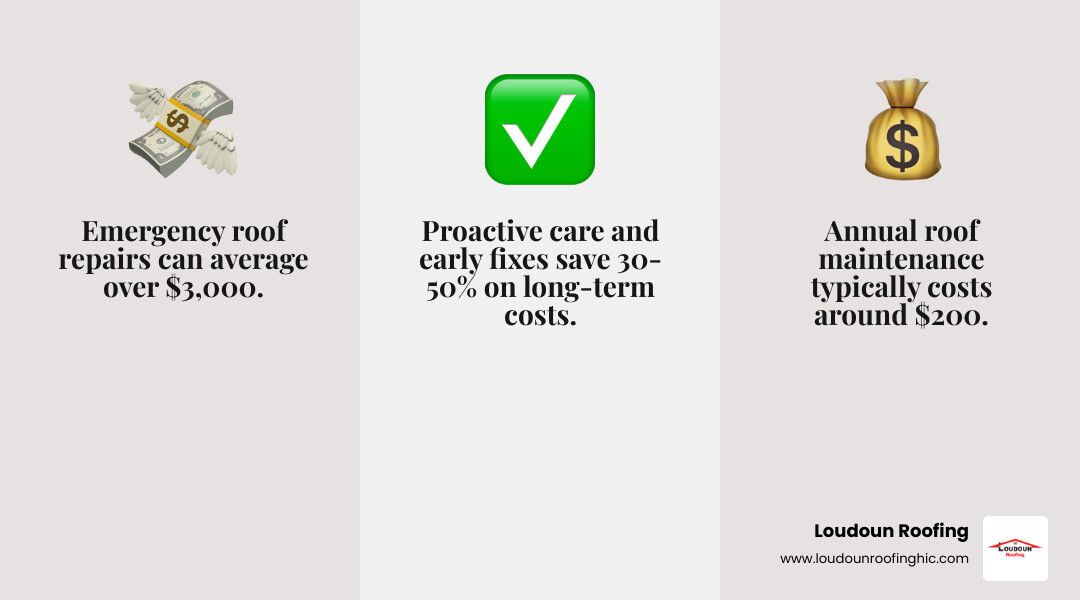
Let’s talk numbers, because when it comes to your roof, proactive care is always more budget-friendly than reactive emergency fixes.
| Type of Roof Service | Average Cost (Estimate) | Key Benefits |
|---|---|---|
| Annual Maintenance | $200 – $400 | Extends roof lifespan, catches minor issues early, prevents 90% of emergencies. |
| Emergency Repair Costs | $3,000+ | Stops active leaks and prevents immediate structural damage. |
| Premature Roof Replacement | $8,000 – $15,000+ | Often avoidable with timely repairs and regular roofing maintenance. |
Investing in regular maintenance can extend your roof’s life by years and save you from the high cost and stress of an unexpected roofing emergency.
Preventing Future Storm Damage with Proactive Roof Care
The best way to handle storm damage is to prevent it. Proactive roof care strengthens your home’s defenses against high winds, heavy rain, and hail. Regular maintenance not only extends the lifespan of your roof but also provides invaluable peace of mind when the next storm rolls through. By identifying and addressing minor issues before they become major problems, you can avoid costly emergency repairs and premature roof replacement.
Your Roof Maintenance Checklist
- Schedule Biannual Inspections: A professional roof inspection in the spring and fall is the best way to catch potential problems early.
- Clean Gutters and Downspouts: Clogged gutters can cause water to back up under your shingles, leading to rot and leaks.
- Trim Overhanging Branches: Remove any tree limbs that could fall on your roof during a storm.
- Check Flashing and Seals: Ensure the seals around chimneys, vents, and skylights are intact and free of cracks.
- Address Minor Issues Immediately: Don’t ignore small problems like a loose shingle or minor leak. A small roof repair now can prevent a major one later.
A consistent roofing maintenance plan is the most effective strategy for protecting your home from storm damage.
Frequently Asked Questions about Storm Damage Repair
How much roof damage requires a full replacement?
A full replacement is often recommended if more than 25-30% of the roof is damaged, if the roof is nearing the end of its expected lifespan, or if the cost of multiple repairs approaches the cost of a new roof. A professional assessment can determine the most cost-effective long-term solution.
Will my homeowners insurance cover storm damage?
Most homeowners insurance policies cover damage from “acts of God” like wind and hail. However, coverage may be denied if the damage is due to pre-existing issues or lack of maintenance. It’s crucial to file your claim promptly and provide thorough documentation. Our team can help you steer the roof insurance claims process.
How long does a storm damage roof repair take?
Temporary measures like tarping can be done in a few hours. Minor repairs may take a day, while a complete roof replacement typically takes 2-5 days, depending on the size of your roof and weather conditions.
Conclusion
Storm damage can be a stressful experience, but you don’t have to face it alone. Taking swift, decisive action is the key to protecting your home and minimizing repair costs. As your local roofer in McLean, VA, Loudoun Roofing is here to provide expert, reliable service when you need it most. Our certified team is ready to handle everything from emergency tarping to a full roof replacement, ensuring your home is safe and secure. Don’t wait for a small leak to become a major disaster. Contact us today for a comprehensive inspection and a free estimate.